
Before getting pregnant, I prepared my body in several important ways. I updated my daily supplements and focused on strength training to build and preserve lean muscle mass.
I expected my body to undergo major changes and knew that childbirth would be physically demanding, so preparing ahead felt essential. I prioritized strength-based exercise to support those changes and to improve my ability to cope with labor and postpartum recovery.
Why It’s Important to Maintain Lean Muscle Mass During Pregnancy
- Physical resilience: Feeling strong boosted my confidence and helped prevent common pregnancy aches like back pain and joint discomfort, while reducing the likelihood of injury.
- Stamina and endurance: Increasing and maintaining lean muscle mass can make the physical demands of labor less taxing by improving overall endurance and strength.
- Healthy weight management: Everyone’s pregnancy is different. I focused on nourishing my body rather than meeting a specific weight target. Building muscle increases metabolism, which supports healthy weight management and can help lower risks like hypertension and gestational diabetes.
- Recovery: Having stronger muscles before and during pregnancy supported a faster and more manageable postpartum recovery. Those early days with a newborn are intense; physical preparation helped me feel more capable and confident caring for myself and my baby.
How I Maintained Lean Muscle Mass During Pregnancy
My approach mirrored my pre-pregnancy routine: consistent strength training paired with deliberate protein intake.
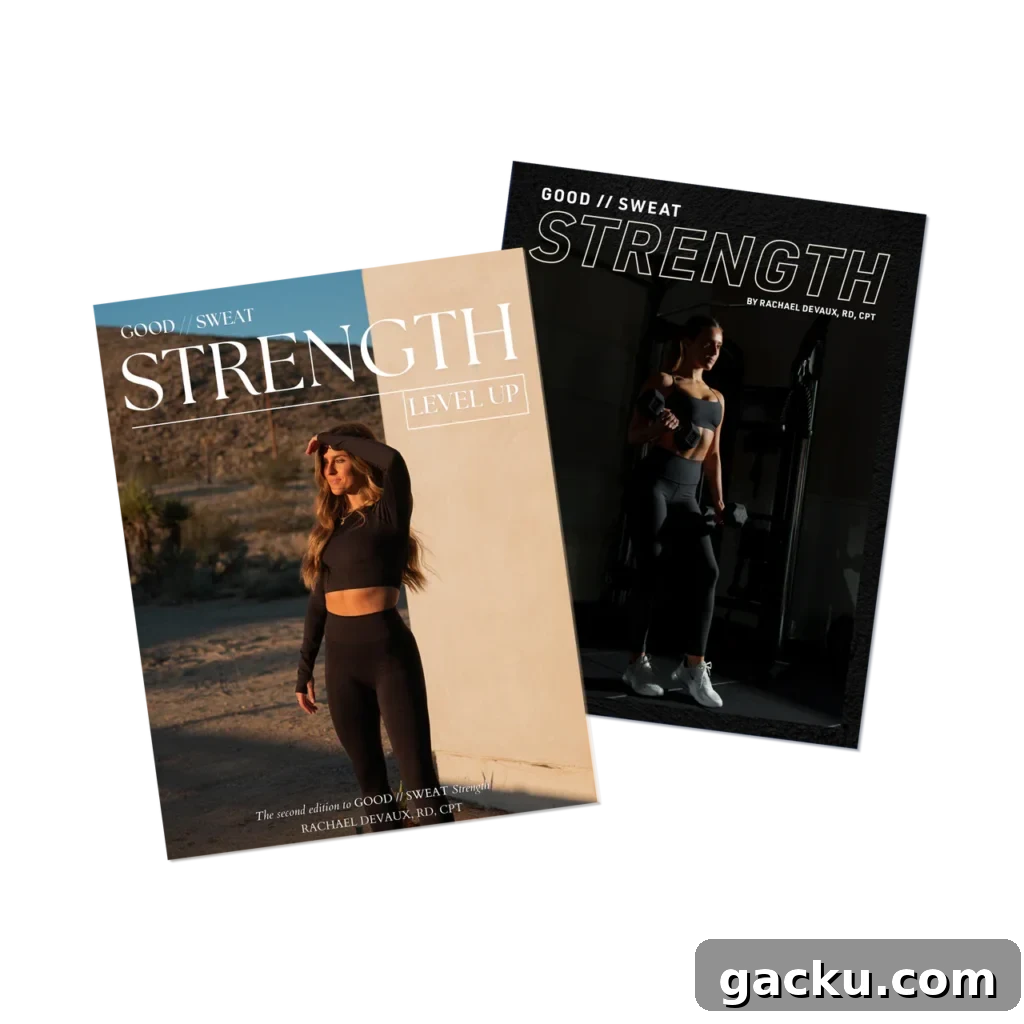
During pregnancy I followed the GOOD // SWEAT Strength Level Up program, adapting each workout as my body changed. The program emphasizes full-body strength with a rotating weekly split to continually challenge muscles. I focused on proper form, steady endurance, and avoiding exercises that left me overly breathless or sore. Consistency mattered most: I aimed to work every major muscle group each week and included breathing work and stretching to support comfort and mobility.
I was fortunate not to have significant food aversions beyond a brief early-pregnancy period when meat felt unappealing. Protein remained a priority because it’s essential for pregnant and postpartum women. I set a daily target of 100+ grams of protein and planned meals and snacks to help reach that goal, emphasizing nutrient-dense choices to support both my health and the baby’s development.
Looking for more pregnancy nutrition posts?
The 5 Main Food Groups I’m Prioritizing While Pregnant
The Postpartum Superfood I Love As An RD
3 Day High-Protein Meal Plan