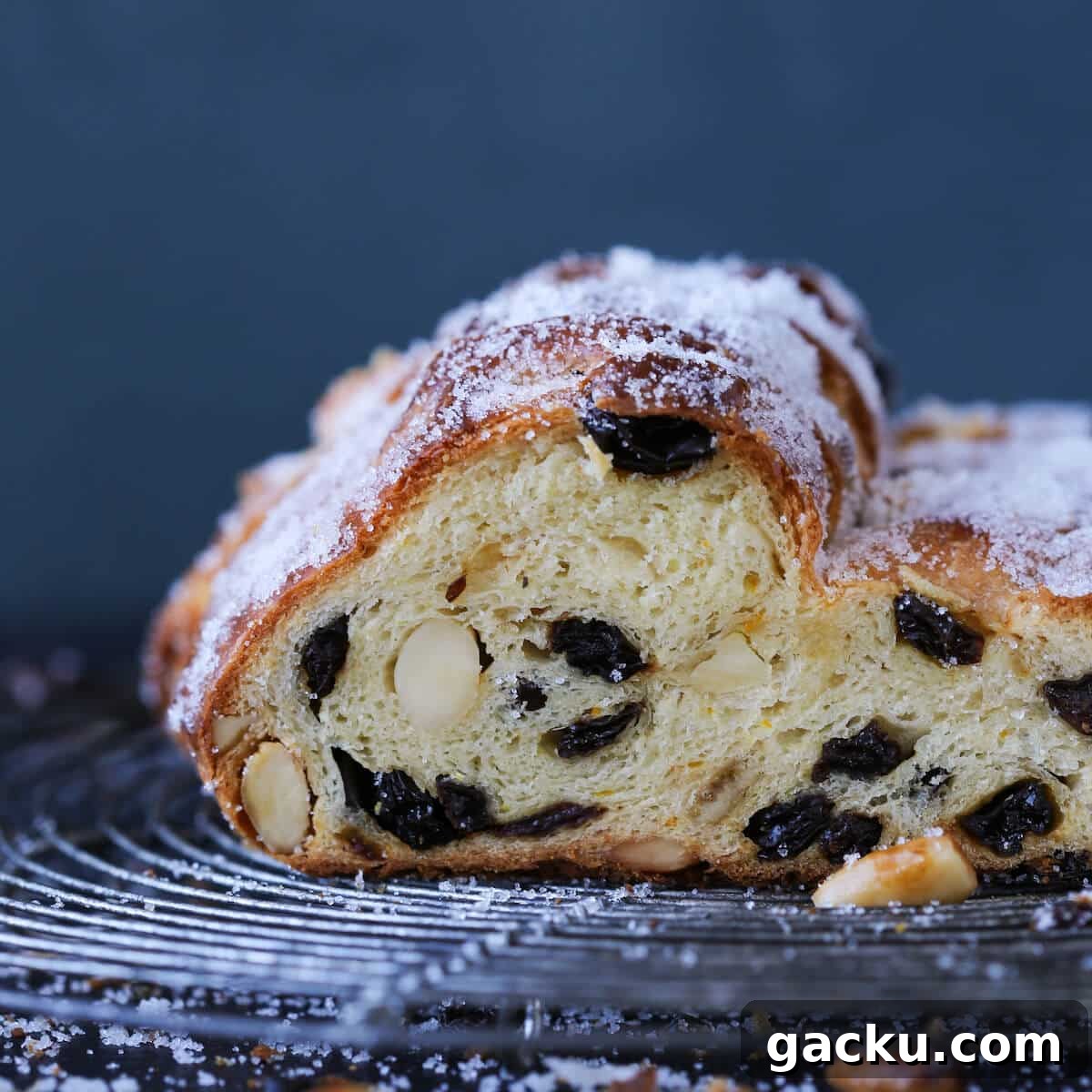
This is the best stollen recipe. A professional pastry chef walks you through making a traditional stollen loaf that stays moist and full of flavor. You can bake this recipe with or without a marzipan center.

A Quick Look At The Recipe
This is a brief summary of the recipe. Jump to the recipe to get the full details.
Jump to Recipe
Prep Time
40 minutes
Cook Time
40 minutes
Proof
1 hour 30 minutes
Total Time
2 hours 50 minutes
Servings
24 slices
Difficulty
Moderate (clear, easy steps)
Calories *
210 kcal per serving
Technique
Make a sponge, mix dough, fold in fruit and nuts, shape, proof and bake.
Flavor Profile
Rich and buttery with citrus, dried fruit and almond notes.
* Based on nutrition panel
Summarize & Save this content
google ai
perplexity
grok
I’ve always been nervous to try stollen, but this year I went for it. The dough was soft and rich — much easier than expected. The sugar coating gave it a beautiful finish, like a Christmas market loaf! ⭐⭐⭐⭐⭐
Lauren
What is Stollen?
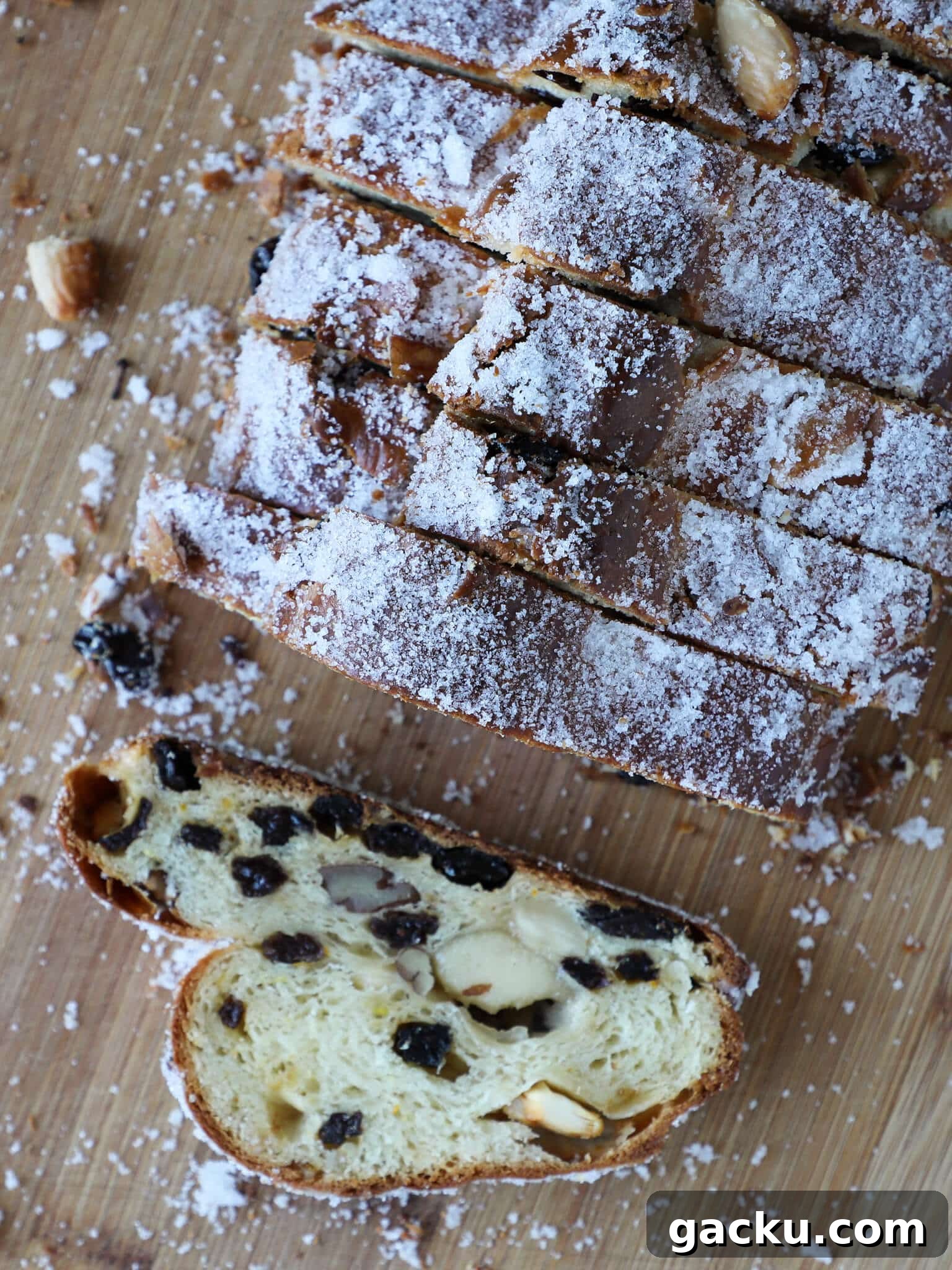
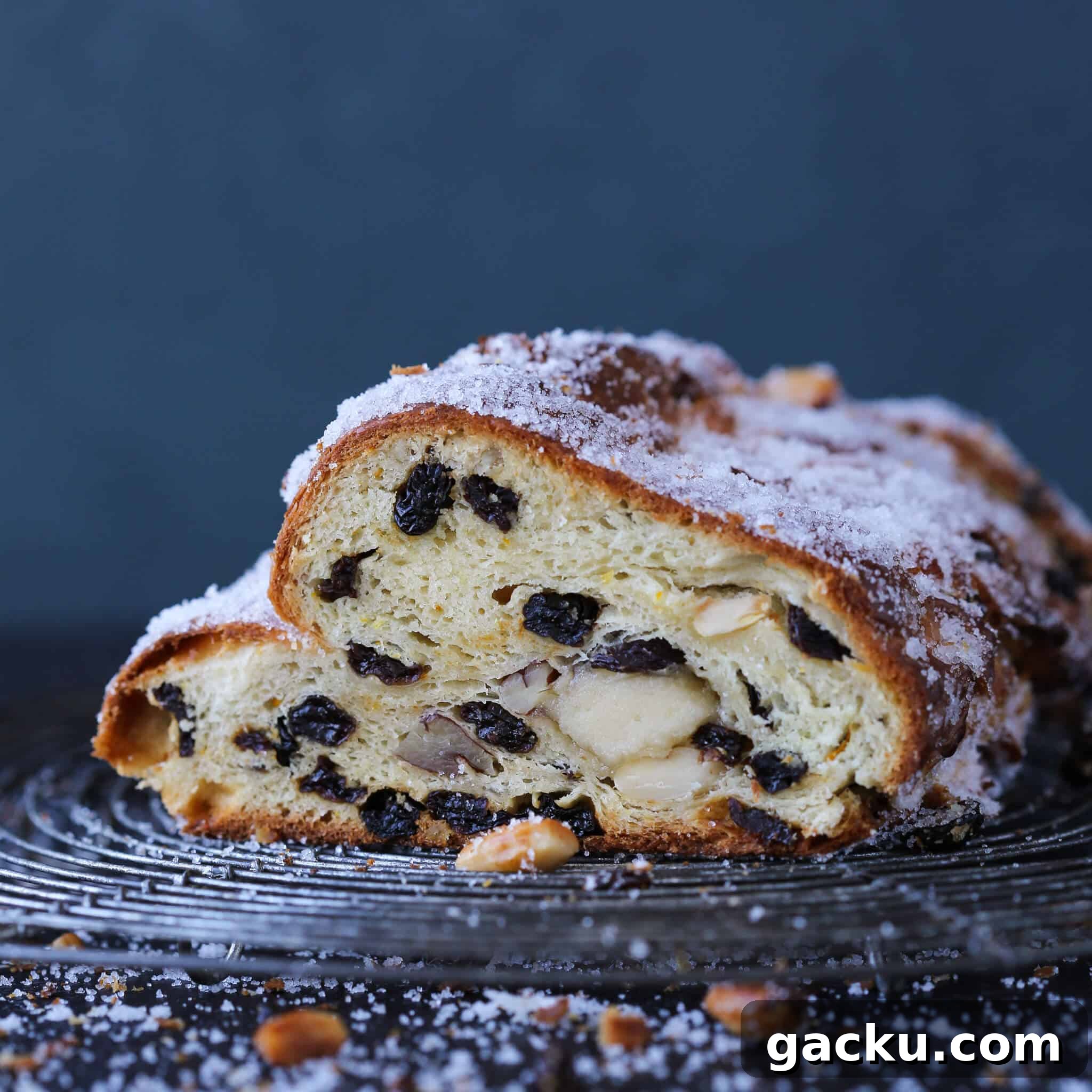
Stollen is an enriched, yeasted bread traditionally enjoyed at Christmastime in Germany. The dough is scented with lemon and orange zest and studded with nuts, raisins and candied citrus peel. After baking, loaves are brushed with melted butter and coated in sugar to help preserve moisture and add a festive finish. It’s also known as Christstollen or Weihnachtsstollen.
Table of Contents
- What is Stollen?
- Ingredients
- Variations
- Should stollen be eaten warm?
- Why use a sponge?
- How to Make Stollen
- Recipe FAQs
- The BEST Stollen Recipe
- Before You Go!
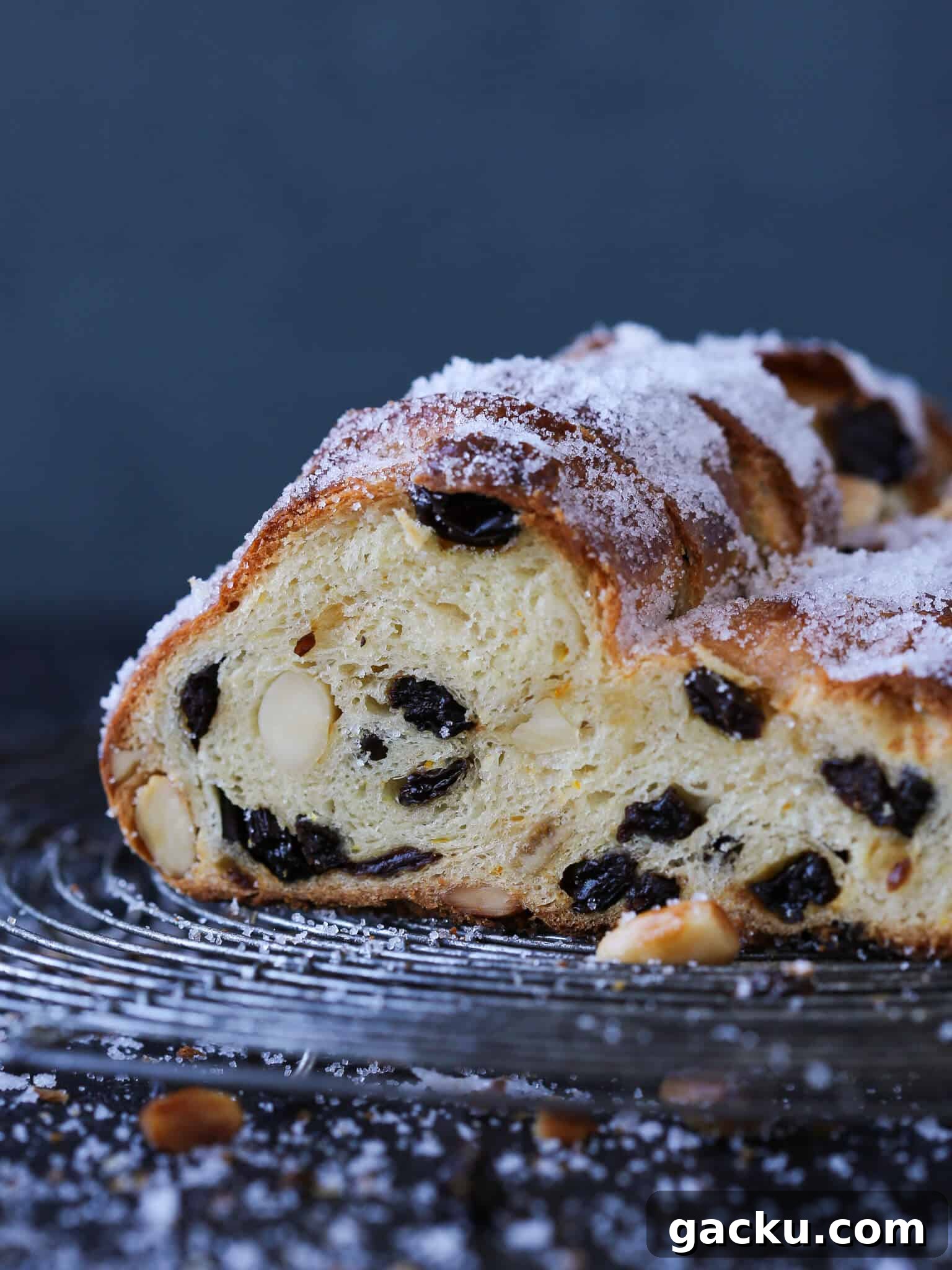
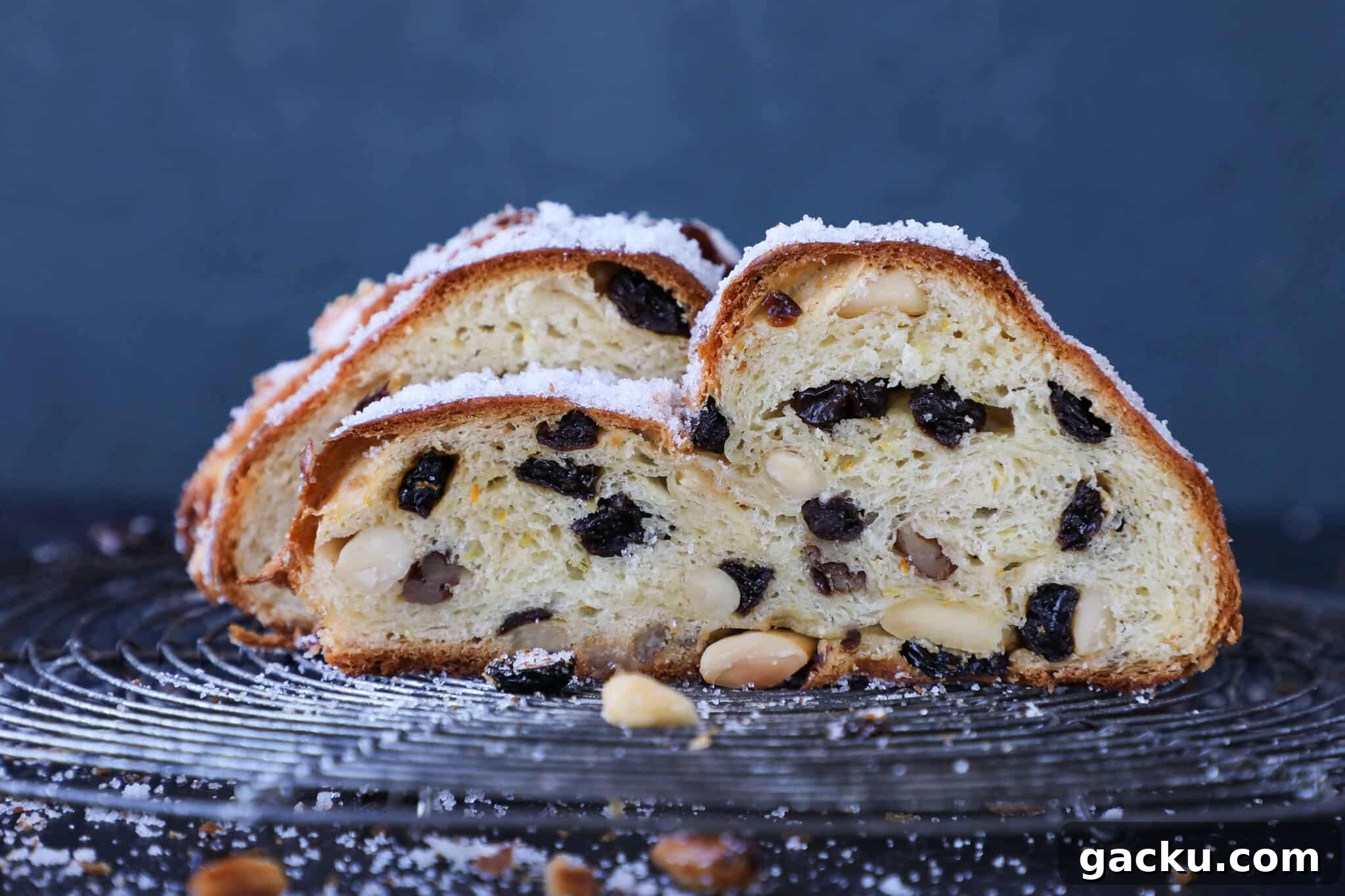
Stollen is my favorite holiday bread. As a child I’d hunt for it in stores; now as a pastry chef I’ll share tips to keep your loaves moist and flavorful. The dough is buttery and soft, brightened with citrus zest and loaded with almonds, pecans, walnuts, raisins and candied orange peel. Brushing the baked loaves with melted butter and coating them with sugar seals in moisture and flavor. This recipe can include a marzipan center or be made without it.
Ingredients
- Dry Active Yeast: Hydrate before use — dependable and controllable.
- Whole Milk: Adds flavor and fat for a tender, moist crumb.
- All-Purpose Flour: Offers the right gluten strength for a soft, structured loaf.
- Butter: Unsalted butter gives rich flavor while letting you control salt.
- Sugar: For taste, crust color and to feed the yeast.
- Lemon & Orange Zest: Use only the colored peel for bright, concentrated flavor.
- Kosher Salt: Adds flavor and affects dough hydration; measured by weight.
- Candied Orange Peel: Store-bought works, but homemade peel is even better when you have time.
- Raisins: Dark or golden raisins both work; mix if desired.
- Almonds, Pecans & Walnuts: Use fresh, untoasted nuts for traditional flavor; store in the freezer for longer freshness.
- Marzipan (optional): Adds sweetness and almond flavor; use almond paste if preferred but ensure it holds its shape when rolled.
Variations
- Nuts & Fruits: Swap in currants, dried cherries, or other dried fruit and nuts to suit your taste. Spices like cinnamon or nutmeg can add warmth.
- Mini Stollen: Make bite-sized stollen for gifts or parties by dividing dough into 35 g pieces and baking in mini muffin tins.
- Marzipan: Optional but delicious — a marzipan center adds sweetness and moisture.
Should stollen be eaten warm?
Enjoy stollen warm with butter and jam or at room temperature. Both are lovely.
Why use a sponge?
A sponge mixes part of the flour with yeast and liquids and is left to ferment. This jump-starts yeast activity and gluten formation, reducing kneading time and improving dough texture.
How to Make Stollen
Make the sponge
Step 1: Combine sponge ingredients in a small bowl, sprinkle with some of the final dough flour, cover and ferment 10–15 minutes. The sponge is ready when the top flour cracks.
Make the dough
Step 2: Up to a day ahead, combine sugar and citrus zests to draw out oils and deepen flavor.
Step 3: In a stand mixer with the paddle, combine sponge, butter, sugar, flour and zests. Mix on low for about 2 minutes until hydrated; add a tablespoon of milk if dry bits remain.
Step 4: Switch to the dough hook, add salt and mix on medium-low about 4 minutes. Look for a smooth, extensible dough (windowpane test).
Step 5: Place dough in an oiled bowl, cover and proof 10 minutes.
Step 6: Knead in raisins, candied peel and nuts. It’s fine if not fully incorporated; bulk proof 20 minutes in an oiled bowl.
Step 7: Flip dough, perform a gentle fold by pulling edges toward the center, tuck loose mix-ins inside and proof in a warm spot 20 minutes.
Step 8: Divide the dough into two equal pieces (about 530 g each).
Step 9: Preheat oven to 350°F.
Step 10: Pre-shape each piece into a smooth round, tighten by pulling the dough toward you while rotating. Rest 10 minutes.
Step 11: Roll each round into a rectangle about 1 inch thick and 10–12 inches long. Use a dowel or spoon handle to press two shallow channels lengthwise to divide the dough into thirds.
Step 12: If using marzipan, divide it and roll into two ropes slightly shorter than the dough. Place a marzipan rope in the channel nearest you.
Step 13: Lift the top edge into the marzipan channel and fold the dough to form three ridges, with the center ridge slightly higher. Transfer to a parchment-lined sheet.
Step 14: Proof 20–30 minutes until light and airy. Chill 10 minutes before baking if you want firmer shaping.
Step 15: Brush with egg wash and bake 30–40 minutes, or until an instant-read thermometer reads 185°F and a tester comes out clean.
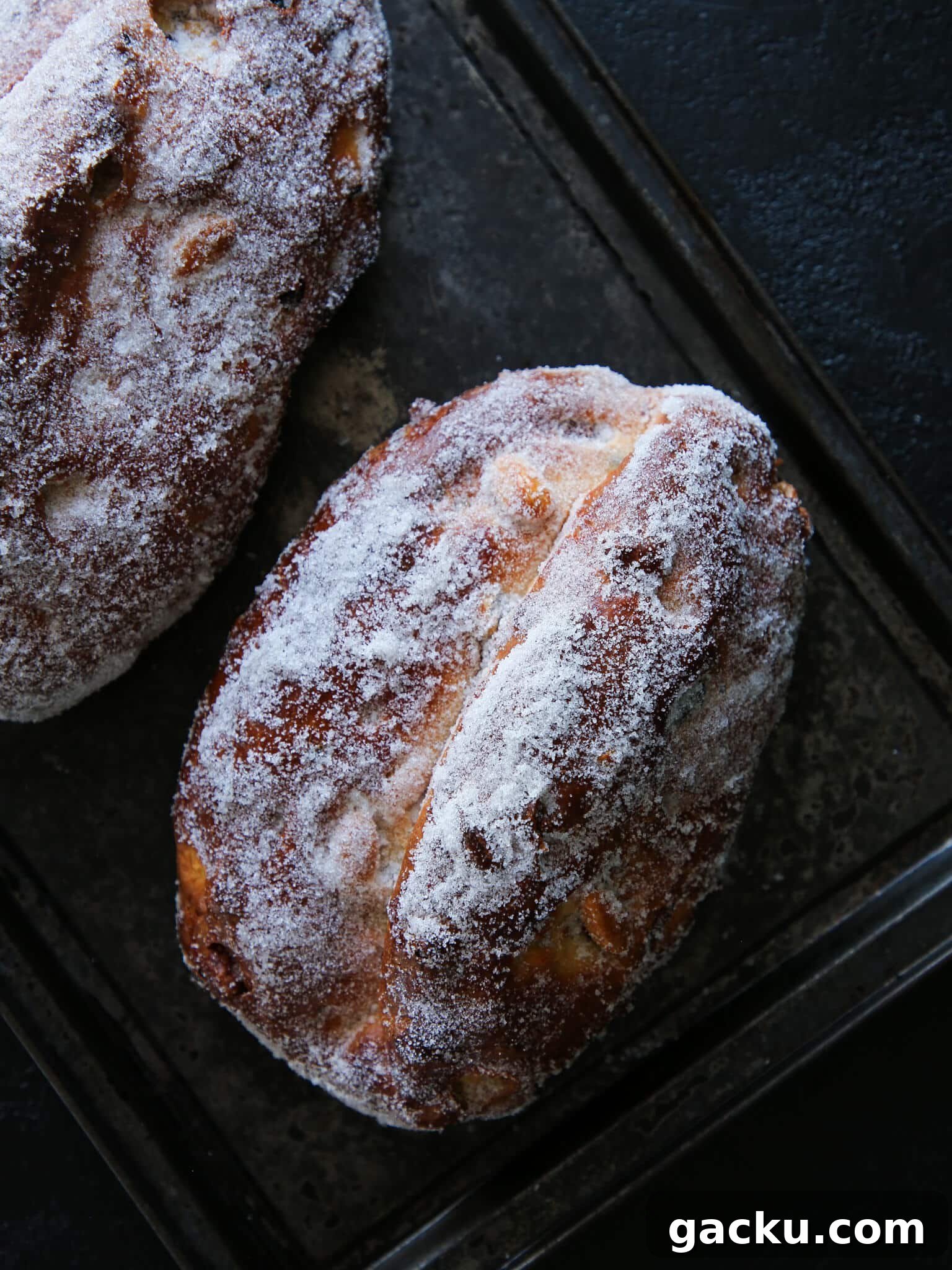
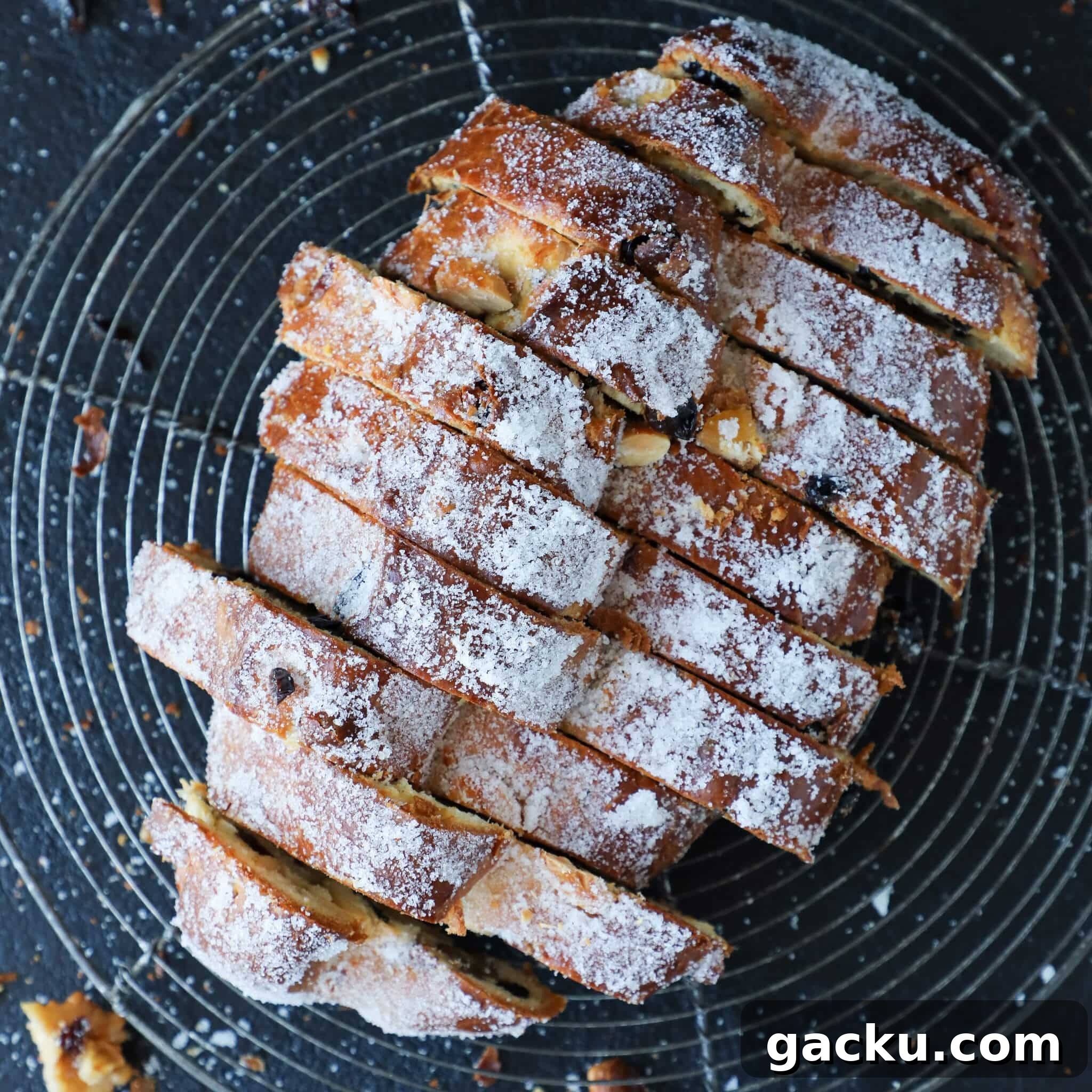
Step 16: Cool on the sheet pan 10 minutes. Remove any overly dark raisins, brush with melted butter and coat in granulated or a mix of granulated and powdered sugar.
Recipe FAQs
Properly wrapped, stollen keeps for up to a month at room temperature and about three months in the freezer. For best flavor and texture, enjoy within a few days.
Wrap tightly in plastic wrap. Store at room temperature or freeze. Avoid refrigeration, which can dry the bread.
Yes. Pre-slice and freeze portions for convenient serving, or freeze the whole loaf and thaw later.
Yes — it scales well in a commercial setting, but weigh ingredients when multiplying recipes because dough hydration is sensitive.
Stollen ships well. Wrap tightly in plastic and package in a tin or sturdy box for gifting.
Can you bake yeasted bread from frozen?
You can bake yeasted bread from frozen. Yeast remains partly active in the freezer, though activity slows. I don’t recommend freezing unbaked, shaped stollen for longer than a week.
Why add salt later?
Salt is hygroscopic and can draw moisture away during initial mixing. Delaying salt lets the flour hydrate fully and helps form a smooth dough, especially in an enriched formula with significant butter.
How do you serve stollen?
Serve plain or lightly warmed with butter and jam. Marzipan-filled stollen is delicious on its own. Leftover stollen also makes excellent French toast or bread pudding.
Recommended Bread Recipes
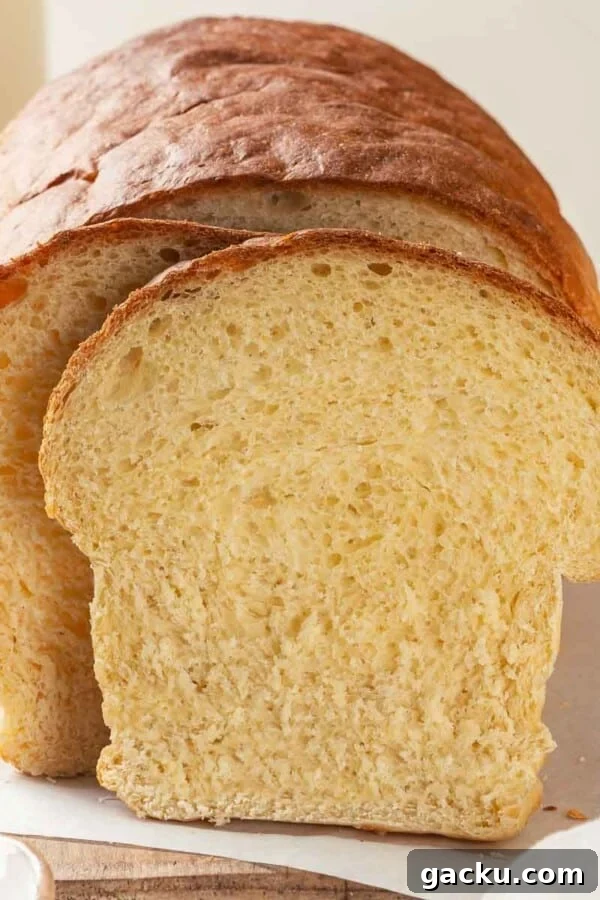
Homemade Bread Recipes
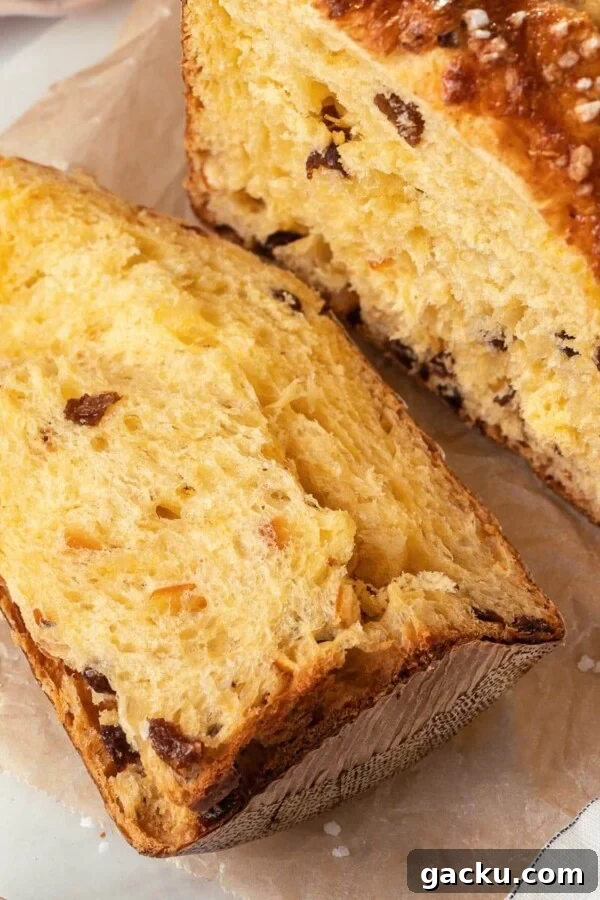
Panettone
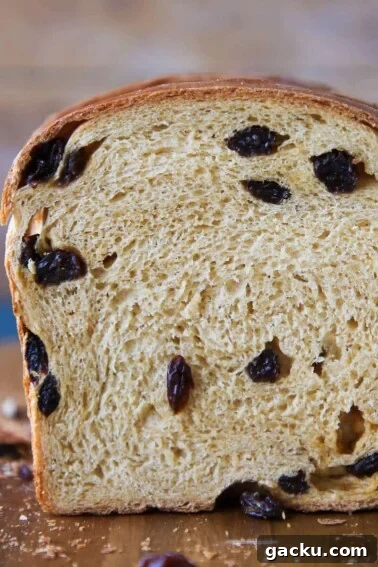
Homemade Bread Recipes
Potato Bread
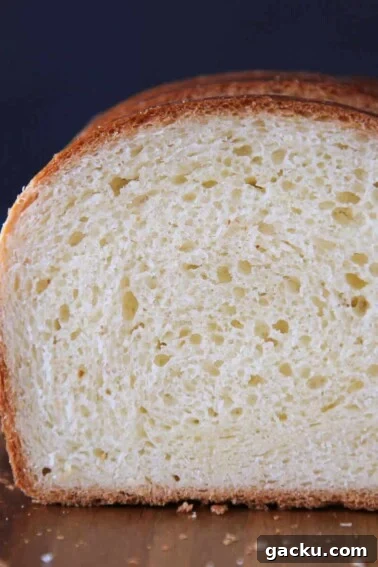
Yeasted Bread Recipes
Raisin Bread Recipe
Yeasted Bread Recipes
Brioche Bread Recipe
If you try this recipe and enjoy it, please leave a star rating and a comment — I love hearing how it turns out!

The BEST Stollen Recipe
Ingredients
Sponge:
- 25 g Dry Active Yeast
- 110 g Whole milk
- 110 g All-purpose flour
Final Dough:
- 270 g Sponge
- 150 g Unsalted butter, softened
- 45 g Granulated sugar
- 230 g All-purpose flour
- 1 tsp Lemon zest
- 1 tsp Orange zest
- 1 1/4 tsp Kosher salt
- 35 g Candied orange peel
- 225 g Raisins
- 50 g Whole blanched almonds
- 25 g Whole pecans
- 25 g Whole walnuts
- 7 oz Marzipan (optional)
- 1 Egg, beaten for egg wash
- Unsalted butter, melted (for brushing)
- Granulated or powdered sugar, as needed
Instructions
Sponge:
- Combine the sponge ingredients, sprinkle with some of the final dough flour, cover and ferment 10–15 minutes until cracked on top.
Dough:
- Combine sugar and zests up to a day ahead to enhance citrus flavor.
- In a stand mixer with the paddle, mix sponge, butter, sugar, flour and zests on low 2 minutes until hydrated. Add 1 tbsp milk if needed.
- Switch to the dough hook, add salt and mix on medium-low about 4 minutes until dough is smooth and passes the windowpane test.
- Place dough in an oiled bowl, cover and proof 10 minutes.
- Knead in raisins, candied peel and nuts, then bulk proof 20 minutes.
- Fold the dough in the bowl, tucking loose mix-ins inside, and proof in a warm place 20 minutes.
- Divide into two pieces (about 530 g each).
- Preheat oven to 350°F.
- Pre-shape into rounds, tighten, and rest 10 minutes.
- Roll each round into a 1-inch-thick rectangle about 10–12 inches long and press two lengthwise channels.
- If using marzipan, roll into ropes and place in the channel nearest you.
- Fold and shape to create three ridges with the center higher; place on parchment.
- Proof 20–30 minutes; chill 10 minutes if desired to set shape.
- Brush with egg wash and bake 30–40 minutes until 185°F or tester comes out clean.
- Cool 10 minutes, remove any dark raisins, brush with melted butter and coat in granulated or powdered sugar.
Notes
Storage: Wrap tightly in plastic and keep at room temperature up to a month, or freeze for longer freshness.
Technique: Develop the gluten fully, then fold in fruit and nuts gently to keep an airy crumb.
Variation: Add marzipan for a richer center or swap dried cherries and pistachios for a festive twist.
Nutrition
Carbohydrates: 27 g |
Protein: 4 g |
Fat: 10 g
Before You Go!
Try more chef-developed bread recipes for the holidays and beyond.