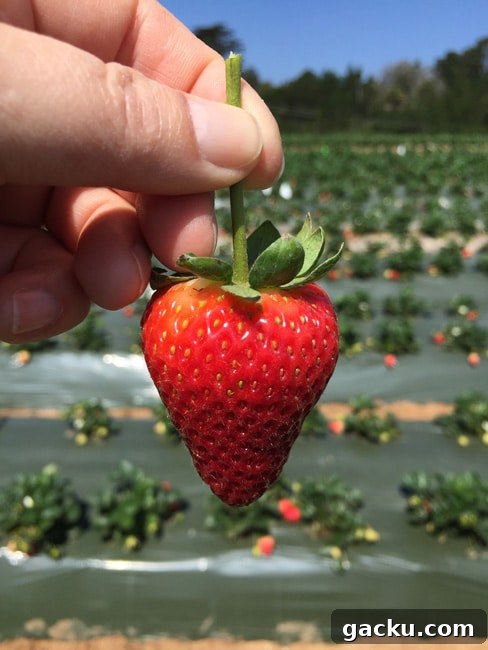
An Idyllic Visit to a Strawberry Farm
This post was sponsored by the California Strawberry Commission. All opinions are my own.
“What’s not to love about strawberries? They are the shape of our hearts, the color of our blood. I love strawberries!”
– Miguel Ramos, Watsonville Strawberry Farmer, Ramos Farms
Although much of the farmland that once filled the heart of Silicon Valley has given way to suburbs, in under an hour I can be standing among acres of rich, productive fields. On April 13 I did just that, invited by the California Strawberry Commission to join a group of Bay Area bloggers for a visit to Miguel Ramos’ strawberry farm in Watsonville, followed by a three-course, strawberry-focused meal at Ella’s at the Airport.
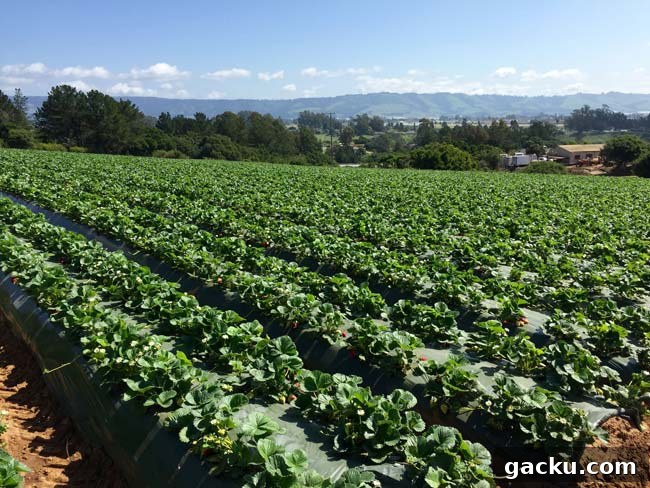
For half a day I breathed cool Monterey Bay air while surrounded by strawberry rows—the most delightful temporary office. Here’s a look at that visit.
A Quick Stop at the Airport, Then Off to the Fields
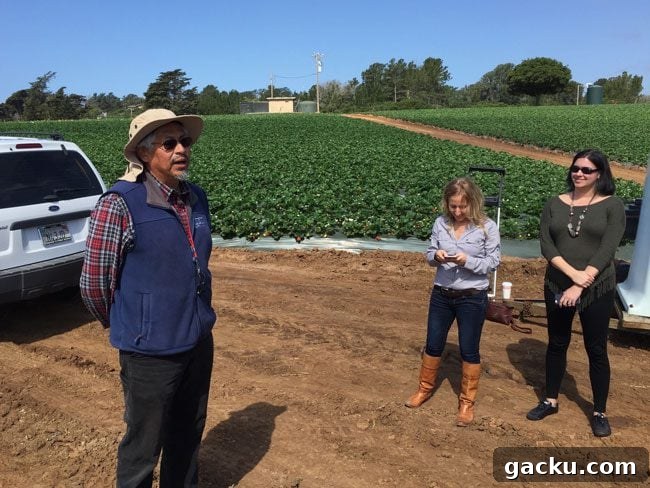
 We met at the Watsonville Airport, enjoyed a light morning snack and introductions, then boarded a bus to Ramos Farms. The bus parked at the edge of the field and we were greeted by Miguel Ramos, owner of the 41-acre farm. He described his background and passion for strawberries, then led us into the rows to pick, taste and learn how the berries are grown.
Miguel studied agronomy at Cal Poly San Luis Obispo. The California Strawberry Commission calls strawberries a “crop of opportunity.” About 90% of U.S. strawberries are grown year-round in California by roughly 400 family farms, many passed down through generations. Miguel began with one acre and has grown to 41. He previously worked as an agronomist, training field workers on pesticides and fertilizers. Over time he focused on crops that could provide stable livelihoods and chose strawberries.
So Many Choices …
Miguel grows three primary varieties: Monterey, Cabrillo and Albion. His favorite to eat fresh is Albion, which offers a slightly more intense flavor, but it yields less per acre so he also grows more Cabrillo and Monterey. Tasting berries straight from the vine confirmed that all three are excellent. Miguel pointed out how to tell varieties apart by the leaf shape—one curls up, the other down; the cupped-up leaf is Cabrillo.
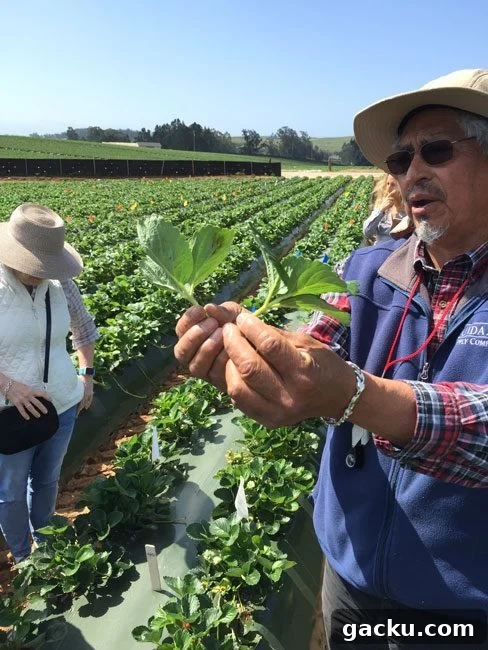
Miguel demonstrated the proper way to pick a strawberry so it snaps cleanly from the stem. He also explained raised-bed farming, how fumigants and pesticides are applied under strict regulations, and the rigorous hygiene practices every worker follows daily. Farmers live in the communities where they work, so protecting the health of people, land and environment is a top priority. Based on multiple sources, I choose both organic and conventional produce and believe fresh fruit—whatever the source—is a better choice than processed foods.

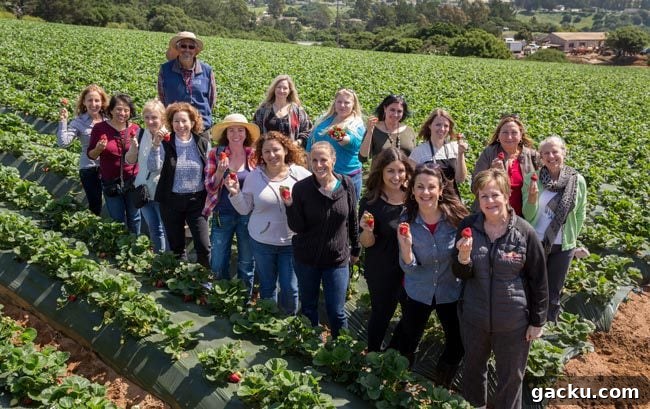
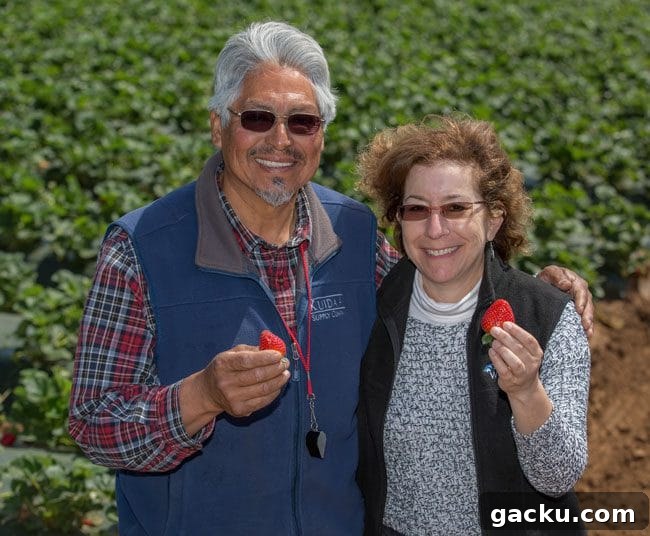
Before we left, we posed with Miguel and the fields, a perfect photo to remember the visit.
#8aDay
Most strawberry fans already enjoy them often, but the health benefits are impressive. In just eight strawberries you’ll find:
- More vitamin C than an orange
- About half the sugar of an apple—around 7 grams per cup
- Roughly one third the calories of a banana (about 45 calories for eight berries)
- Twice the fiber of an equivalent serving of grapes
- The antioxidant anthocyanin, which gives strawberries their deep red color and may support memory and brain function; it’s also linked to increased dopamine, a feel-good neurotransmitter
- Potassium, which helps support healthy blood pressure
- Because of these benefits, the American Diabetes Association lists strawberries among superfoods suitable for a balanced, diabetes-friendly diet
Sweet or Savory? No Need to Decide
Even better than the nutrition facts is how well strawberries work in every course, from appetizers to dessert. After the farm tour we dined at Ella’s at the Airport.
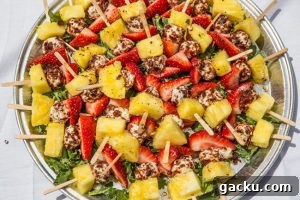
Starters included skewers with pineapple, strawberries and a feta/goat cheese ball wrapped in crispy prosciutto—refreshing with a savory surprise from the cheese. There was also a gluten-free pizza topped with fennel, strawberries, burrata and basil; the crust was excellent and the combination unforgettable.

For the main course we chose between seared halibut or pork tenderloin, both served on cauliflower purée and topped with a bright strawberry salsa, accompanied by mixed greens dressed in a champagne-strawberry vinaigrette.

Dessert was a stacked tres leches cake layered with strawberry and whipped cream—beautiful and delicious.

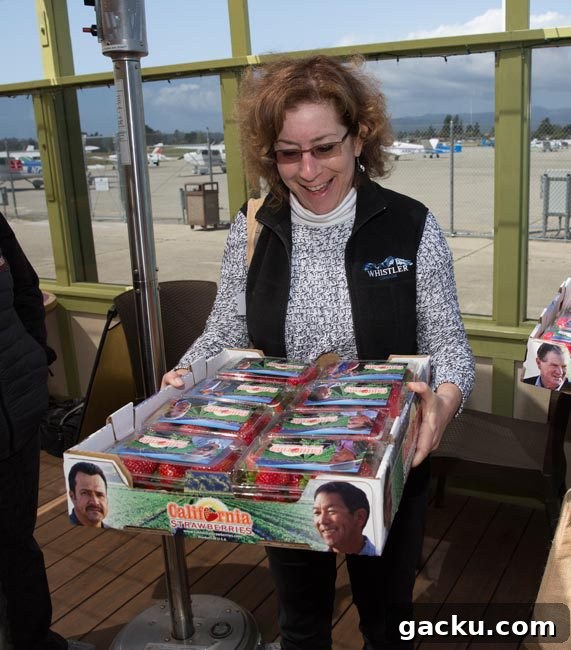
To close the event, Sarah Koszyk, a registered dietitian and fellow blogger, shared nutrition insights about strawberries. Each of us left with a crate of freshly harvested berries to enjoy at home.
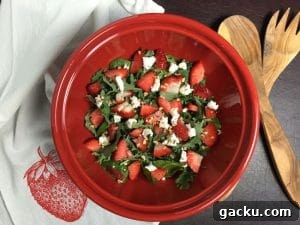
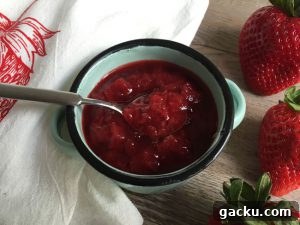
That evening I put my crate to good use, making a strawberry salad tossed with baby spinach and kale, toasted hazelnuts, lemon goat cheese and a pomegranate molasses vinaigrette. I also made an orange- and thyme-infused strawberry jam—both recipes are coming to the blog soon.
I’m already looking forward to the next time I can stand among the strawberry rows. Until then, I’ll be shopping for fresh berries at the farmers’ market and local stores.
For more strawberry recipe ideas, check out posts on my blog including roasted strawberry shortcake, strawberry salsa with basil and balsamic, strawberry jam variations, strawberry spinach salad, berry crisps, and muffins with roasted strawberries.
I was compensated for this post by the California Strawberry Commission. All opinions are my own.
Some photos supplied by the California Strawberry Commission and Robert Durell Photography.
The California Strawberry Commission is a state government agency in Northern California that conducts research and supports the strawberry industry. With an emphasis on sustainable farming, the commission partners on production and nutrition research, food safety training, marketing and communications, trade relations and public policy.