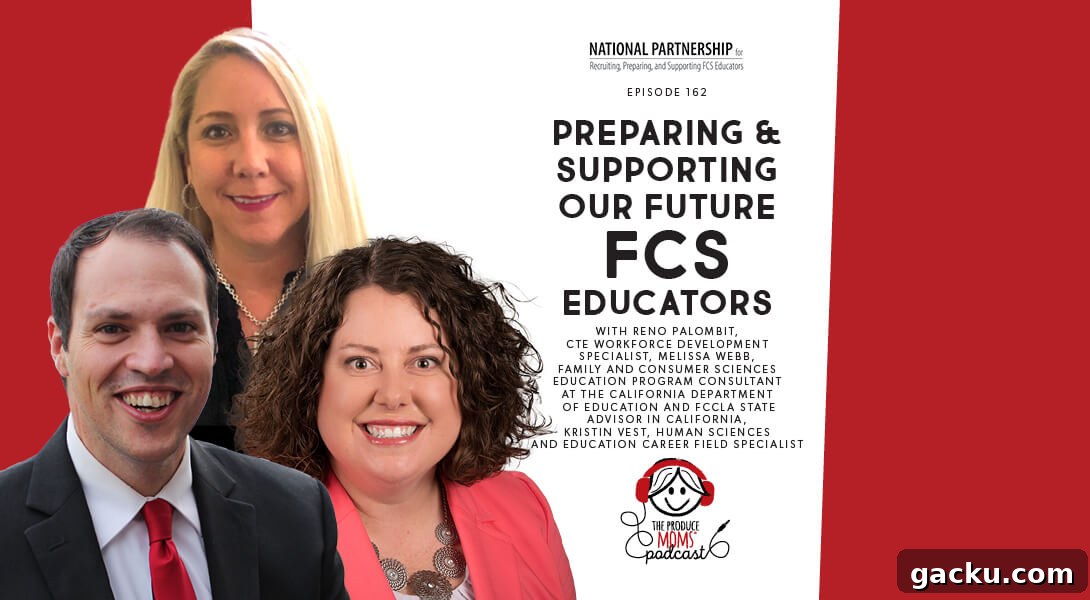
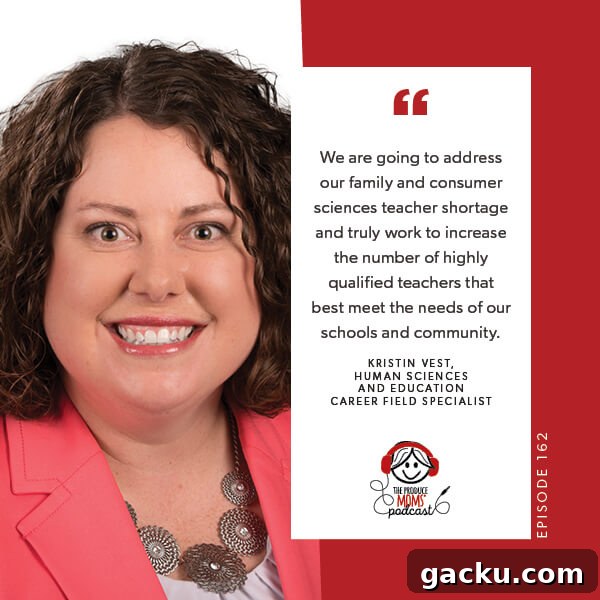
Reno Palombit, CTE Workforce Development Specialist from North Carolina, Melissa Webb, Family and Consumer Sciences Consultant at the California Department of Education and FCCLA State Advisor, and Kristin Vest, Human Sciences and Education Career Field Specialist from the Nebraska Department of Education are all passionately helping recruit, support and retain future FCS educators as part of a USDA grant project and national partnership.
The national partnership is working to inspire more people to consider careers in Family and Consumer Sciences (FCS). In California, Melissa Webb organized a teacher task force at the state level to drive recruitment efforts; that task force will receive funding this year to expand outreach. Only a couple of universities in the state currently offer a clear teacher pipeline for FCS credentials, so the partnership is also coordinating with post-secondary institutions to strengthen pathways for aspiring educators.
To raise awareness, the team produced a promotional video aimed at administrators, current FCS teachers and students to spark interest in the profession and highlight the opportunities a career in FCS can offer.
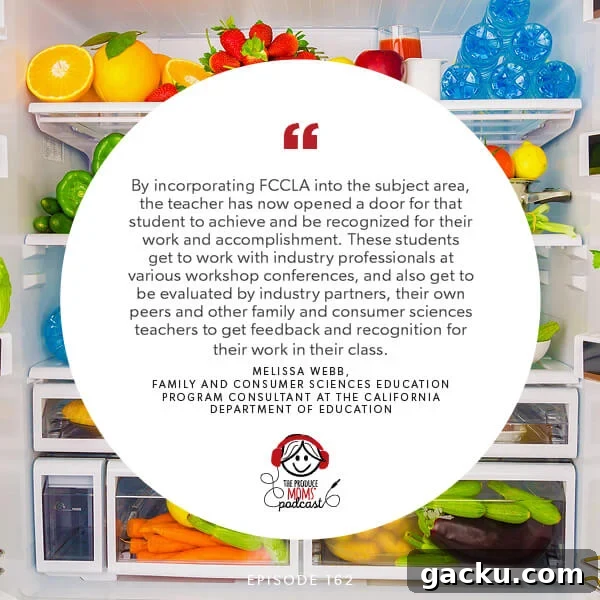
College students can engage with FCCLA through training sessions, workshops and conferences. Visiting high school FCCLA chapters and sharing the college experience is a strong recruitment method for drawing students into FCS degree programs and future teaching careers.
Reno highlights the value of observing classrooms and participating in microteaching during college. Microteaching lets an FCS student teach a focused 20–30 minute lesson and then debrief with a mentor teacher, which accelerates skill development. He also recommends attending teacher conferences to build a professional network and learn about job opportunities.
Because the FCS field spans many specializations—interior design, child development, food and nutrition, and more—Reno encourages students to take targeted courses, sometimes at community colleges, to deepen knowledge in the discipline they plan to teach.
Fiscal and policy compliance: a necessary piece of the work
Managing funding and compliance is a crucial but complex part of supporting FCS teachers. Each state and district operates under different rules for career and technical education funds, with multiple funding “buckets” that have specific allowable uses. For instance, food lab groceries usually come from a program-specific fund rather than federal CTE dollars, while professional development like conference attendance might be eligible for federal support. Clear fiscal oversight ensures teachers have the equipment, supplies and training required to deliver their curriculum effectively.
The past year increased stress and burnout among educators. While schools adapted impressively during the pandemic, many teachers still face fatigue. In Reno’s office, limited funds were used creatively to show appreciation—such as sending teachers small gifts and messages on Teacher Appreciation Day—to help them feel valued.
“Some things we’ve done in our office to support teachers is just making them feel celebrated. In addition to all of the ways we support them at the state level and at the district level, it was important for us this year to celebrate them and show them how much we appreciate them.” – Reno Palombit (27:49-28:10)
Kristin Vest emphasizes the importance of providing listening and support, especially since many FCS teachers work as a department of one. Having a state specialist available to offer ideas, solutions and emotional support helps reduce isolation. In California, Melissa helped organize virtual workshops and forums that allowed teachers to collaborate, exchange best practices and share resources across districts.
To reduce burnout, Reno advises building a professional support network through organizations and setting personal boundaries. He shares a practical example from his teaching days: he avoided taking home grading work because it affected his home life, though he sometimes brought home lesson planning, which he enjoyed. He also recommends choosing positive colleagues and communities—whether in person or online—and regularly checking how supported and energized you feel by your connections.
How to get involved
- Join The Produce Moms Group on Facebook and continue the conversation weekly.
- Reach out to the hosts to share where you are in life and business and to learn more about getting involved.
If you enjoyed this episode, please subscribe and leave a quick review on iTunes. Your feedback helps spread the word and supports future episodes.
Previous episodes you may enjoy
- Episode 161: Erin Petrey, Cocktail Coach and Mixologist
- Episode 160: Sandy Spavone, Executive Director Of FCCLA, And Kayla Godbey, Program Consultant For Family And Consumer Sciences
- Episode 159: Beth McCarthy Smith, Founder Of Simplicity Holistic Health
- Episode 158: Alyson McIntyre-Reiger, Indiana FCCLA State Advisor and President LEAD FCS Education And Dr. Carol Werhan, Clinical Associate Professor At Purdue University and ACTE Vice President of the FCS Division
- Episode 157: Stephanie Paxton-Jackson, Co-Owner Of Kwik Lok Corporation