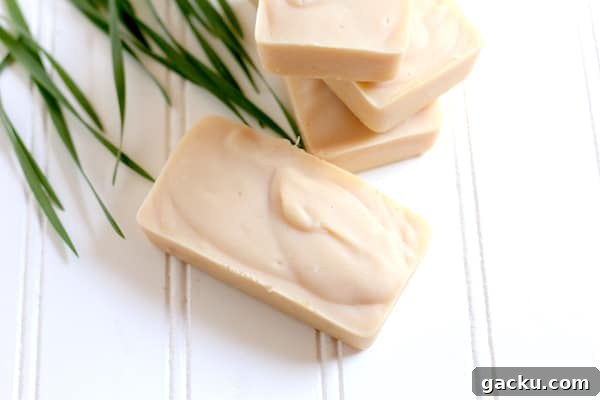
This small-batch cold-process lemongrass soap made with goat milk is ideal for freshening up your spring routine.
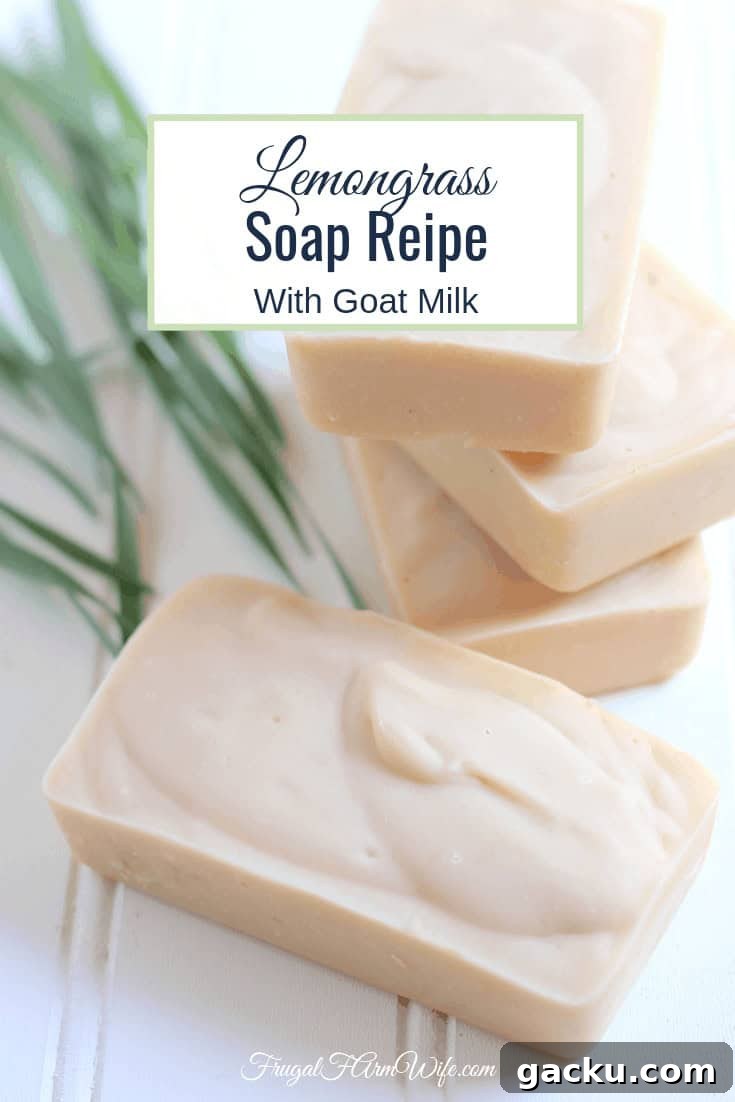
I started making soap about ten years ago just to try it, and I never looked back.
Homemade soap cleans without stripping natural oils, leaving skin soft and nourished rather than dry the way many commercial detergent bars do. It also offers the pleasure of custom scents and ingredients.
Every batch feels special, and I am always experimenting with new essential oil blends. Lemongrass holds a soft nostalgia for me — it even reminds me of old Pez candies — and its bright, citrusy aroma makes it a perfect choice for spring soap.
I enjoy tailoring soap scents to the season: warm fall spice blends for autumn, soothing lavender for calming moments, and invigorating coffee-scrub bars for morning showers.
Why Use Goat Milk in Homemade Soap?
- Goat milk contains alpha-hydroxy acids that gently exfoliate dead skin cells, revealing smoother, fresher skin.
- It is rich in vitamin A, which supports tissue repair and overall skin health.
- Natural fats in goat milk boost moisturization, helping especially dry skin feel softer and more hydrated.
- Goat milk is a source of selenium, a mineral linked to antioxidant benefits that may help protect skin from sun damage.
These attributes make goat milk a valuable addition to handcrafted soap, supporting both cleansing and skin care.
Where to Buy Goat Milk
- Canned or powdered goat milk is often available in the baking aisle of many grocery stores.
- Some stores carry refrigerated goat milk near the dairy section.
- Local farms may sell fresh goat milk for non-dietary uses; it’s worth asking if you prefer locally sourced ingredients.
Essential Oils for Lemongrass Soap
Choose a quality lemongrass essential oil for best fragrance results. For topical use, reputable brands are recommended, but because soap undergoes a curing process, many mid-range essential oils provide excellent scent at a lower cost. Lemongrass essential oil is generally affordable and lends a fresh, uplifting aroma to soap.
Handling Lye Safely
Lye requires respect and proper precautions. Store it sealed in childproof containers, keep it out of reach, and use it only in a well-ventilated area. Safety gear—gloves, goggles, and long sleeves—is advisable when mixing lye with liquids. When handled carefully and stored responsibly, lye is a standard ingredient in cold-process soap making.
Lye is readily available from multiple sources; choose a reputable supplier and follow manufacturer safety guidance.
Best Soap Molds
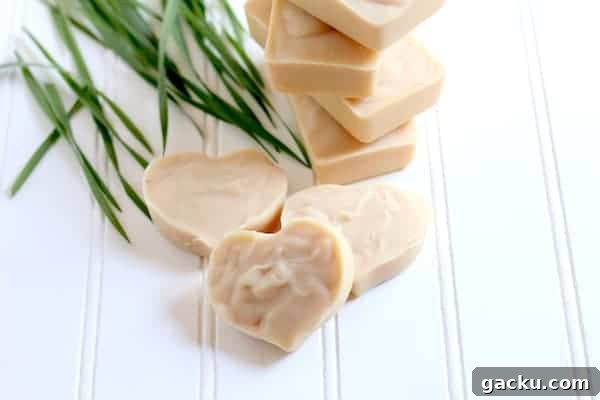
Use any leak-proof, non-reactive mold. Silicone loaf molds are popular for easy release and slicing, but metal or plastic molds, muffin pans, or repurposed milk cartons also work. Be creative—molds determine the final shape and size of your bars.
How to Make Homemade Goat Milk Lemongrass Soap
Many soap makers use milk cartons or loaf molds to create long bars that can be sliced. Don’t hesitate to experiment with different molds to find the shape you like best.
Recipe for Homemade Lemongrass Soap with Goat Milk
Ingredients:
- 2 oz lye
- 6 oz ice-cold goat milk
- 4 oz coconut oil
- 4 oz olive oil
- 8 oz vegetable or canola oil
- 5–15 ml lemongrass essential oil, adjusted to desired scent strength
Instructions:
- Measure ingredients precisely. Keep lye sealed until ready to measure to avoid moisture absorption.
- Work in a well-ventilated area. Pour goat milk into a large, non-reactive container (glass or stainless steel).
- Sprinkle lye slowly over the milk and stir with a non-reactive spoon until fully dissolved. Allow the mixture to cool to about 100°F (approx. 38°C).
- Meanwhile, melt and combine the oils, then cool them to a similar temperature (around 100°F).
- When milk/lye and oils are roughly the same temperature, pour the milk/lye mixture into the oils.
- Blend with an immersion blender for 5–15 minutes until the batter reaches a light trace—thick enough that a drizzle leaves a visible trail.
- Stir in lemongrass essential oil and mix thoroughly for an even scent.
- Pour the soap into a prepared mold and cover to insulate. Let the soap sit undisturbed for 24–48 hours.
- After that time, unmold the soap and cut into bars if needed. Place bars on a curing rack in a cool, dry place for at least three weeks to complete saponification and harden.
With basic safety precautions and a little patience, you’ll have fragrant, moisturizing bars of lemongrass goat milk soap ready to enjoy or share.