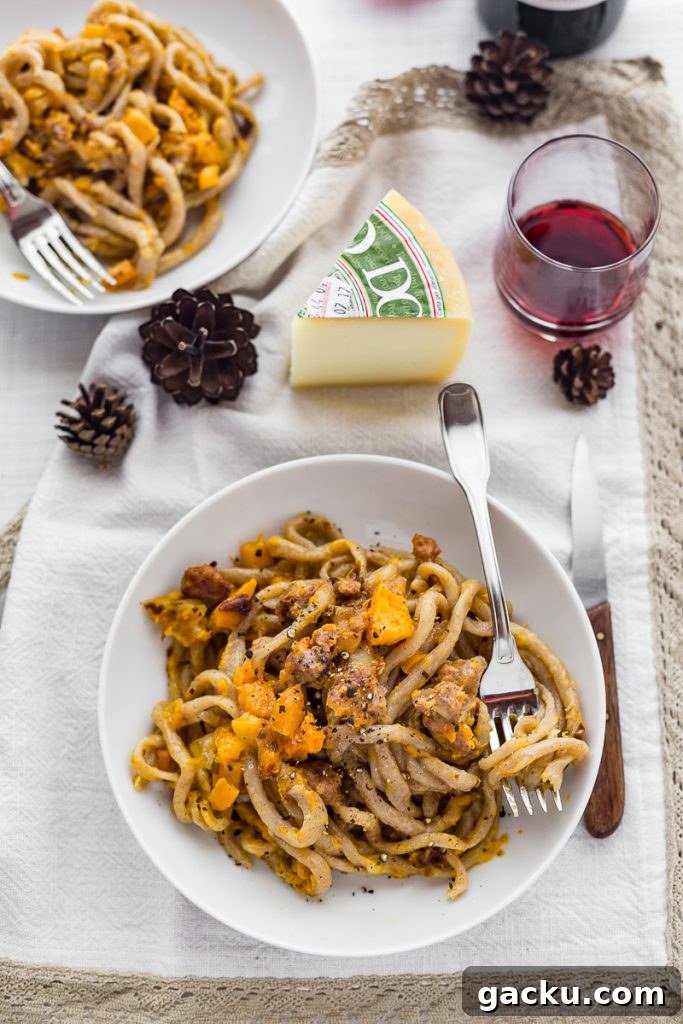
I’ll bring some cheese to the table. Nearly every dinner began that way. In the early years of marriage my mother slowly learned to cook. She had never been adventurous or driven to experiment with new recipes, but she poured the devotion of a newlywed and young mother into every meal.
She had little time after work: clothes to iron, a house to keep, a little girl to play with—then another. She made up for limited culinary experience with the generous spirit typical of an Italian woman.
Cheese was always present and often saved an improvised supper or improved a so-so one. Mom would take cheese from the fridge: always Pecorino Toscano. Sometimes it was fresh, soft, with a delicate aroma of butter and hay. When pears were in season she would peel a ripe one and I would pair a slice with the cheese—the perfect dessert: juicy, sweet pear and fresh milky pecorino in harmony.
Other times she served a slice of aged Pecorino, grated over pasta or served with crusty bread. The aged variety is intense and nutty. I have always preferred the fresh pecorino for its gentle flavor; my parents fought over the last crumble of the aged cheese.
After more than thirty years, my mother cooks very well. On nights when I don’t feel like cooking or I’m too tired and long for takeaway pizza or sushi, she is my go-to. Her kitchen is my favorite trattoria—there is always a small table in a corner for two. For us the Tuscan Pecorino, simply “the” cheese, never misses the table.
When I moved out I began buying my own pecorino: first at the supermarket, then at the weekly market, and now often directly from local producers. Even with a full fridge and pantry, I feel something’s missing without at least a slice of pecorino. I grate it over pasta, stir it into a creamy risotto, or serve it with honey or onion jam during cooking classes. It rescues many last-minute dinners when I forget to cook and Tommaso arrives hungry. Pecorino is both a key ingredient in recipes and a delicious snack on its own, paired with a glass of wine or fresh fava beans.
I’m proud to introduce a new collaboration with the Consortium of Pecorino Toscano PDO. Over the coming months I will share ways to use fresh and aged Tuscan pecorino in simple recipes suitable for midweek dinners, relaxed Saturday nights, or gatherings of friends.
Pici with butternut squash and Pecorino Toscano PDO
Let’s begin with a recipe from the production area of Pecorino Toscano: pici, thick hand-rolled noodles traditionally made in Val d’Orcia. Pici are one of the simplest fresh pastas to learn—just flour and water are needed, and the only tools required are a rolling pin and a cutter.
In my cooking classes pici always surprise students: rolling them is as intuitive as playing with play dough. Making pici brings back a childlike pleasure, and eating them—thick, chewy, and satisfying—can transport you to the velvet hills of Val d’Orcia.
Here’s a version I recommend for the holidays: the dough uses plain wheat flour with a portion of whole rye flour for extra texture and flavor. The dressing is seasonal: slowly cooked butternut squash and leeks braised in extra virgin olive oil until they form a soft sauce, crumbled fresh sausage for a savory bite, and a generous handful of fresh Pecorino Toscano PDO that melts into the pan to coat the pasta.
You can prepare pici with butternut squash and sausage in about an hour. It’s a comforting, rustic dish—worth trying.
Pici with butternut squash, sausage and Tuscan pecorino
Giulia
Ingredients
Ingredients for the pici
- 250 g water
- 1 tablespoon extra virgin olive oil
- 1 pinch of salt
- 360 g all-purpose flour
- 140 g whole rye flour
- Semolina or corn flour for dusting
Ingredients for the seasoning
- 1 leek (white and green parts)
- Extra virgin olive oil
- Salt
- 500 g butternut squash, cleaned and diced
- 200 g fresh sausage, casing removed and crumbled
- Black pepper
- 200 g fresh Pecorino Toscano PDO, cubed
Instructions
- Pour water into a large bowl with the olive oil and salt. Gradually add the two flours, stirring with a fork.
- When the dough becomes too firm for the fork, transfer it to a wooden board and knead by hand until smooth. Adjust with a little more flour if sticky or a touch of water if too dry. Let the dough rest, covered, for about 30 minutes.
- While the dough rests, prepare the sauce. Thinly slice the leek (white and green parts).
- Sauté the leeks in a pan with a drizzle of extra virgin olive oil and a generous pinch of salt over low heat until soft, about 10 minutes.
- Add the diced butternut squash and crumbled sausage. Stir and cook gently for about 20 minutes, until the squash is very soft and nearly creamy.
- Season with salt and pepper, add the cubed Pecorino, and cook until the cheese begins to melt. Turn off the heat and set the sauce aside.
- Roll out the rested dough on the board with a rolling pin to about 0.5 cm thickness. Brush lightly with olive oil to prevent drying.
- Cut the dough into strips about 1 cm wide, then roll each strip into pici—like stretching play dough into thin ropes.
- Dip each picio in semolina or corn flour as you go, then lay them on a tray.
- Cook the pici in salted boiling water until al dente, drain, and transfer them to the pan with the sauce. Toss with a little cooking water to help the cheese melt and coat the pasta. Serve immediately.
Link Love
- My favorite cheese producers in Tuscany and an ode to pecorino.
- More on Pecorino Toscano PDO, including its history, characteristics and production via the Consortium of Pecorino Toscano PDO.