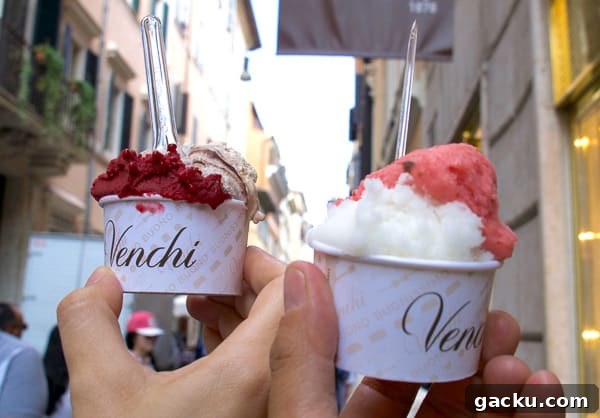
Ah, Europe—land of historic castles, romantic cobblestone streets, and an astonishing variety of desserts.
So many desserts to taste and enjoy.
To help plan the sweet side of your next trip to Europe (or to find mouthwatering recipes to make at home), here is a curated list of must-try European desserts. You’ll find pastries, cakes, ice cream, cookies, tarts, candies and more—authentic treats from across the continent.
Best European Desserts
This list includes well-known classics and lesser-known regional specialties you’ll want to try. If you’re ready to bake, check out international dessert recipes for inspiration.
Pin This for Later!
I’ll update this list over time, so pin it to come back when you’re planning your next dessert-focused adventure.
1. Baklava in Turkey
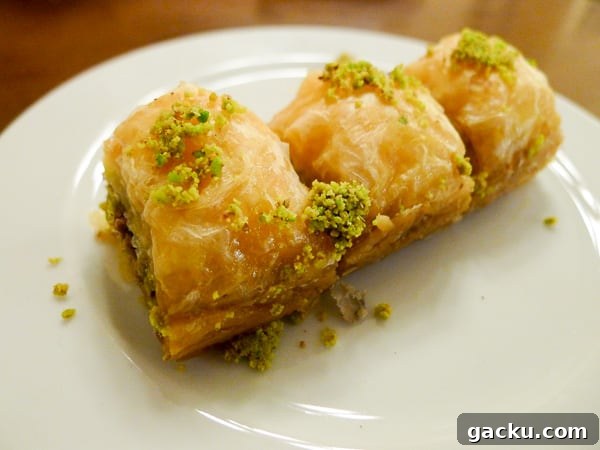
Baklava is built from layer upon layer of paper-thin phyllo brushed with butter, enclosing a mixture of nuts—often walnuts or pistachios—plus cinnamon and sweet syrup or honey. After baking it’s cut into squares or diamonds and usually finished with chopped pistachios. The result is a perfect contrast of crunchy, buttery and syrupy textures. Origin claims vary across the former Ottoman lands, but both Turkey and Greece champion their versions. Gaziantep baklava is recognized with protected origin status in the EU.
Leyla from Women on the Road
2. Trdelník in the Czech Republic
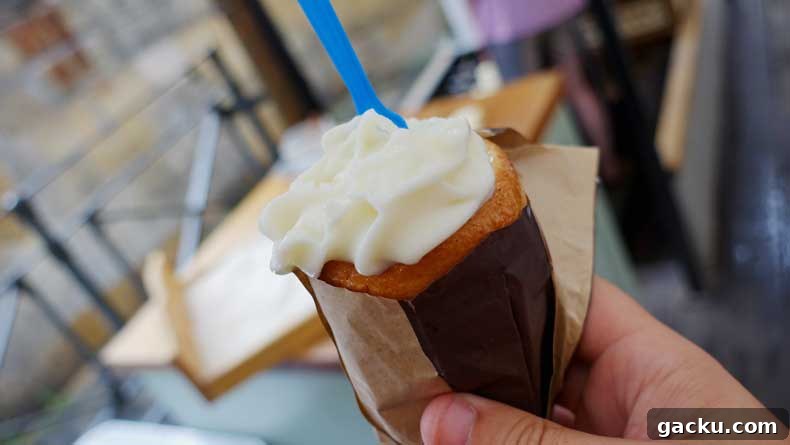
Trdelník, also called chimney cake, is a sweet dough wrapped around a cone-shaped spit, baked over heat and rolled in sugar. Variations include chocolate coatings, cinnamon, chopped nuts, or candy. In Prague it’s common to find them filled with ice cream, whipped cream, or fruit—an irresistible street treat despite some locals calling it tourist food.
Melissa from Parenthood and Passports
3. Kaiserschmarrn in Austria
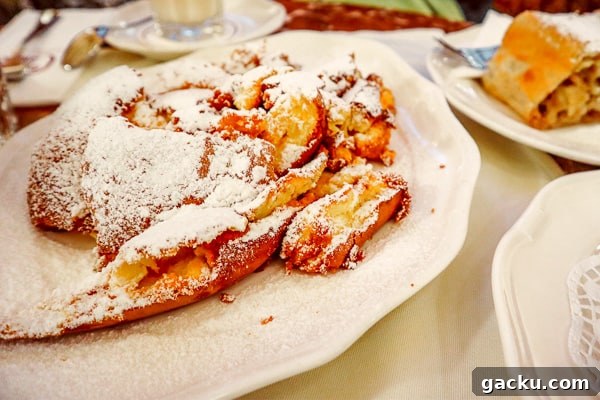
Kaiserschmarrn is a shredded, fluffy pancake dusted with icing sugar and served with fruit compote or jam—traditionally Zwetschgenröster (plum compote). Sometimes nuts, raisins, or apples are added to the batter. Its name—literally “Emperor’s Mess”—dates back to Emperor Franz Joseph I, who reportedly favored the dish. It’s widely available across Austria and neighboring regions.
Or Amir from My Path In The World
4. Gelato in Italy
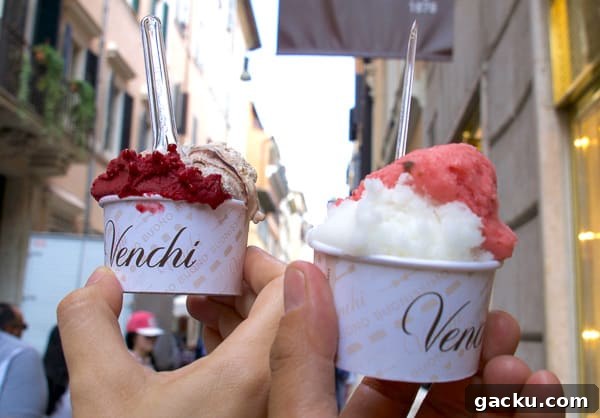
Gelato is Italy’s creamier version of ice cream, usually made with more milk, less cream and little or no egg yolk, resulting in intense flavor and a smooth texture. Authentic gelaterias store gelato in covered metal containers and serve it with a spade; avoid places that mound gelato high—this can indicate artificial stabilizers. Classic flavors include fior di latte, custard, hazelnut, pistachio and chocolate.
Michelle from Intentional Travelers
5. Cinnamon Rolls in Sweden
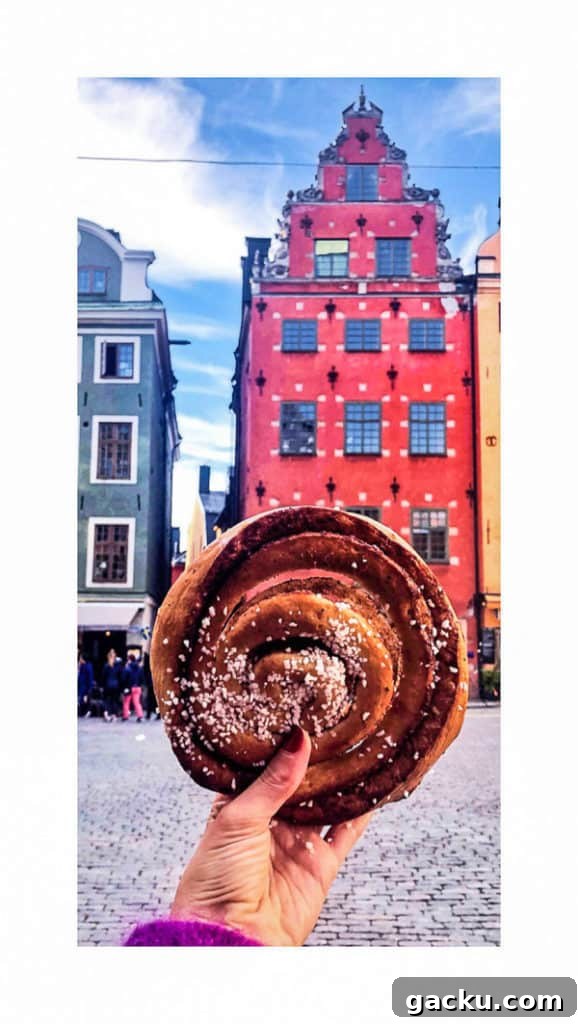
In Sweden, fika—the ritual coffee break—often includes cinnamon rolls (kanelbullar). These yeast-leavened buns are rolled with a cinnamon-sugar filling and sometimes raisins. So popular they have their own day (kanelbullens dag on October 4), cinnamon rolls are sold everywhere from bakeries and cafes to supermarkets. When in Sweden, try one—or two.
Cristina from The Lazy Trotter
6. Dobos Torta in Hungary
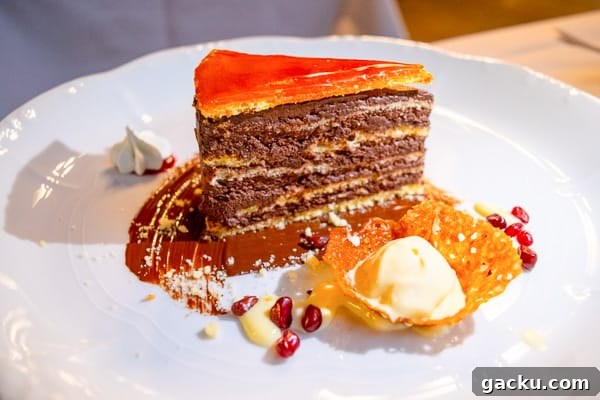
Dobos torta layers sponge cake with chocolate buttercream and caps it with a hardened caramel top. Invented in the 19th century by Jozsef Dobos, the caramel shell helped the cake stay moist longer. In Budapest you’ll find it in cafés—perfect with an afternoon coffee.
Kate at Our Escape Clause
7. Trilece from Albania
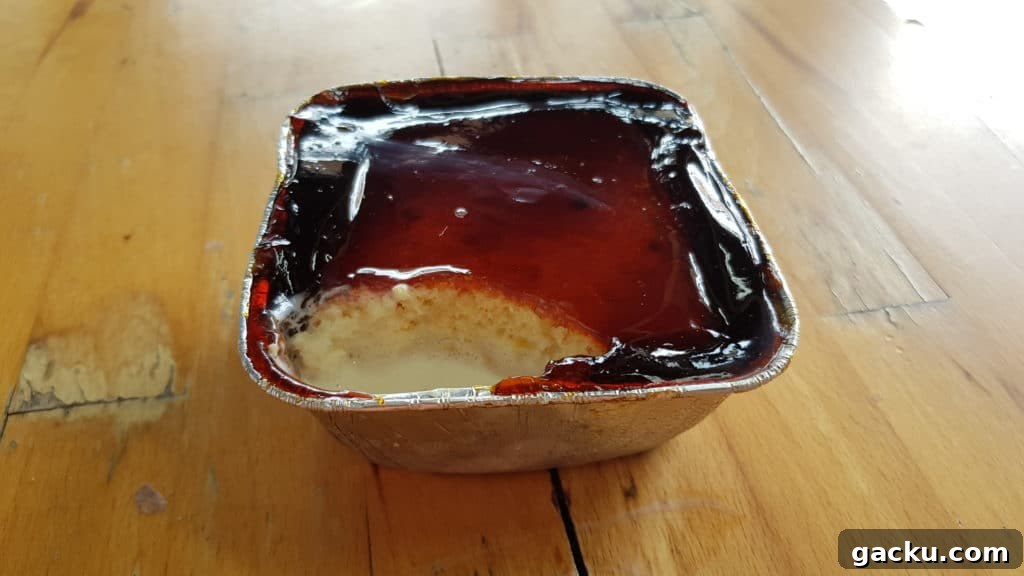
Trilece, inspired by tres leches, is a soft sponge cake soaked in three milks—traditionally goat, cow and buffalo milk, though modern versions use combinations of cow’s milk, cream, condensed and evaporated milk. Often topped with caramel, this milky cake is popular across Albania and the Balkans.
Jeanne from Learning to Breathe Abroad
8. Spaghettieis from Germany
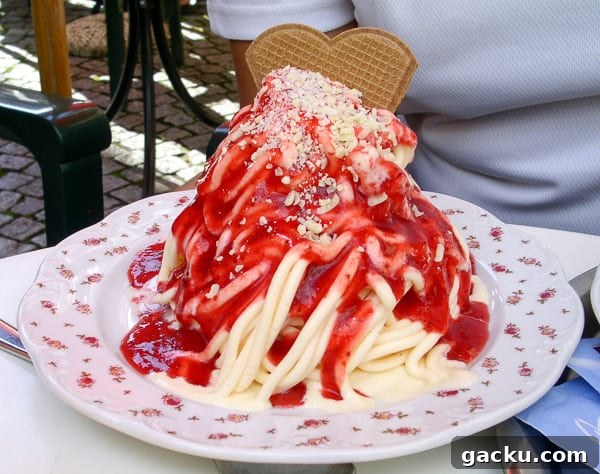
Spaghettieis is a playful German ice cream specialty where vanilla ice cream is pushed through a ricer to create “noodles,” served over whipped cream and topped with strawberry sauce to resemble spaghetti and tomato sauce, often finished with white chocolate shavings. It’s a beloved café treat and worth trying for its fun presentation and taste.
Corinne from Reflections Enroute
Read: Germany’s best Christmas food, celebrations and traditions!
9. Prekmurska Gibanica from Slovenia
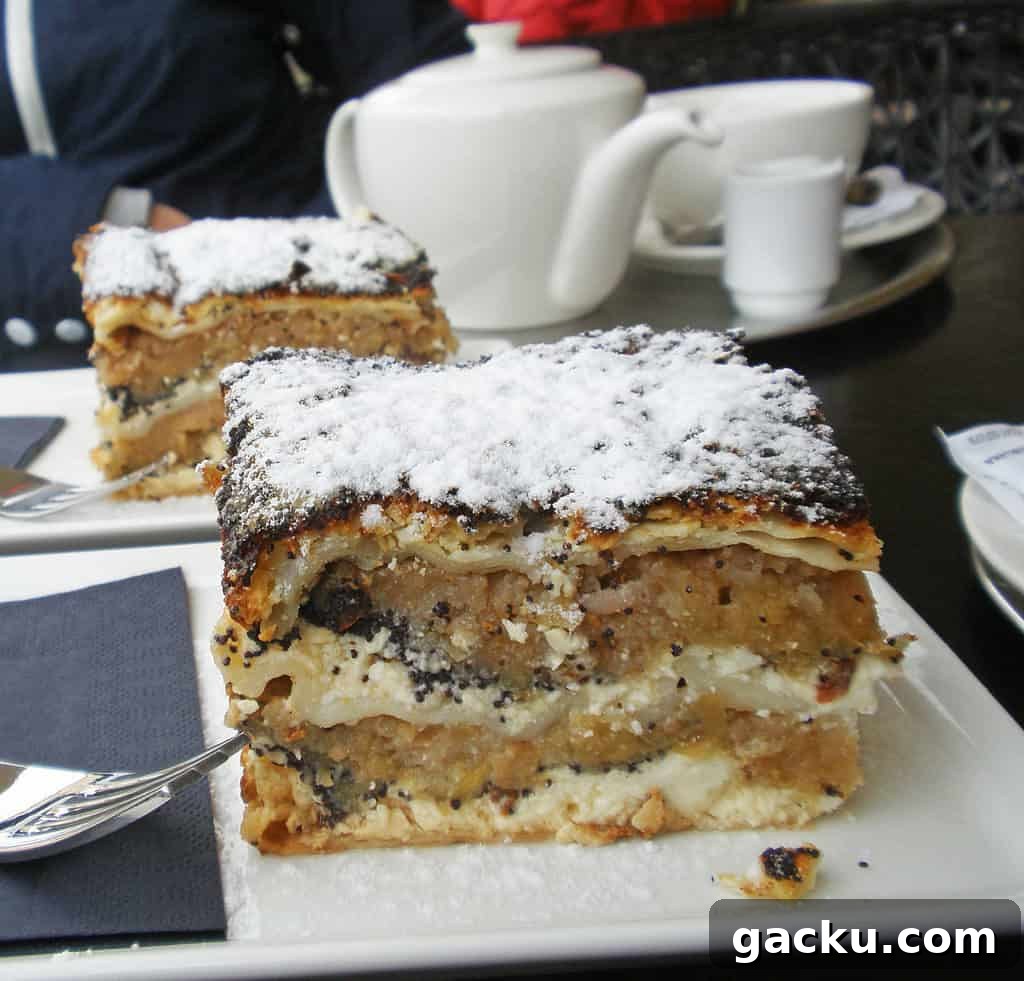
Prekmurska gibanica is a layered Slovenian pastry from the Prekmurje region. It combines layers of poppy seed, cottage cheese and walnut-apple fillings between delicate sheets of dough, often dusted with powdered sugar. You’ll find it in traditional restaurants in Ljubljana and throughout Prekmurje.
Tereza from Czick On the Road
10. Tiramisu from Italy
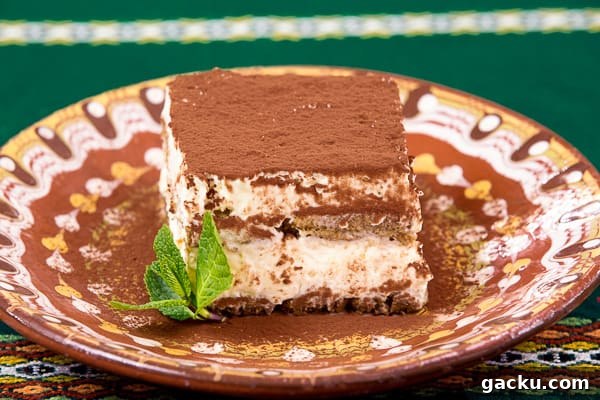
Tiramisu is an uncooked Italian classic of coffee-dipped ladyfingers layered with a rich mascarpone custard made from eggs, sugar and mascarpone cheese. Originating in the Venice region, it’s rich, silky and indulgent—one of Italy’s most beloved desserts. In Rome and elsewhere you can find traditional and creative variations with fruit or chocolate.
Claudia from My Adventures from Across the World
11. Sachertorte from Austria
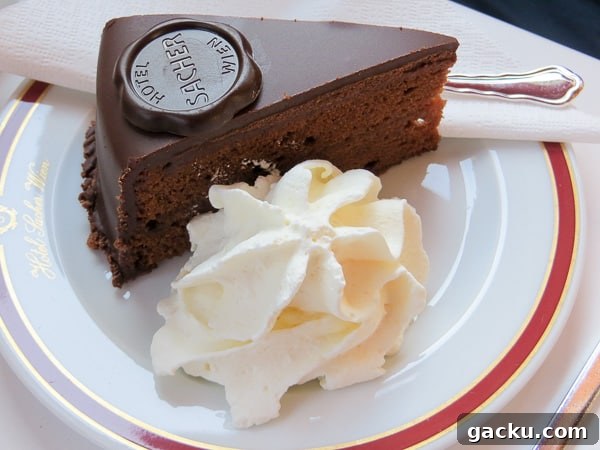
Vienna’s Sacher Torte is a dense chocolate cake layered with apricot jam and covered in glossy chocolate glaze. Its history includes a long-running dispute between the Hotel Sacher and the Demel bakery, but today both serve their takes on this Viennese icon—perfect with a cup of coffee.
Betsy from Passing Thru
12. Pastéis de nata from Portugal
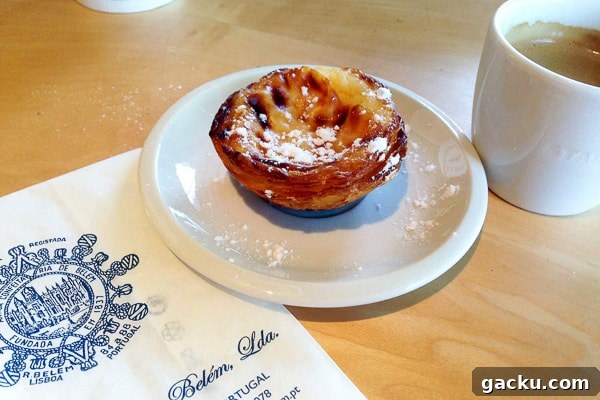
Pastéis de nata are Portuguese custard tarts with a flaky pastry shell and a creamy, egg-rich filling, often dusted with cinnamon. Invented by monks in Lisbon’s Belém district, they remain a signature Lisbon treat—best enjoyed warm from a bakery in Belém.
Halef and Michael from The Round The World Guys
13. Norwegian Success Cake
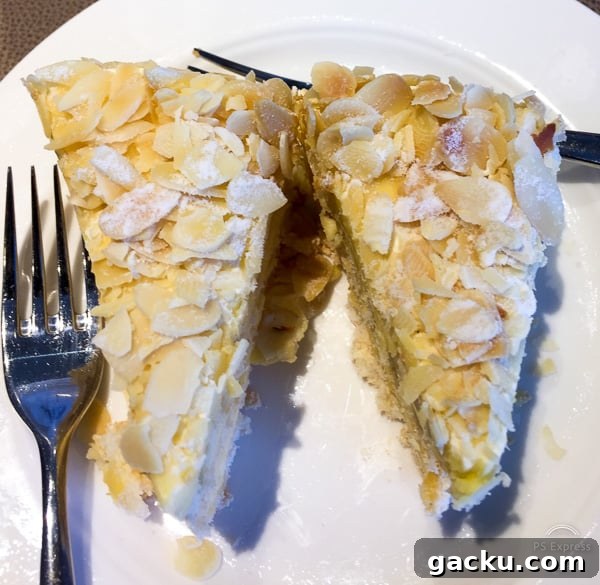
Suksessterte, or success cake, is a Norwegian almond meringue cake filled with a rich cream made from egg yolks, sugar, butter and cream. Often topped with sliced almonds or shaved chocolate, this gluten-free dessert is decadently rich and widely loved in Norway.
Dhara from It’s Not About the Miles
15. Eton Mess from the UK
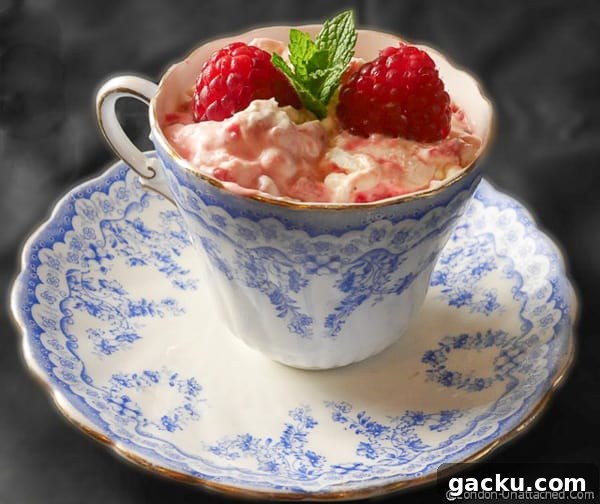
Eton Mess is a simple, summery British dessert of crushed meringue mixed with whipped cream and fresh fruit—often strawberries or raspberries. The name references school traditions and a few amusing origin stories, but its appeal is straightforward: crunchy, creamy and fruity.
Fiona from London Unattached
16. Papanasi from Romania
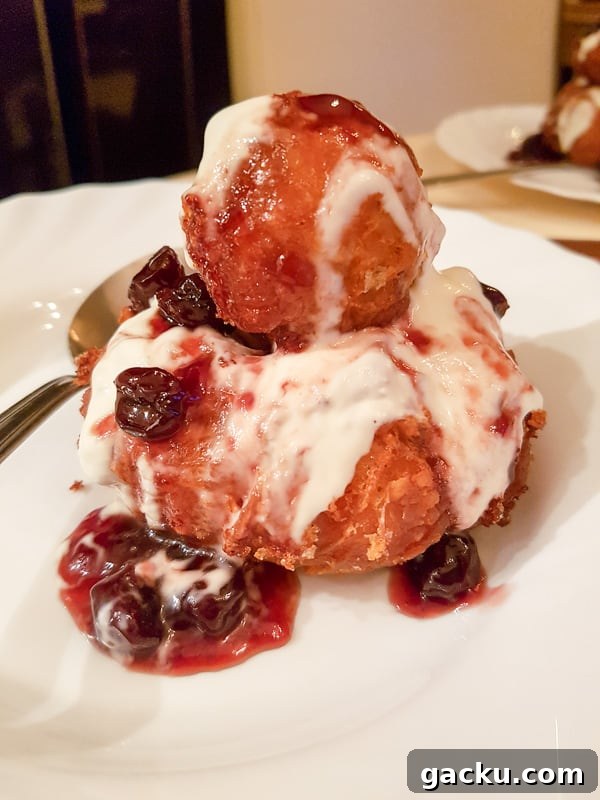
Papanasi are Romanian fried doughnuts made with sweetened cottage cheese, giving them a moist, fluffy texture. Typically served in pairs, they’re deep-fried and topped with sour cream and sour cherry jam. Large and intensely sweet, they’re ideal for sharing.
Joanna from World in My Pocket
17. Crème Brûlée from France
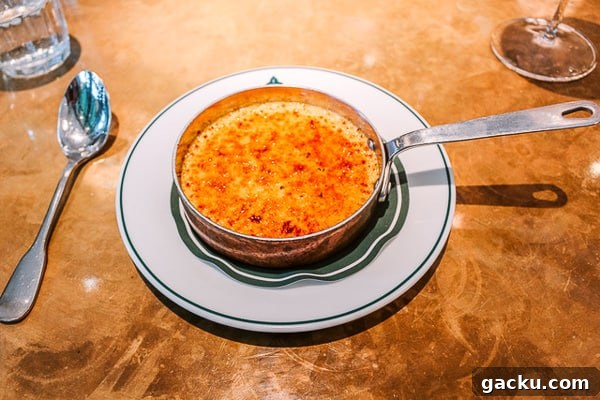
Crème brûlée is a classic French dessert of vanilla-flavored custard topped with a thin, caramelized sugar crust. The caramel is usually torched just before serving so you can enjoy the satisfying crack of the sugar top with a spoon. It’s a staple on French menus and comes in many modern flavor variations.
Laura from What’s Hot Blog
18. Flan in Spain
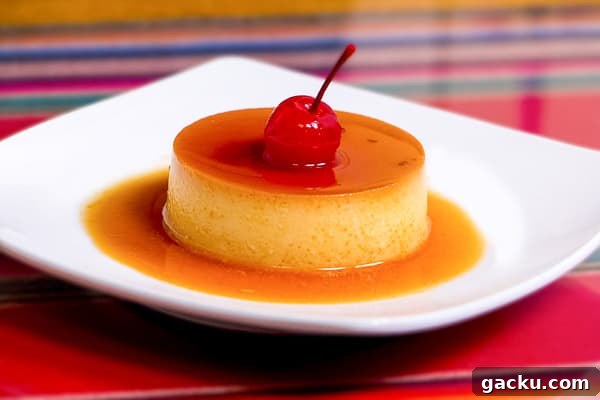
Flan is a long-standing custard dessert that traces back to Roman times and became a Spanish favorite when the caramelized top was introduced. Made from milk, eggs, sugar and vanilla—sometimes with condensed or evaporated milk—flan is silky, creamy and widely enjoyed across Spain and former Spanish territories with regional variations.
Talek from Travels with Talek
19. Cannoli from Italy
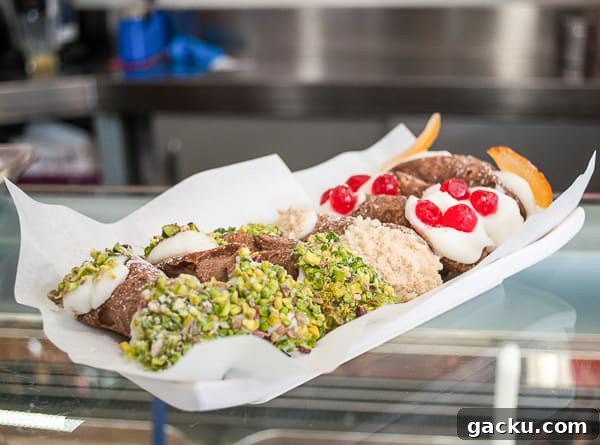
Cannoli are Sicilian fried pastry tubes filled with sweet ricotta, often enhanced with honey, chocolate, pistachios or candied fruit. Buy them freshly filled so the shell stays crisp—soggy cannoli are a disappointment. Choose toppings like chopped pistachios or chocolate chips for extra texture.
Suzanne from The Travel Bunny
20. Faworki from Poland
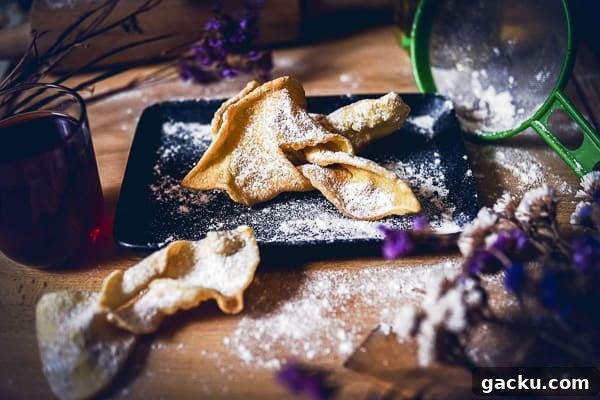
Faworki, or angel wings, are thin, crisp fried pastries dusted with powdered sugar. The dough often includes egg yolks and flavorings like rum, vanilla or almond extract. Traditionally associated with carnival celebrations such as Fat Thursday, faworki have a light, melt-in-the-mouth texture that keeps you coming back.
Karolina from Lazy Travel Blog
21. Zagorski štrukli from Croatia
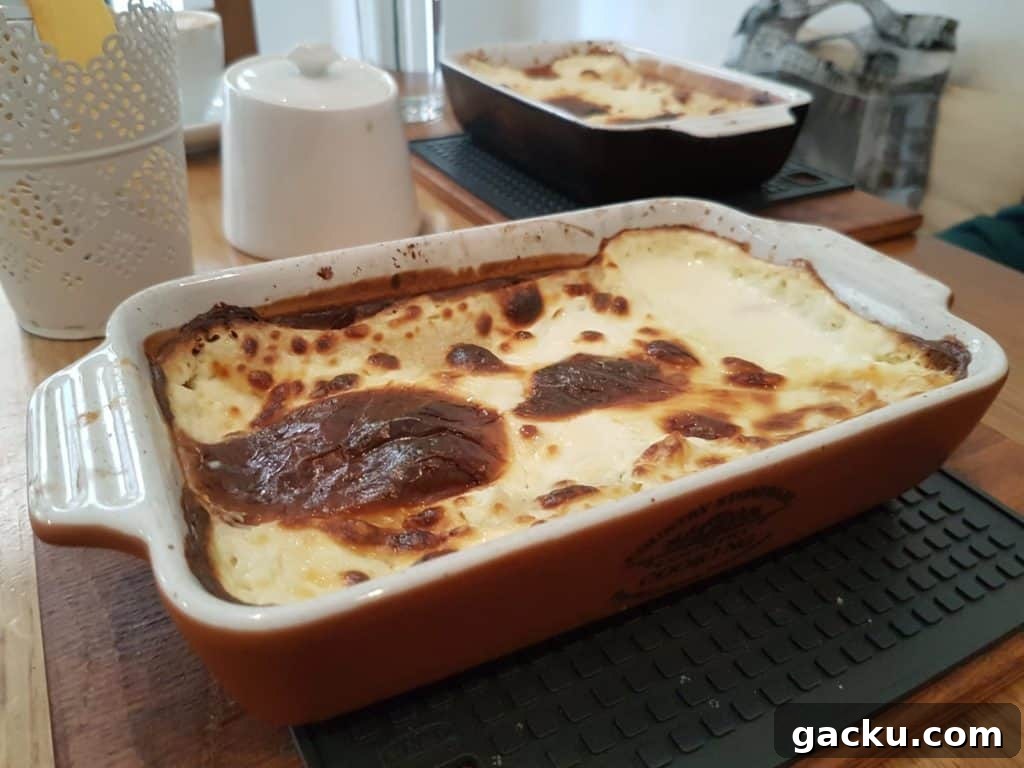
Zagorski štrukli is a traditional Croatian dish from Hrvatsko zagorje made from thin dough and cottage cheese filling, baked or boiled and offered in sweet or savory versions. It’s a regional specialty commonly found in Zagreb and protected as part of Croatia’s cultural heritage.
Tea from Culture Tourist
22. Crema Catalana from Spain
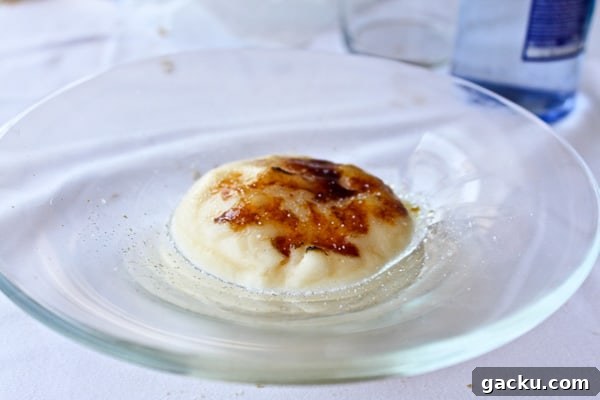
Crema catalana is a historic Catalan custard flavored with lemon peel and cinnamon and topped with a caramelized sugar crust. Older than many similar desserts, it’s traditionally eaten on March 19 but is now enjoyed year-round. Its texture is slightly lighter than French crème brûlée and it’s a staple in Catalan restaurants.
Justine from Latitude 41
23. Vla from the Netherlands
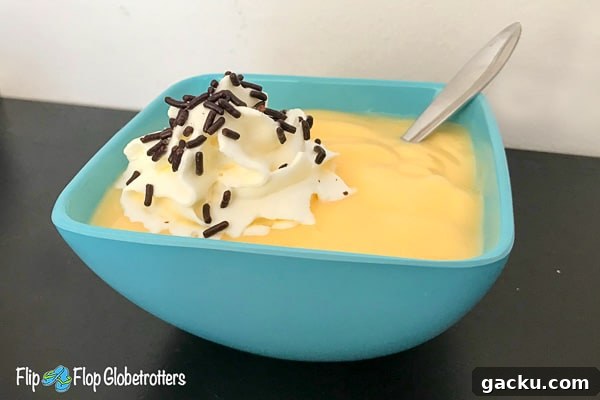
Vla is a Dutch custard-like dairy dessert made from milk, eggs, cornstarch and sugar. Vanilla is the classic flavor, but you’ll also find chocolate, caramel, apple-cinnamon, banana and coffee varieties. Sold widely in supermarkets, vla is a popular home dessert even if it’s less common on restaurant menus.
Lisa from Flip Flop Globetrotters
24. Strudel from Austria
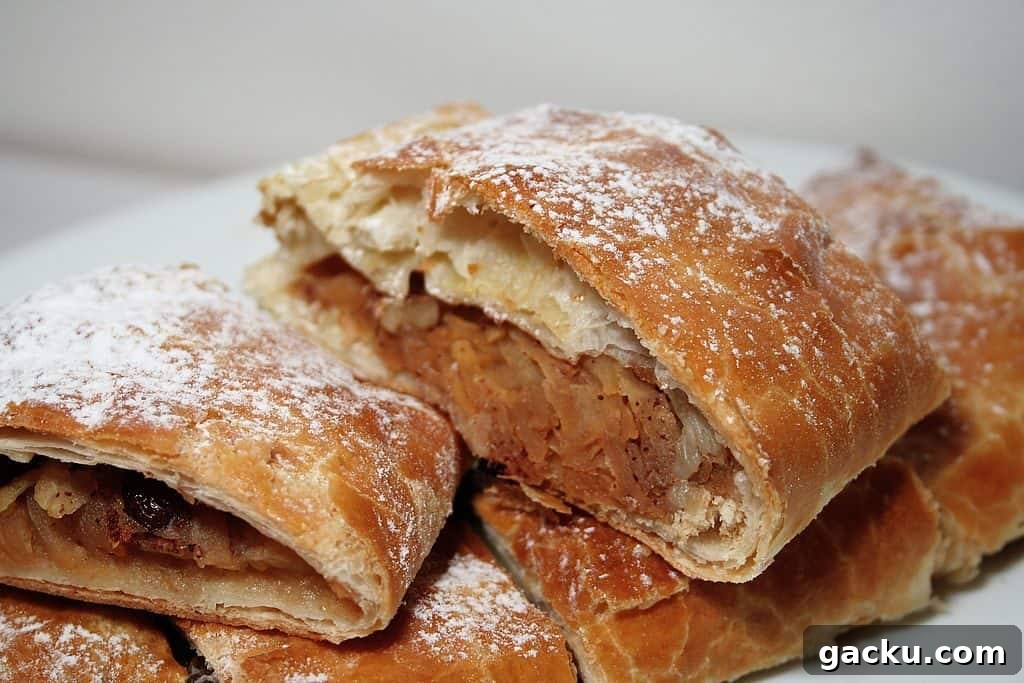
Photo Credit
Viennese strudel—often filled with spiced apples and raisins—remains a beloved Austrian dessert, especially comforting in winter with a cup of hot chocolate. It’s widely available across Austria and best enjoyed warm.
Bradley from Dream Big, Travel Far
25. Stroopwafel from the Netherlands
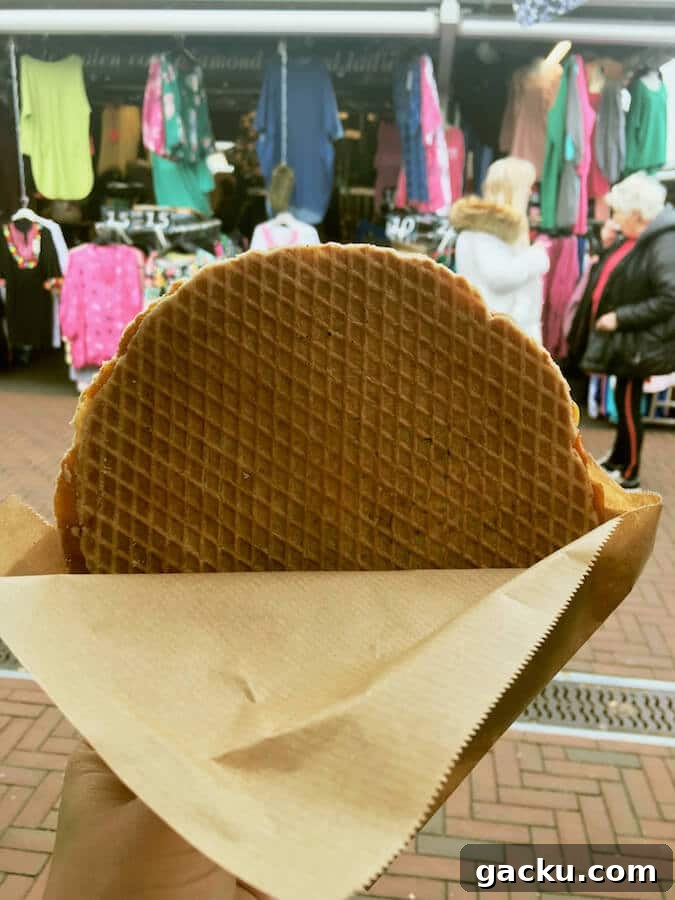
Stroopwafels are two thin waffle layers sandwiching a sticky caramel syrup. Traditionally associated with Gouda, they’re often warmed over a hot cup of coffee or tea to soften the caramel. Fresh stroopwafels from market stalls are a real treat.
Karen from Wanderlustingk
Read More: 5 best sweets to try in Amsterdam!
26. Basque Cake from France
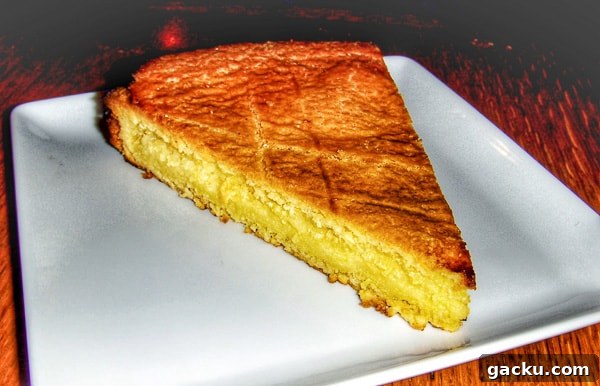
Gâteau Basque is the emblematic cake of the French Basque Country. Traditionally filled with black cherry jam from Itxassou or with pastry cream and almonds, this dense butter cake is often sold under quality labels like Eguzkia. Ask for “gâteau Basque fait maison” for an authentic treat.
Stephanie from Ethno Travels
27. Turkish Delight from Turkey
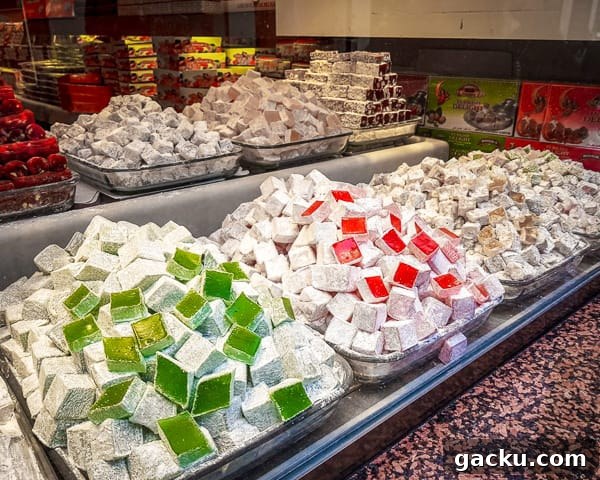
Turkish delight is a gel-based candy dusted with powdered sugar and flavored with rose, bergamot, vanilla, pistachio or walnut. Artisanal shops often roll it in coconut, chopped nuts or dried petals. Enjoy it fresh from a local candy store along with strong Turkish coffee.
Allison from Sofi Adventures
28. Baba au rhum from Paris
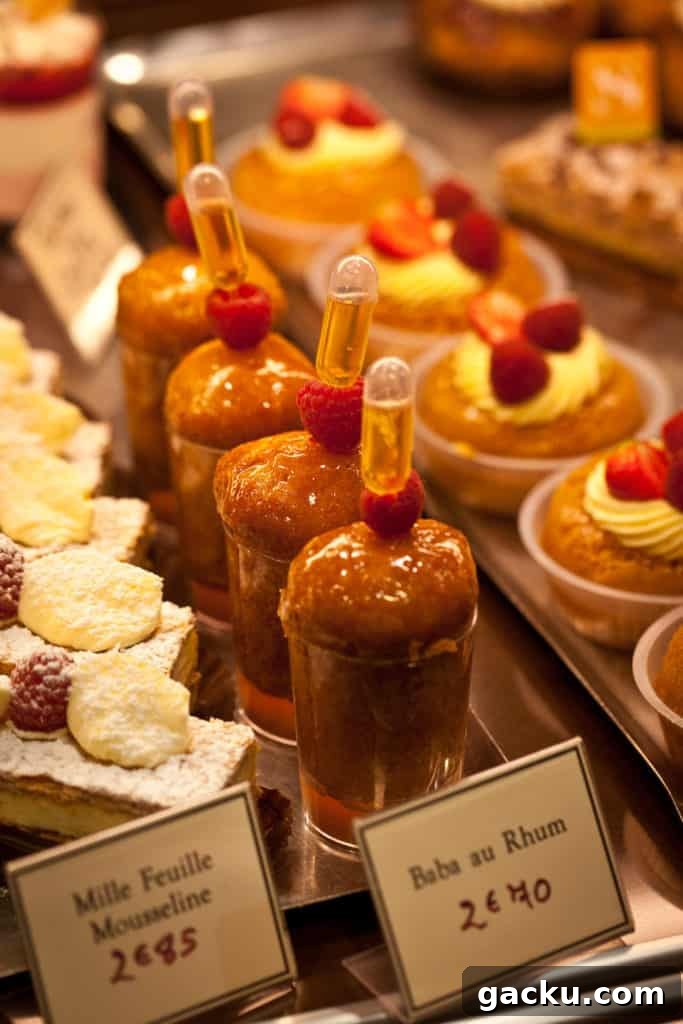
Baba au rhum (rum baba) is a yeast-based cake soaked in rum syrup. Its modern Parisian form was perfected by pastry chefs in the 18th century and you can still find classic versions at historic pâtisseries like Stohrer in Paris’s 2nd arrondissement.
Elisa from World in Paris
29. Sebadas from Sardinia
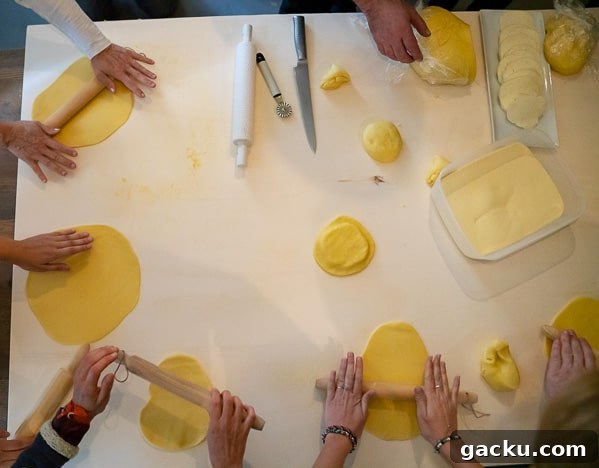
Sebadas are Sardinian deep-fried pastries filled with pecorino cheese and drizzled with honey. Traditionally made with semolina and lard, lighter modern versions exist. Best eaten hot and slightly shared—one is often enough for two.
Margherita from The Crowded Planet
30. Sticky Toffee Pudding in the UK
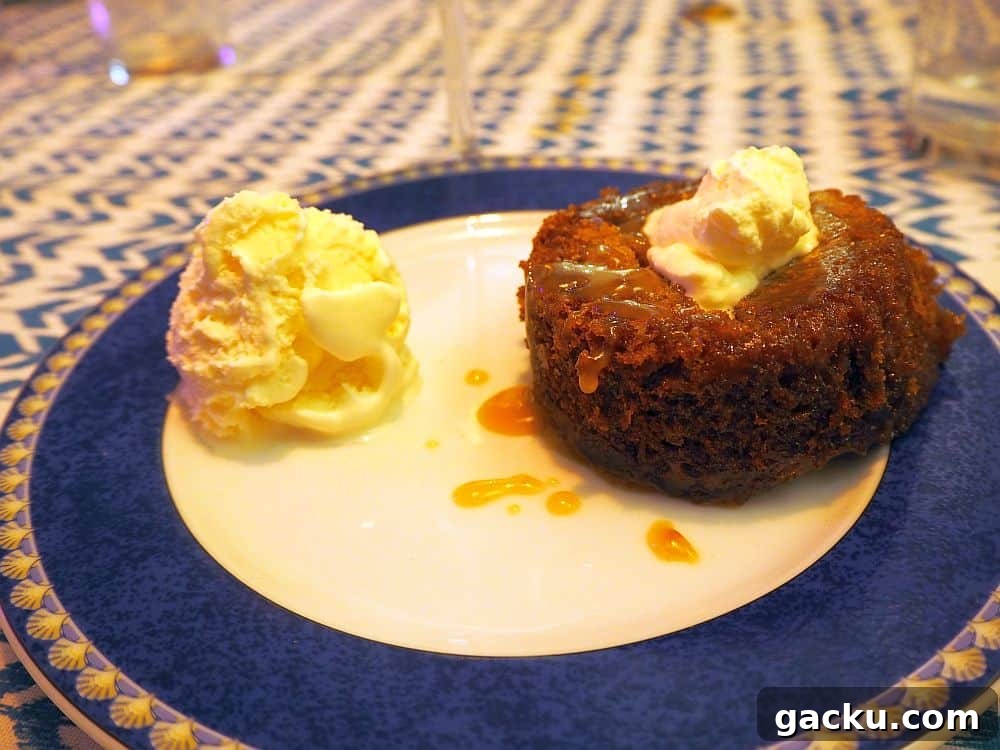
Sticky toffee pudding is a moist dark sponge made with dates, soaked in a rich toffee sauce and usually served with cream or ice cream. It’s a comforting pub classic perfect for chilly, rainy days.
Rachel from Rachel’s Ruminations
31. Crepes in Paris
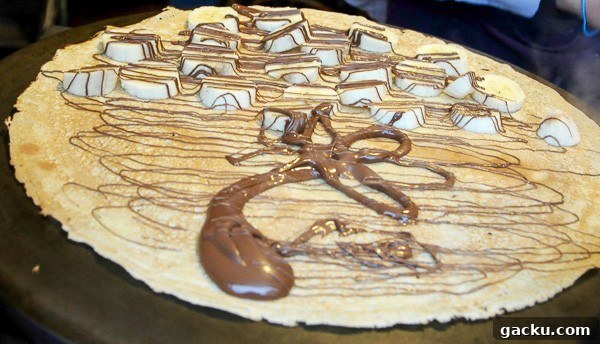
Crepes are ubiquitous in Parisian streets and a beloved dessert option. Thin pancakes from Brittany, they can be filled with Nutella and banana, strawberries, sugar, caramel or ice cream. Street vendors cook them on hot circular griddles and fold them to order—an easy, delicious snack to enjoy while exploring the city.
Lisa from Mindset Yes Family
32. Biskvitena Torta from Bulgaria
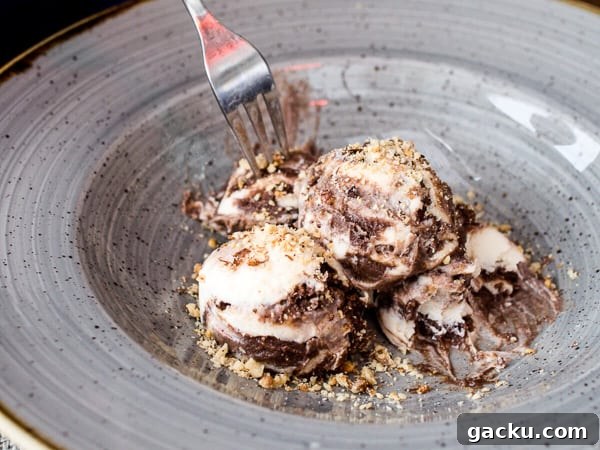
Biskvitena torta is a no-bake Bulgarian biscuit cake layered with custard cream and soaked biscuits. Often finished with walnuts or coconut, it’s a chilled, creamy dessert found on many café menus and served in countless family variations.
Emily from Wander-Lush
33. Medovik (Honey Cake) from Russia
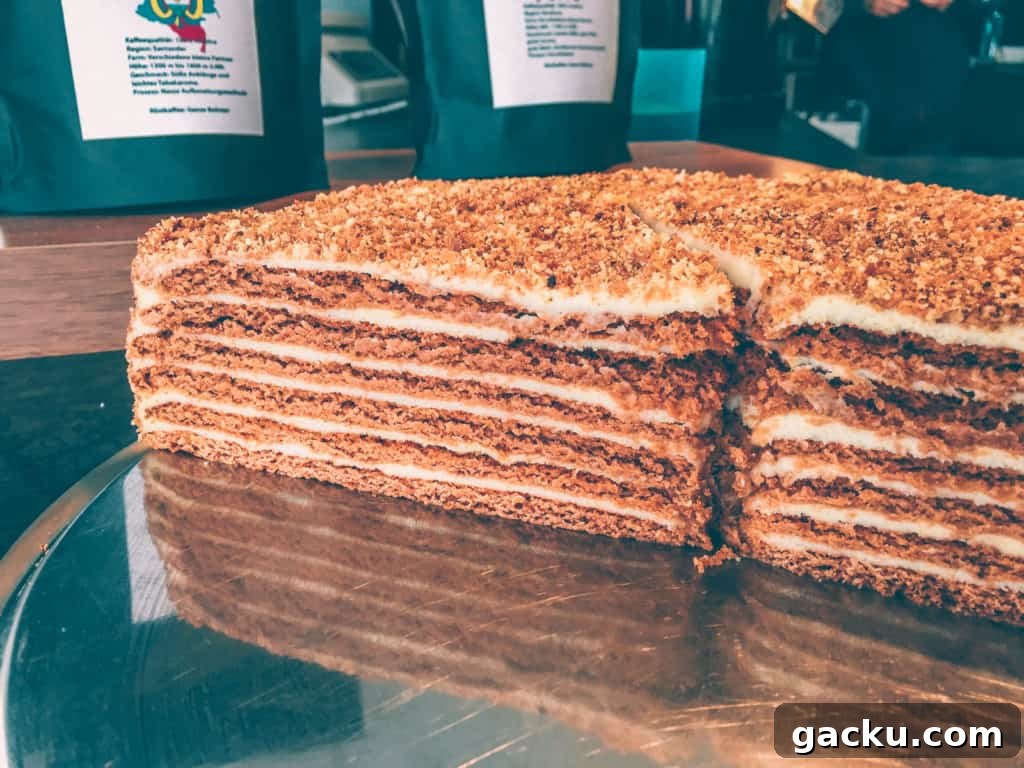
Medovik is a layered honey cake made of multiple thin cake layers separated by a creamy filling, traditionally combining sour cream and sweetened condensed milk. Light, airy and balanced in sweetness, Medovik is a Russian favorite with a rich honey flavor.
Yulia from That’s What She Had
Pin this For Later!
—
*Unless otherwise noted, photos are creative commons or were provided by contributors for use in this article.