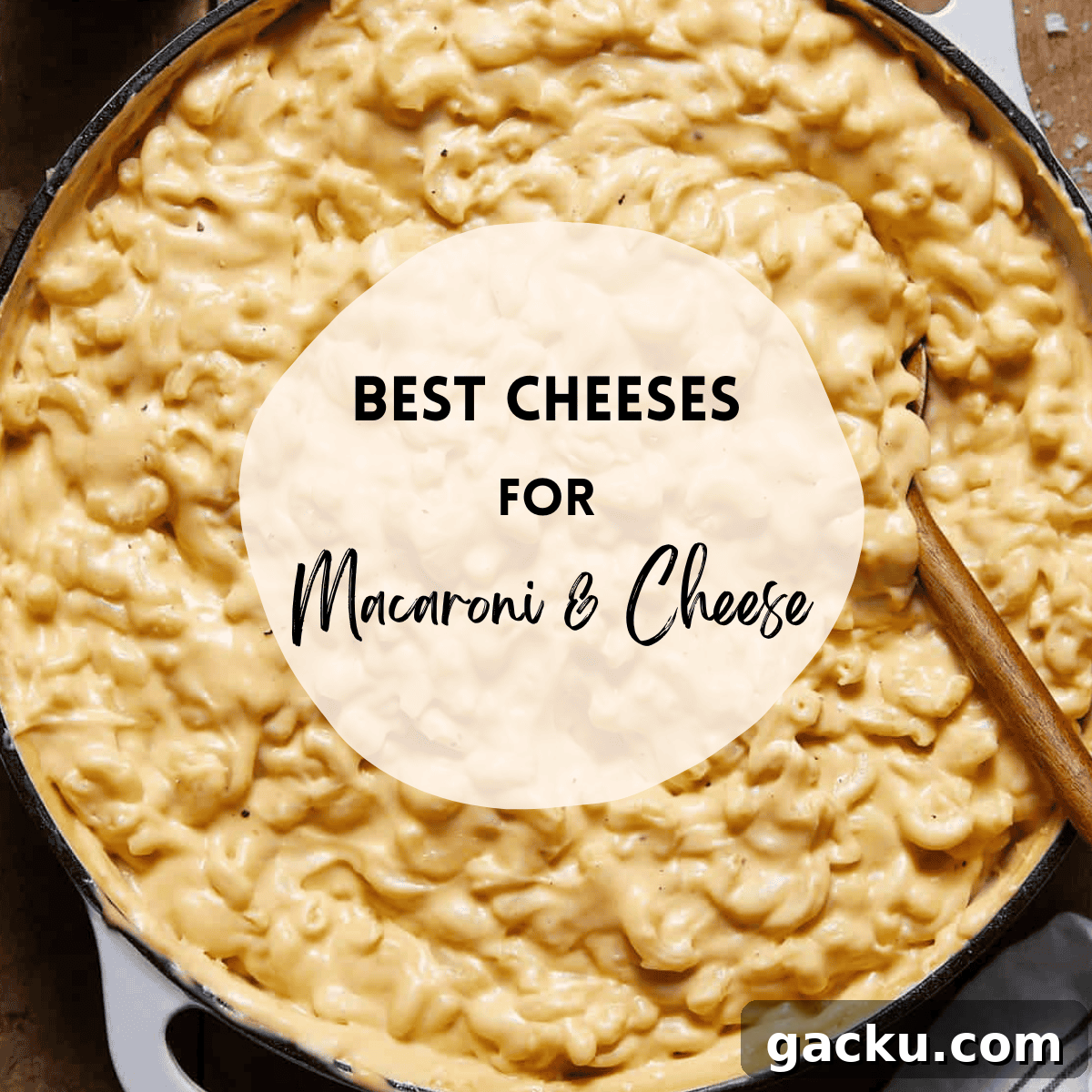
If you’re wondering which cheeses make the best mac and cheese, the short answer is: use a blend. Great macaroni and cheese balances bold flavor with smooth meltability so the sauce stays creamy without becoming greasy or grainy. This guide explains which cheeses melt best, which add the most flavor, and a few combinations that reliably produce rich, silky homemade mac and cheese.
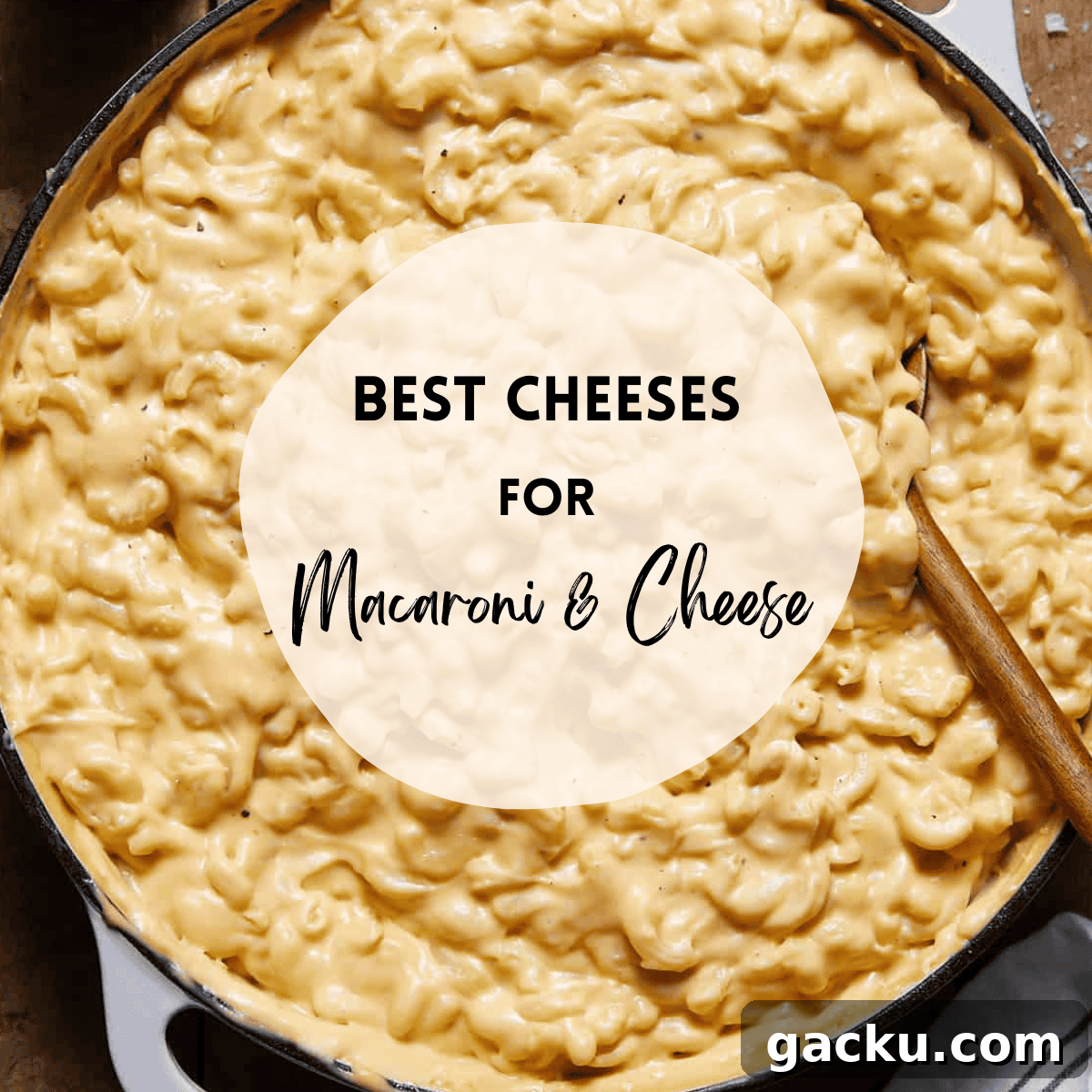
Macaroni and cheese is a classic comfort side, and small changes to the cheese selection make a big difference. Below are the most useful cheeses to keep on hand and how each contributes to texture and flavor. If you like following recipes, there are several variations you can try that highlight different cheese blends.
- Broccoli Mac and Cheese: Creamy and cheesy with tender broccoli.
- Dutch Oven Mac and Cheese: Made with three cheeses for a decadent texture and complex flavor.
- Baked White Cheddar Mac and Cheese: Topped with crispy breadcrumbs for contrast.
- French Onion Mac & Cheese: Combines savory caramelized onions with a rich cheese sauce.
- The Best Homemade Mac and Cheese Sauce: A roux-based sauce that uses evaporated milk and a mix of cheddars, Swiss, and Gruyère for depth and creaminess.
Table of Contents
- Why the Cheese Matters
- The Cheeses
- The Best Cheese Combos for Mac n Cheese
- Cheeses to Avoid in Mac n Cheese
- Conclusion
- More Cooking Resources
Why the Cheese Matters
Not all cheeses behave the same when heated. Some melt into a silky sauce, while others separate, become grainy, or release too much oil. The key to great mac and cheese is pairing cheeses that contribute both smooth meltability and robust flavor. Use one or two cheeses for structure and one for creaminess or finish to achieve a balanced sauce.
The Cheeses
Sharp Cheddar
Sharp cheddar is the backbone of many classic recipes. Its tangy, robust flavor gives mac and cheese its familiar identity. Cheddar doesn’t always melt into a perfectly smooth sauce on its own, so pair it with a softer, creamier cheese like Monterey Jack or young gouda for both flavor and a supple texture.
Gruyère
Gruyère melts beautifully and adds a lightly nutty, slightly sweet complexity. It’s a superb choice for elevating a traditional cheddar sauce without overpowering it. Use Gruyère when you want a richer, more sophisticated flavor profile.
Fontina
Fontina is creamy and buttery with an understated earthiness. It melts smoothly into a velvety sauce, improving mouthfeel and body. Combine Fontina with sharper cheeses to soften their bite while keeping the sauce luxuriously silky.
Gouda (Especially Young Gouda)
Young gouda offers mild, slightly sweet flavor and excellent meltability. It creates a smooth, cohesive sauce that clings to pasta. Smoked gouda can be used for a smoky twist—great with bacon or caramelized onion additions—while young gouda keeps things mellow and creamy.
Monterey Jack
Known for its gooey melt and mild taste, Monterey Jack adds stretch and creaminess without competing with stronger cheeses. It’s a reliable partner for cheddar or Gruyère when you want an elastic, luscious sauce.
Mozzarella (Low-Moisture)
Low-moisture mozzarella is prized for its pull and melt. Its subtle flavor makes it a good secondary cheese in blends. Avoid fresh, high-moisture mozzarella because it releases too much water and can make the sauce thin.
Cream Cheese
Cream cheese adds immediate creaminess and a mild tang that balances richer cheeses. A small amount helps create a smooth, clinging base for the sauce and improves mouthfeel without overwhelming other flavors.
Parmesan
Parmesan doesn’t melt into a velvety sauce by itself, but it contributes umami and a salty, nutty finish. Use grated Parmesan stirred in at the end or sprinkled on top before baking to boost flavor and add a crisp, golden crust.
The Best Cheese Combos for Mac n Cheese
Here are dependable blends that deliver both taste and texture:
- Classic & Creamy: Sharp Cheddar + Monterey Jack + Cream Cheese
- Fancy & Flavorful: Gruyère + Fontina + Parmesan
- Smoky & Bold: Smoked Gouda + Cheddar + Cream Cheese
- Ultra Gooey: Mozzarella + Fontina + Sharp Cheddar
Cheeses to Avoid in Mac n Cheese
Certain cheeses are best left out or used sparingly because they don’t produce a smooth sauce or they overpower the dish:
- Feta or Cotija: Crumbly and do not melt into a smooth sauce.
- Blue Cheese: Very strong; use only a small amount if you want its distinctive tang.
- Brie or Camembert (with rind): Can have an odd texture or flavor unless rind is removed and the cheese is fully incorporated.
Conclusion
The secret to consistently great mac and cheese is blending cheeses that complement each other: a flavorful cheese for depth, a melty cheese for texture, and a finishing cheese for umami or crust. With combinations like cheddar plus Monterey Jack or Gruyère plus Fontina, you’ll get a creamy, luscious sauce that clings to the pasta and delivers both comfort and complexity.
More Cooking Resources
Cooking Resources
Best Meat for Burgers
Cooking Resources
The Best Store-Bought Hamburger Buns for Burgers
Cooking Resources
Best Cheeses To Use For Macaroni & Cheese (for Melting & Flavor)
Summer
Best Toppings for Bratwursts (Condiments & More)
Follow me on social media for more recipes and tips.
Shop my kitchen picks on Amazon.