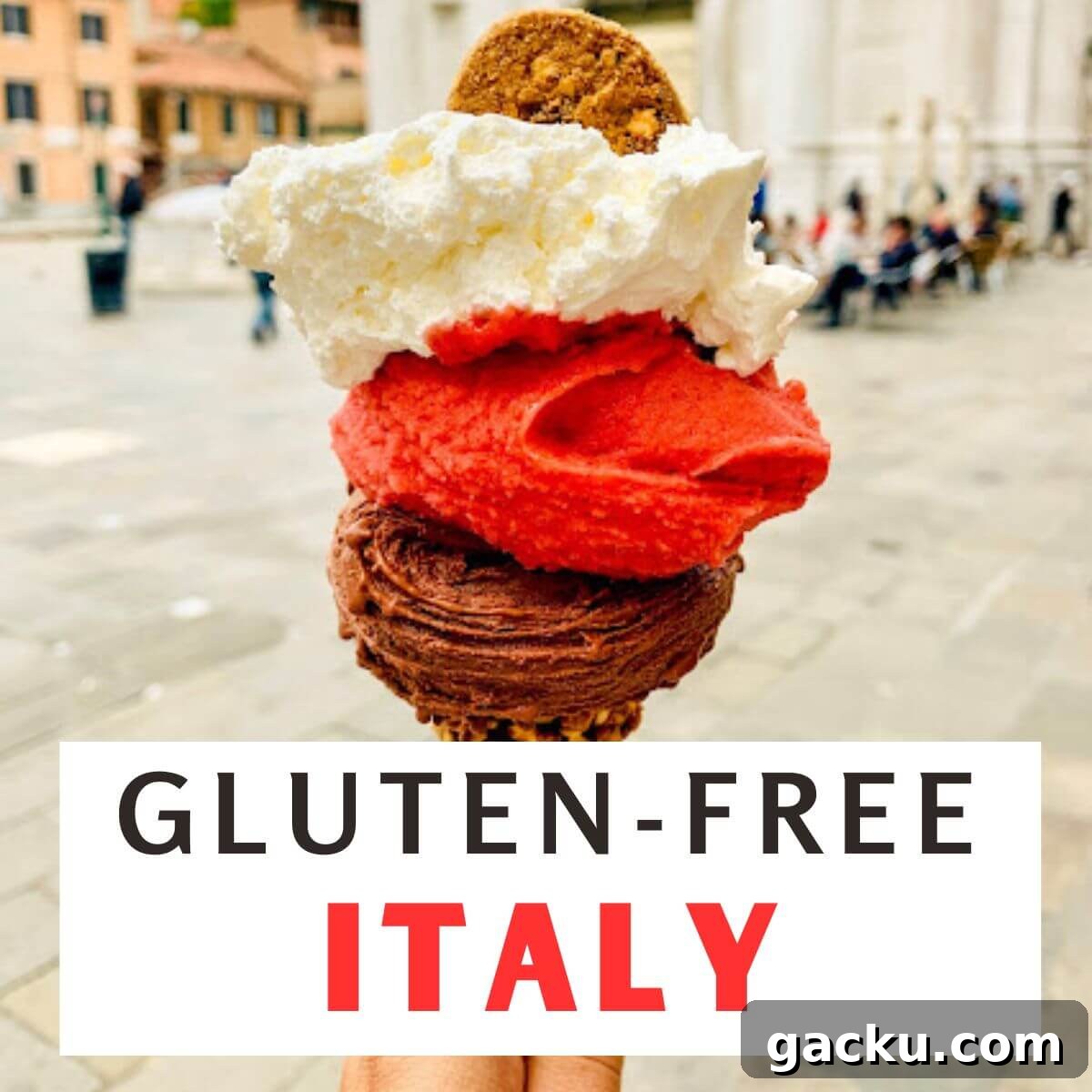
Although Italy is famous for wheat-based foods, it is surprisingly one of the most celiac-friendly destinations in the world.
This gluten-free travel guide to Italy explains why the country is an excellent choice for travelers with celiac disease and how to find safe, delicious gluten-free meals while you explore.
This guide was updated April 2024. Please confirm current travel restrictions and health protocols before you travel.
If you’re visiting Florence specifically, check my dedicated celiac dining guide to Florence.
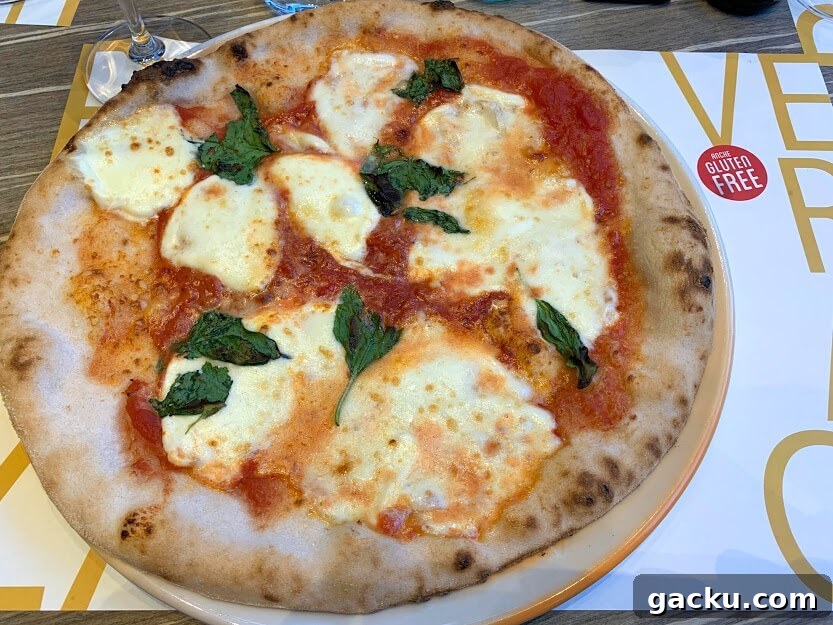
I firmly believe Italy is one of the best places to travel with celiac disease.
I’ve visited Italy both before and after my celiac diagnosis, and I can honestly say I never felt deprived. If Italy has been a dream destination for you but you worried celiac disease would prevent you from enjoying it — think again.
This guide covers why Italy is celiac-friendly, how to locate safe restaurants, tips to avoid cross-contact, and how to communicate if you don’t speak Italian. It also lists top restaurant recommendations in major cities where gluten-free options are most plentiful.
Let’s get started — and enjoy the food!
Italy: A Gluten-Free Travel Guide For Celiacs
Note & disclaimer
Every person’s experience with celiac disease is different. Dedicated gluten-free facilities are generally the safest option, and I recommend restaurants I have visited or that clearly follow celiac-safe protocols. Use your judgment and only eat where you feel safe. Italy enforces strict protocols for gluten-free dining.
- Italy: A Gluten-Free Travel Guide For Celiacs
Celiac Disease in Italy
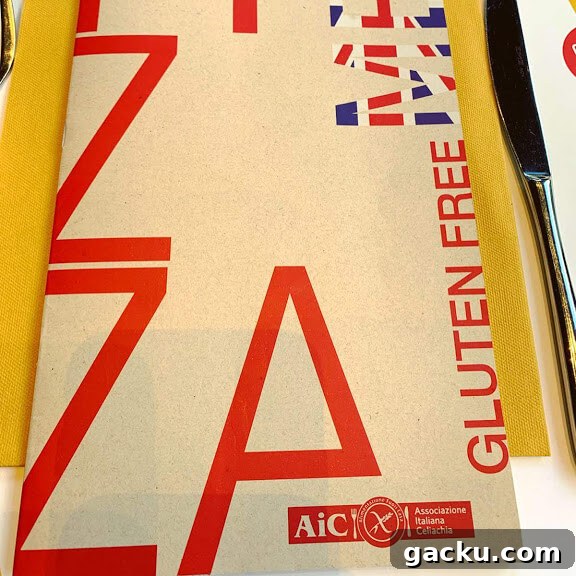
Celiac disease affects approximately 1 in 100 people in Italy, and because food is central to Italian life, awareness and accommodations are widespread—especially in larger cities. The Italian Celiac Association (AIC) has been instrumental in training restaurants and establishing strict standards to protect celiac diners.
After national screening efforts increased awareness, Italy developed quality gluten-free products and policies: some regions even provide grocery vouchers to help patients afford gluten-free foods. Many restaurants must meet specific criteria to advertise gluten-free menus, and some owners maintain separate preparation areas to avoid cross-contact.
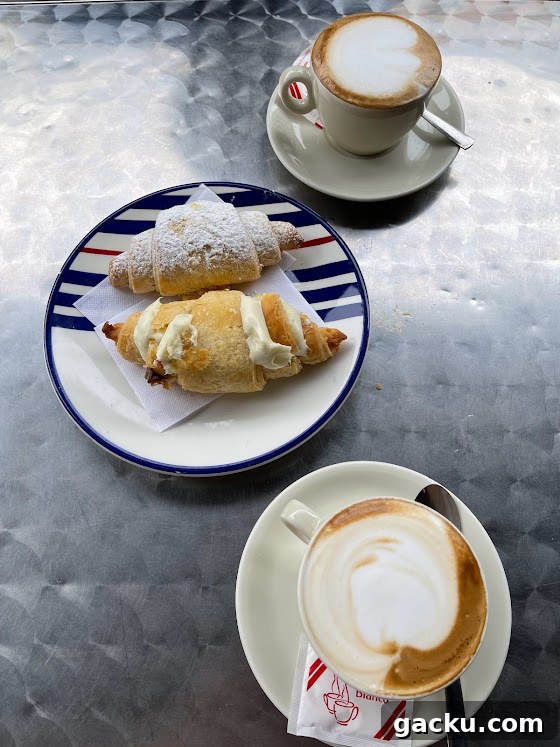
My Experience Pre & Post Celiac
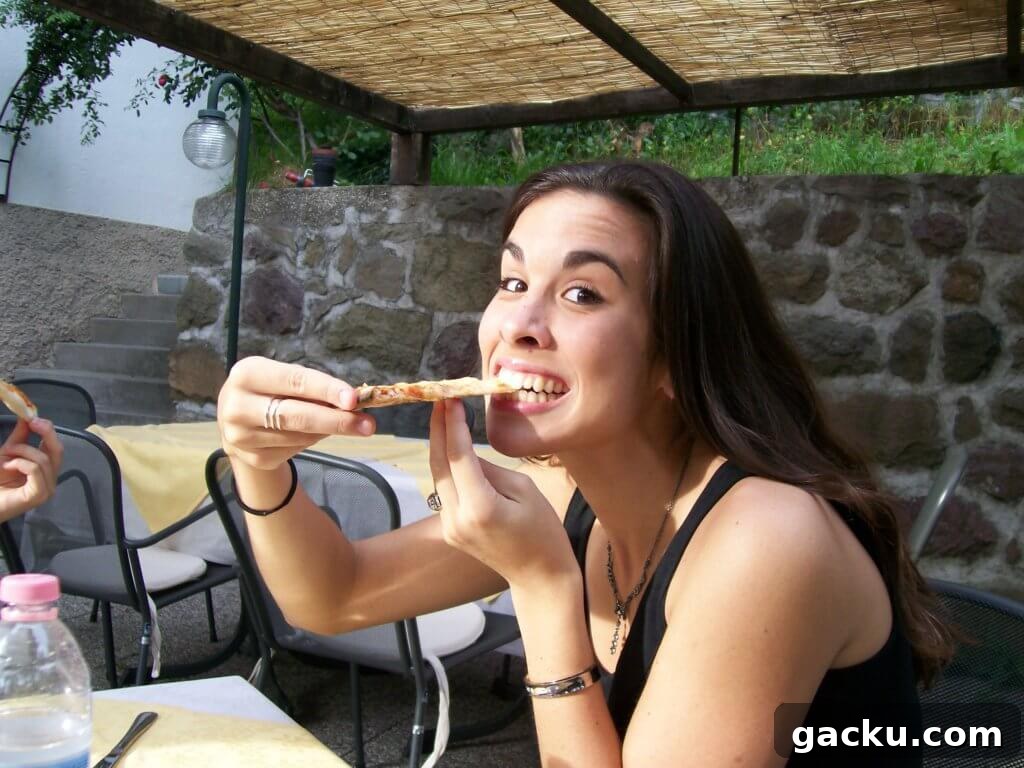
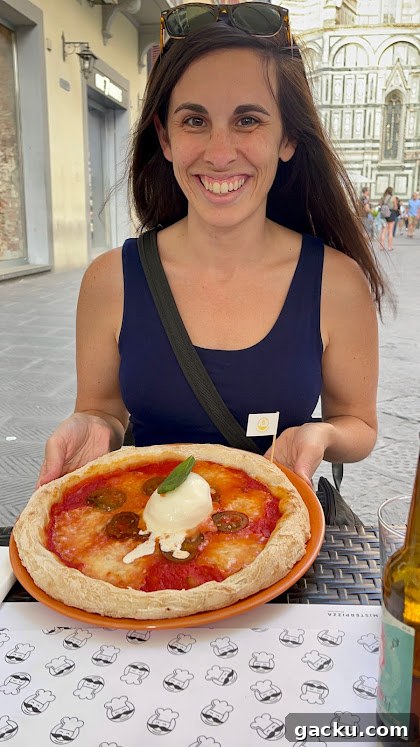
I traveled to Italy many times before being diagnosed with celiac disease and worried I would have to give up visiting. After returning post-diagnosis, I found Italy even more welcoming than I expected. During multiple trips I never experienced cross-contact and enjoyed pizza, pasta, and gelato safely.
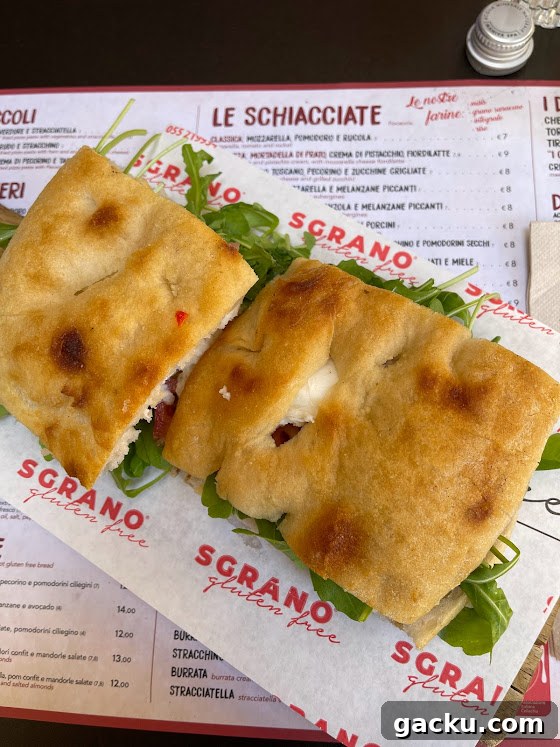
The AIC Mobile App: Your New Gluten-Free BFF
The Associazione Italiana Celiachia (AIC) certifies many restaurants and offers an app with a vetted list of venues that follow celiac-safe procedures. The app provides access to trained restaurants, hotels, stores, and products and is a valuable tool for finding reliable gluten-free options across Italy. AIC-listed venues typically follow strict protocols such as dedicated preparation areas, separate tools, and complete gluten-free menus.
I used the AIC app on recent trips and found it extremely helpful. While general review apps can be useful, the AIC list gives added confidence because the restaurants are trained and recognized by the national celiac association.
Favorite AIC Restaurants
Below are some AIC-listed favorites I’ve visited. This is not exhaustive—many more restaurants appear in the AIC app.
Pizza
La Soffitta Renovatio (Rome) — Near St. Peter’s Square, known for excellent gluten-free pizzas and calzones.
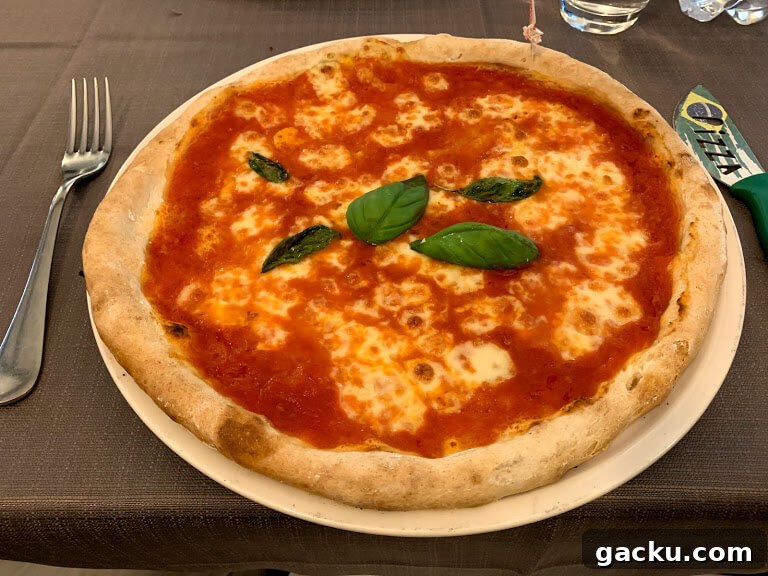
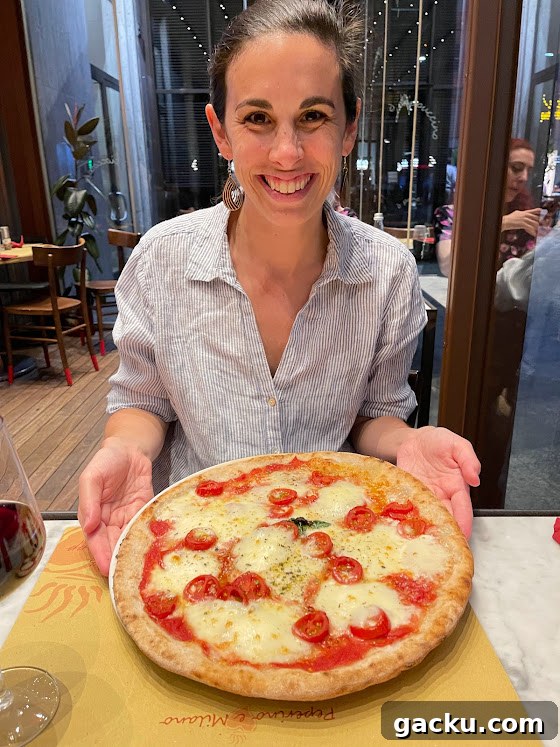
Peperino (Milan) — Neapolitan-style pizzas and pizza fritta with a wide gluten-free menu and lactose-free options.
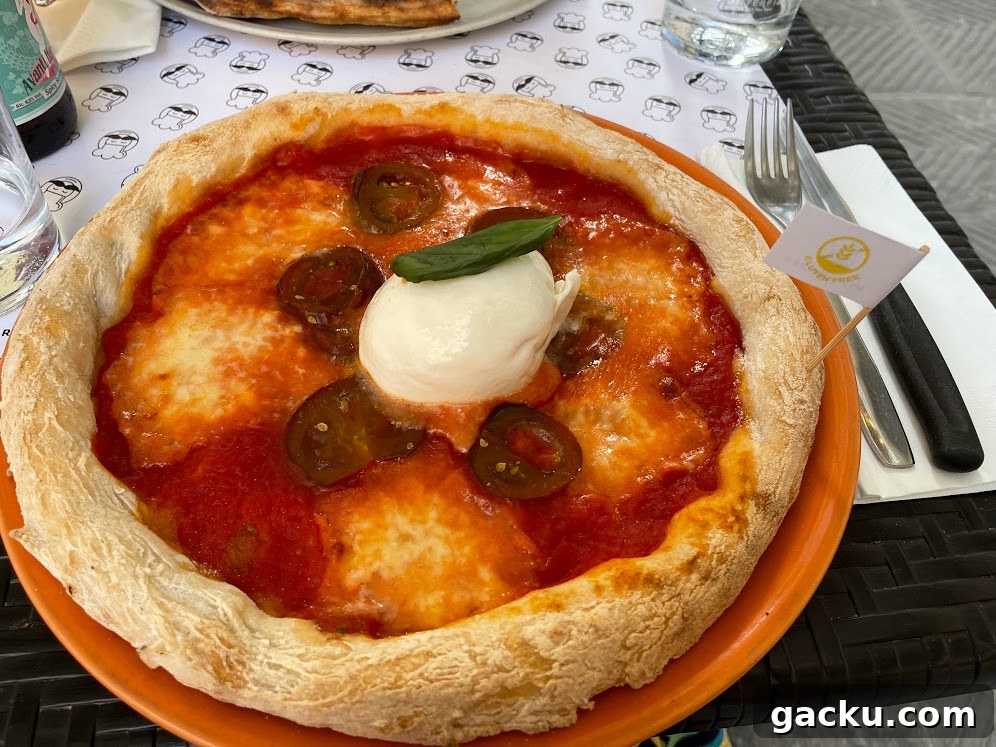
Mister Pizza (Florence & Venice) — Wide allergen labeling, gluten-free pizzas, and lactose-free/vegan cheese options.
Pasta
Mama Eat — Locations in Rome, Naples, Milan, and Florence offering a broad gluten-free menu including memorable pasta and arancini.
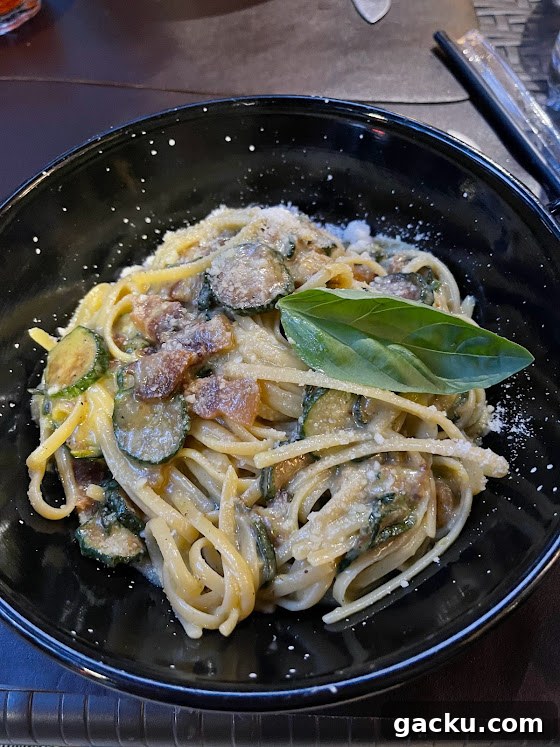
Ciro & Sons — Great pastas and pizzas; clearly labeled gluten-free items make ordering simple.
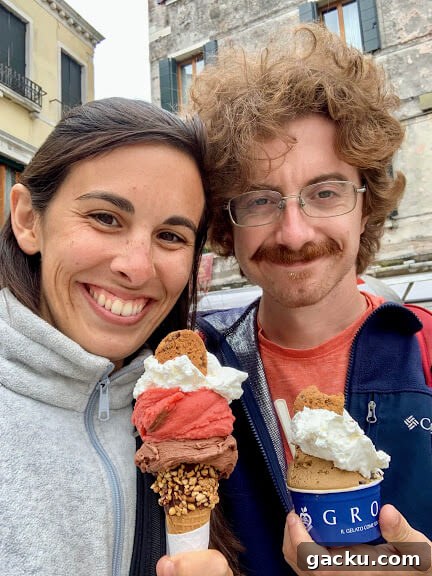
For gelato: GROM
GROM is a popular gelato chain in Italy with many locations offering 100% gluten-free options, including safe cones at select stores. Flavors like fragola (strawberry) and stracciatella are favorites.
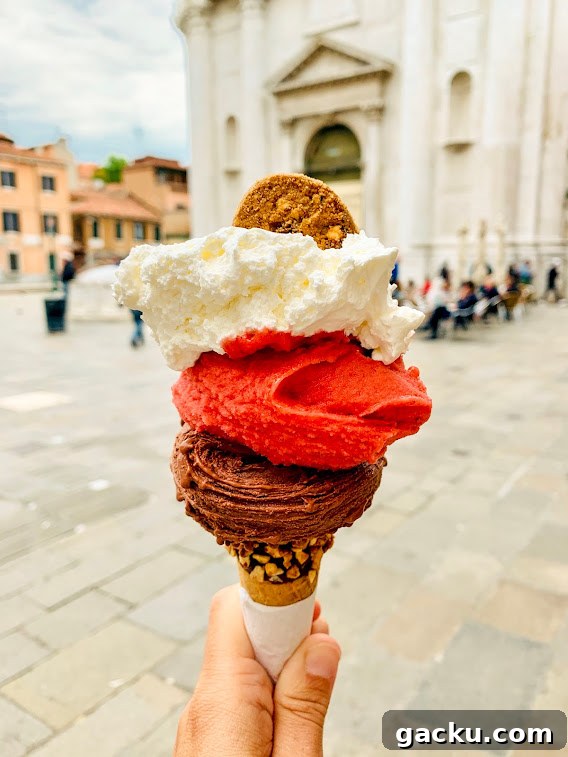
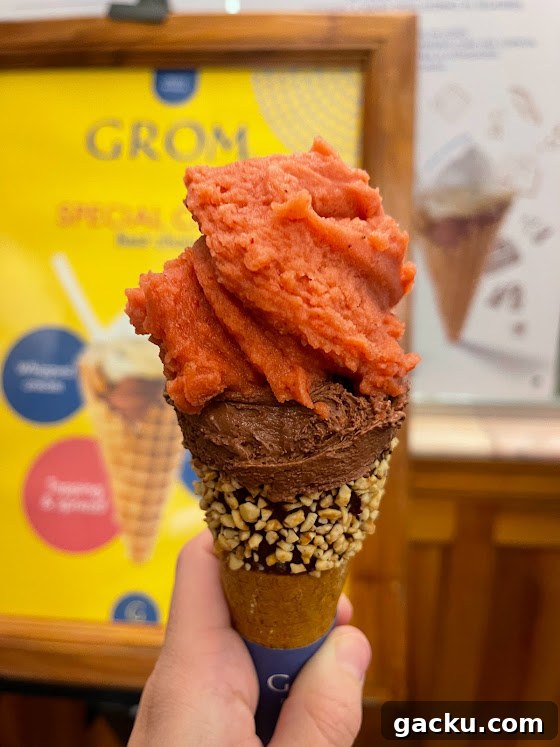
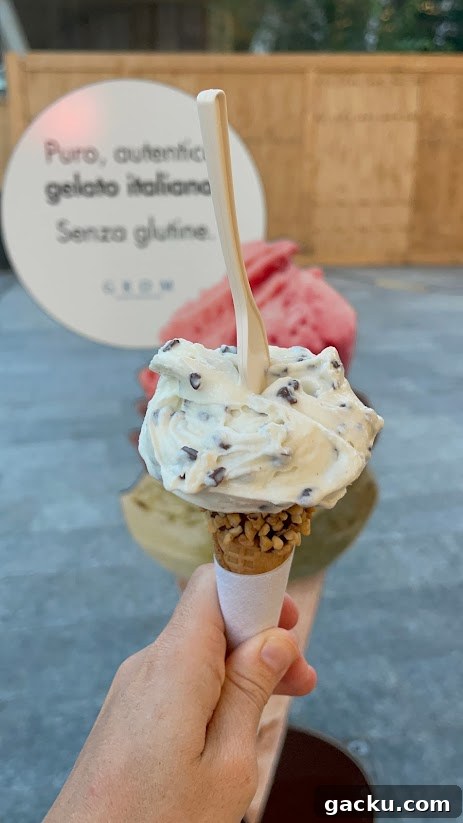
Note: Many Italian gluten-free products contain gluten-free wheat starch, which is safe for most celiac patients but is not suitable for people with a wheat allergy.
Italian Gluten-Free Restaurant Card: Senza Glutine
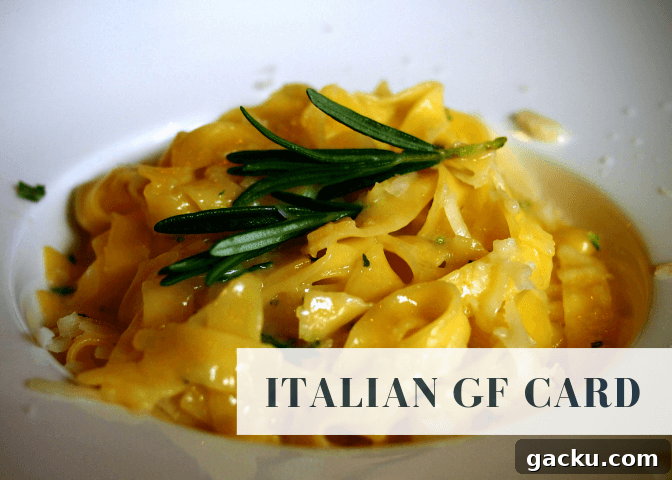
Language can be a barrier when dining out. Carrying an Italian restaurant card that explains celiac disease and lists foods to avoid in Italian helps servers and chefs understand the precautions required to keep you safe. Look for the words “senza glutine” (without gluten) and “celiaca/celiaco” (celiac) on menus and product labels, or use a translated card or app to communicate clearly.
Contact your host about senza glutine
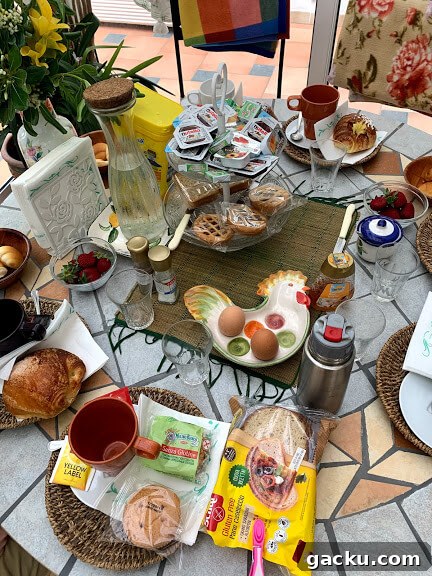
If staying at a hotel, B&B, or Airbnb, message your host in advance to ask about gluten-free accommodations. Many hosts, especially in areas with higher awareness, can provide or source Schär bread, yogurt, fruit, and other safe breakfast items.
Ask about gluten-free options in airport lounges
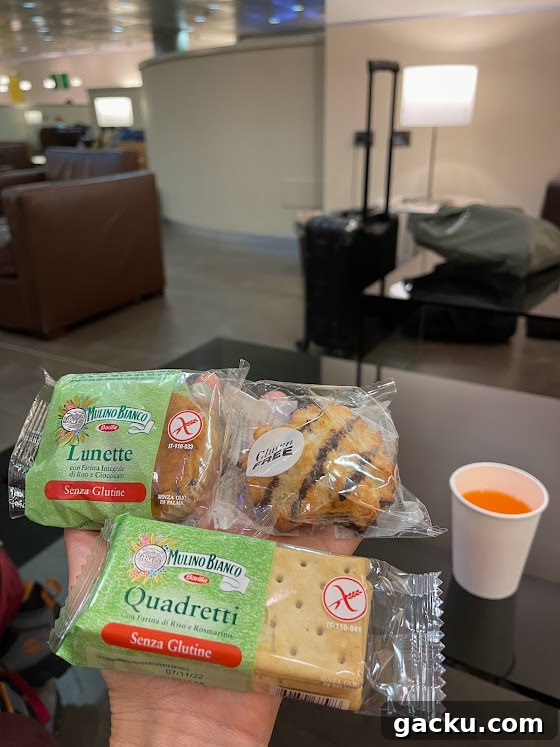
Check airport lounges and terminals for gluten-free options. In some Italian airports, lounges and vendors offer labeled gluten-free snacks. When in doubt, choose naturally gluten-free foods such as fruit, cheese, or packaged items that clearly state “senza glutine.”
McDonald’s is a gluten-free option in Italy
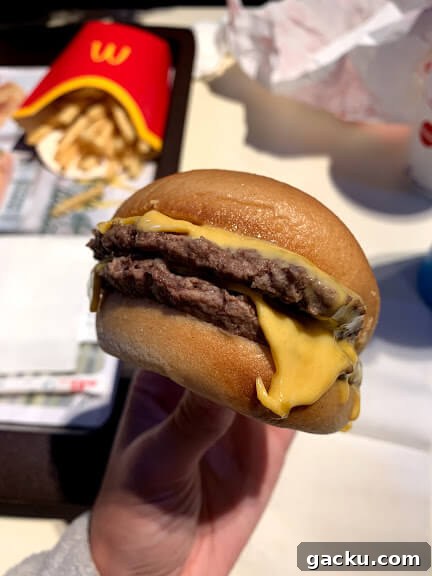
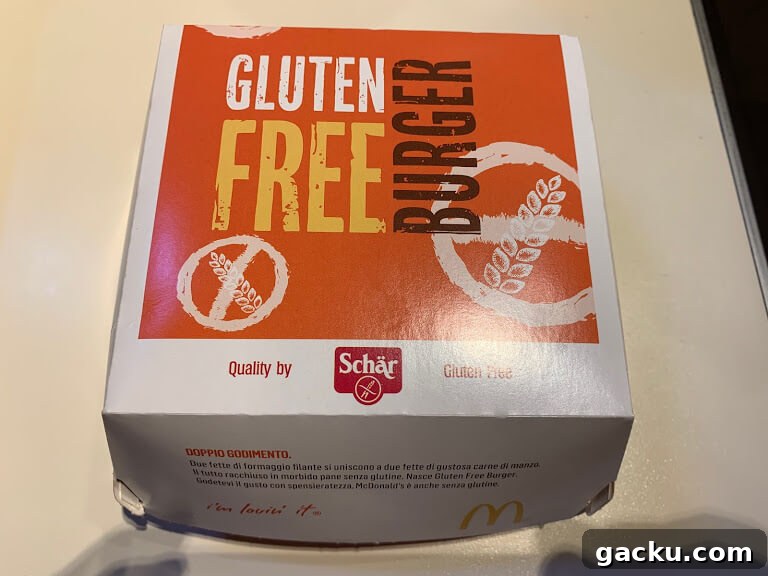
In Italy, some McDonald’s locations offer a gluten-free cheeseburger developed in collaboration with Schär. The burgers are packaged to reduce cross-contact risk, and fries are listed as gluten-free on allergen charts, but cross-contact can still occur. Use caution and ask questions before ordering.
Quick verdict: The burger can be a convenient, safe option in a pinch. Texture may suffer from reheating, but it’s valuable to have a reliable fast-food fallback on busy travel days.
Try the gluten-free products in Italian stores
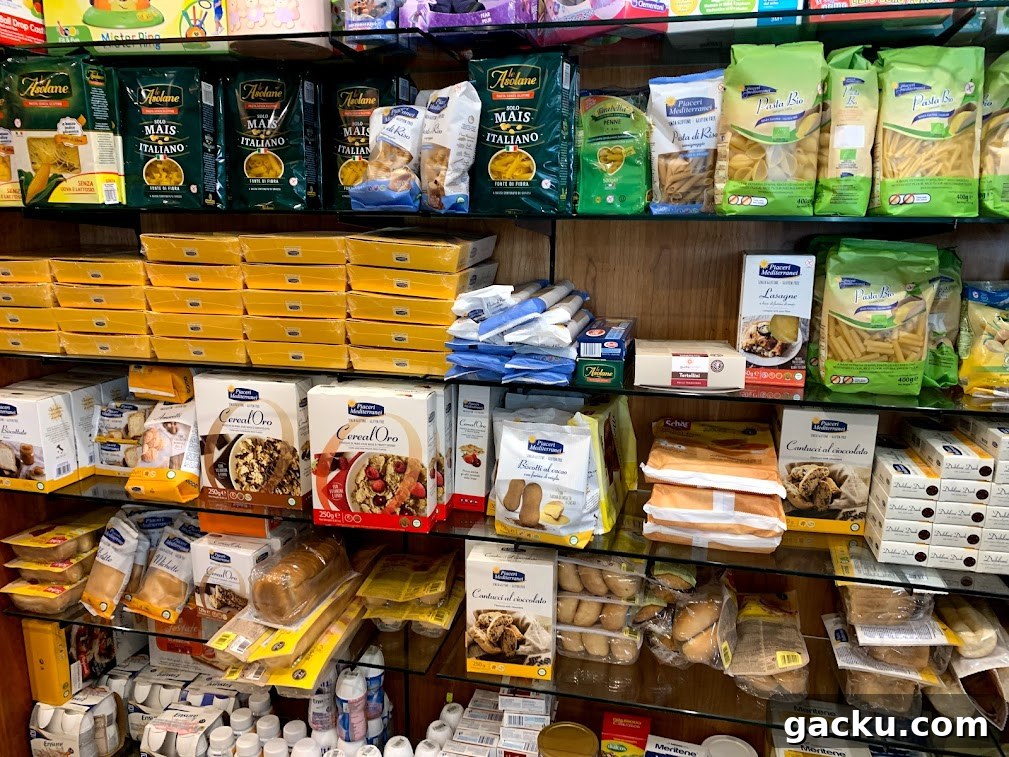
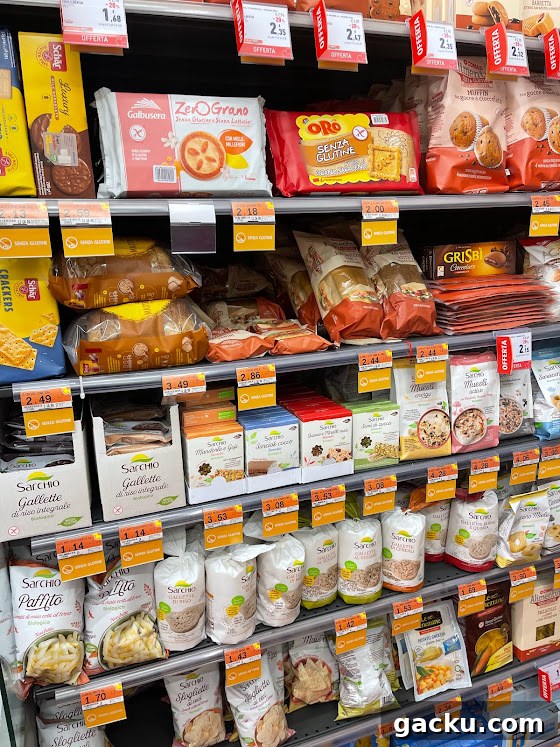
European gluten-free grocery products are often high quality and varied. Look for brands like Schär and shop at supermarkets such as Carrefour, Conad, Coop, Spar, Despar, Lidl, and Aldi. Many stores have dedicated “senza glutine” sections with bread, pasta, crackers, cookies, cereal, and pastries. Pharmacies may carry gluten-free staples too.
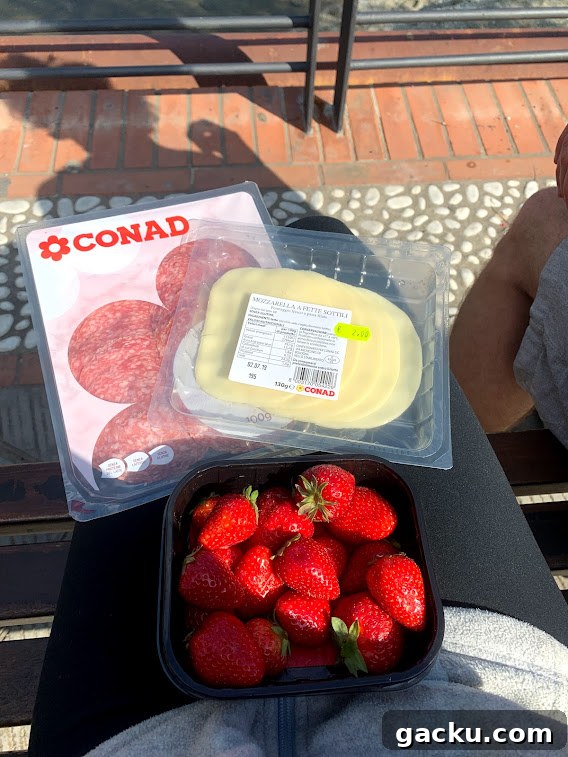
Stock up on snacks and picnic supplies at your first supermarket stop: gluten-free bread, pasta, fresh fruit, and snacks can make on-the-go meals easy and affordable.
Take an Italian gluten-free cooking class
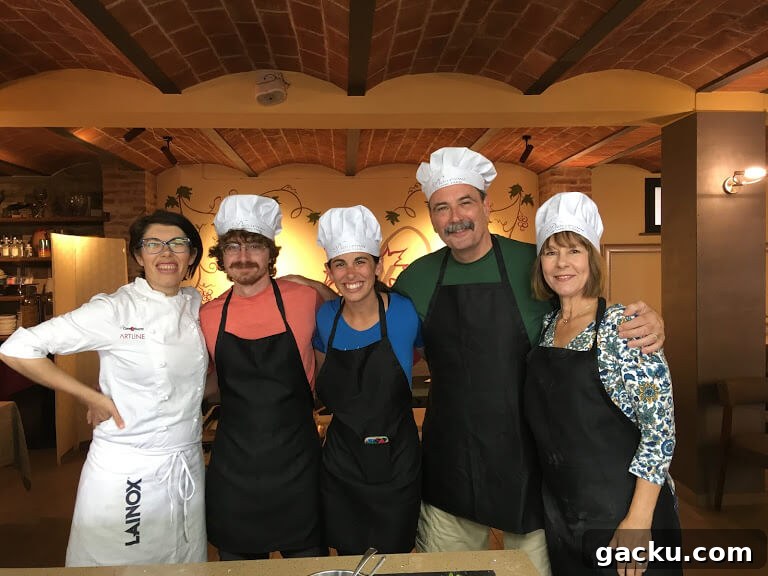
A gluten-free cooking class is a great way to learn ingredients, techniques, and safe preparation methods. Several providers in Tuscany and Florence offer classes tailored to celiac diners, teaching how to make gluten-free pasta and traditional dishes safely. It’s educational and delicious.

Enjoy every minute (and every bite!) of your gluten-free food in Italy!
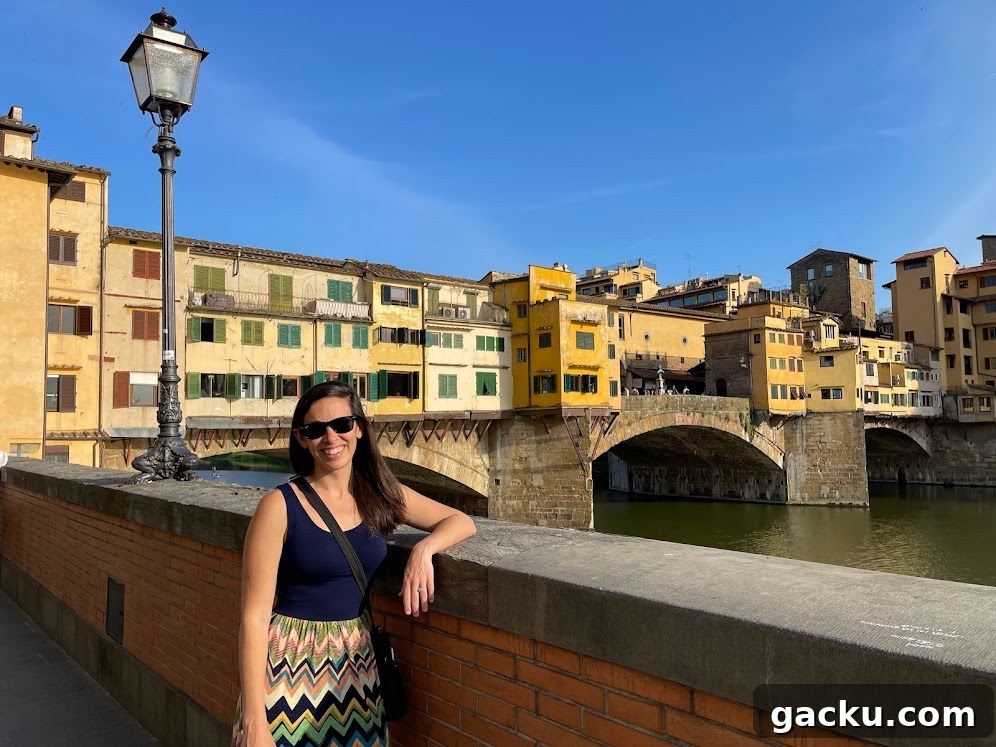
The best advice I can give is to savor every moment and every bite. From gnocchi with pesto to penne al ragù, Margherita pizza, and chocolate gelato—enjoy these experiences knowing Italy has made significant efforts to include celiac diners in its food culture.
When I was first diagnosed I worried I’d never return to Italy. Instead, I came back and found it possible to enjoy my favorite dishes safely. With a bit of planning, you can too.
Italy is accessible, safe, and delicious for travelers with celiac disease—use this guide as a starting point and trust your judgment when choosing where to eat.
Looking for more gluten-free travel posts?
For additional tips on traveling with celiac disease, packing essentials, and destination guides, consult trusted gluten-free travel resources and local celiac associations before your trip.
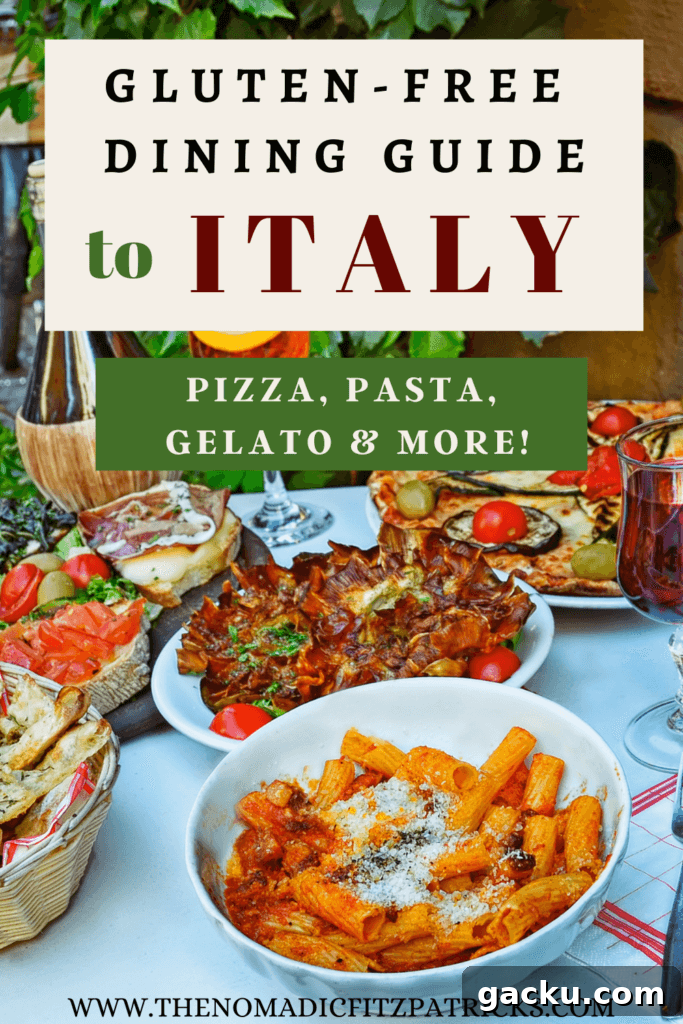
Pin It!
Have you traveled to Italy with celiac disease?
What was your experience like?
Share your thoughts if this gluten-free travel guide to Italy helped you.