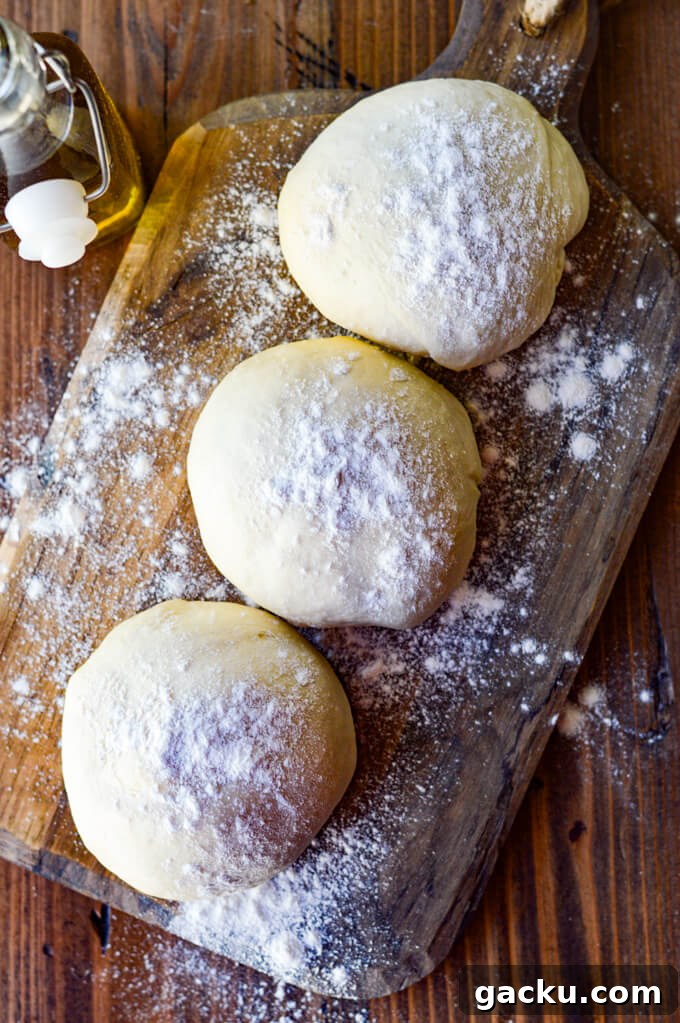
This homemade pizza dough, mixed and kneaded by hand, yields a crust that’s crispy on the outside and satisfyingly chewy inside. It provides a dependable base for any combination of sauces, meats, vegetables, and cheeses. A good crust makes the pizza, and below you’ll find clear tips and steps to build one that consistently performs.
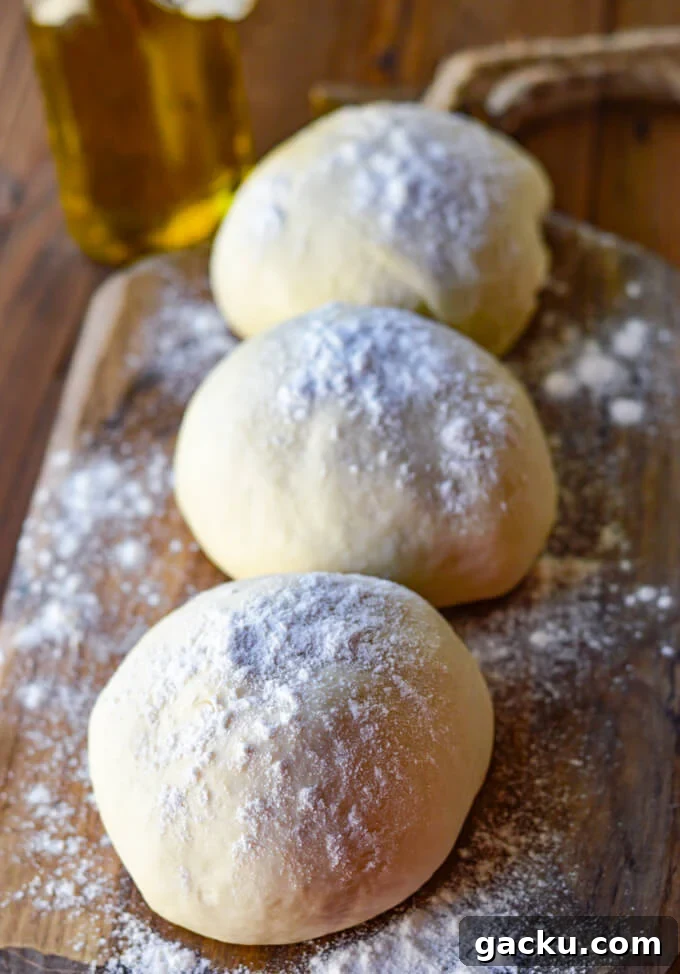
I wrote this to remove the intimidation from making pizza dough at home. I used to think it was difficult and time-consuming, but once you try it you’ll see how straightforward it is. It’s far superior to store-bought mixes and surprisingly simple once you know a few basic techniques.
If you enjoy dough recipes, try my Dinner Roll Recipe for light, fluffy, golden rolls that are equally easy to make.
Why this Homemade Pizza Dough works so well
Crispy exterior, chewy interior. A few small choices—flour type, water temperature, and kneading—make a big difference in the final texture. These steps come from both experience and a bit of testing.
Only five basic ingredients. Bread flour, active dry yeast, sugar, salt, and olive oil are all you need. That simplicity keeps the recipe affordable compared with premade crusts or delivery.
Fun and family-friendly. Pizza dough is a great activity for kids and adults alike. Let everyone shape and top their own ball of dough for a relaxed, hands-on meal.
Step-by-step Instructions
Step 1 – Activate the yeast
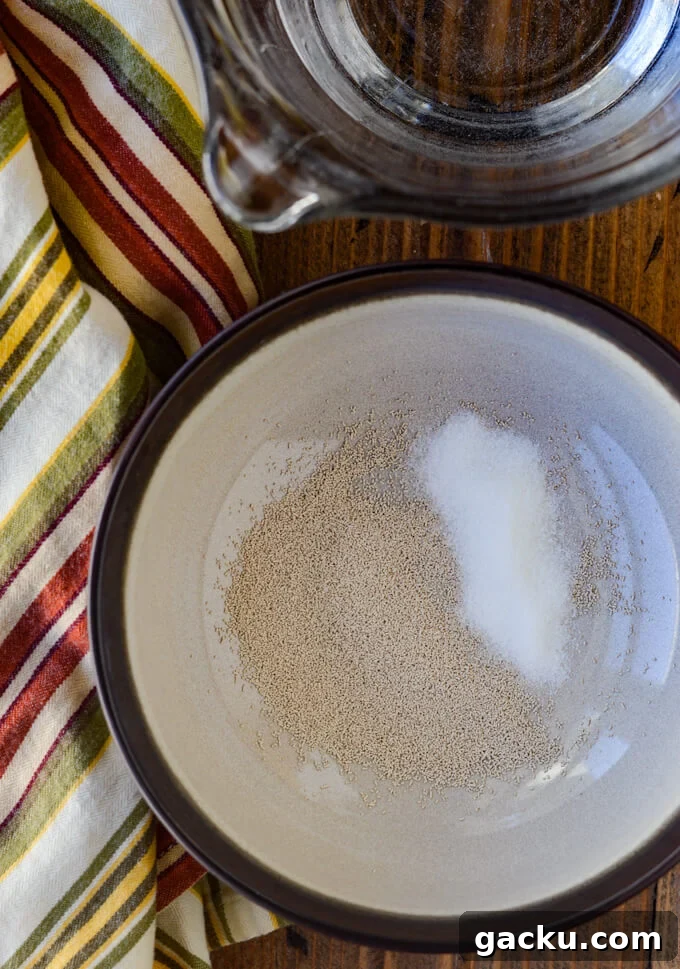
Yeast gives the dough its rise and airiness. In a small bowl, combine one packet of active dry yeast with 1 teaspoon sugar. Add 1 1/4 cups lukewarm water (about 105°–110°F) and stir until dissolved. Place the bowl somewhere warm—an off oven or microwave works—and let it sit for about 10 minutes. When active, the mixture will be foamy and appear to have grown. If there is no foam after 10 minutes, the yeast is likely inactive and should be replaced.
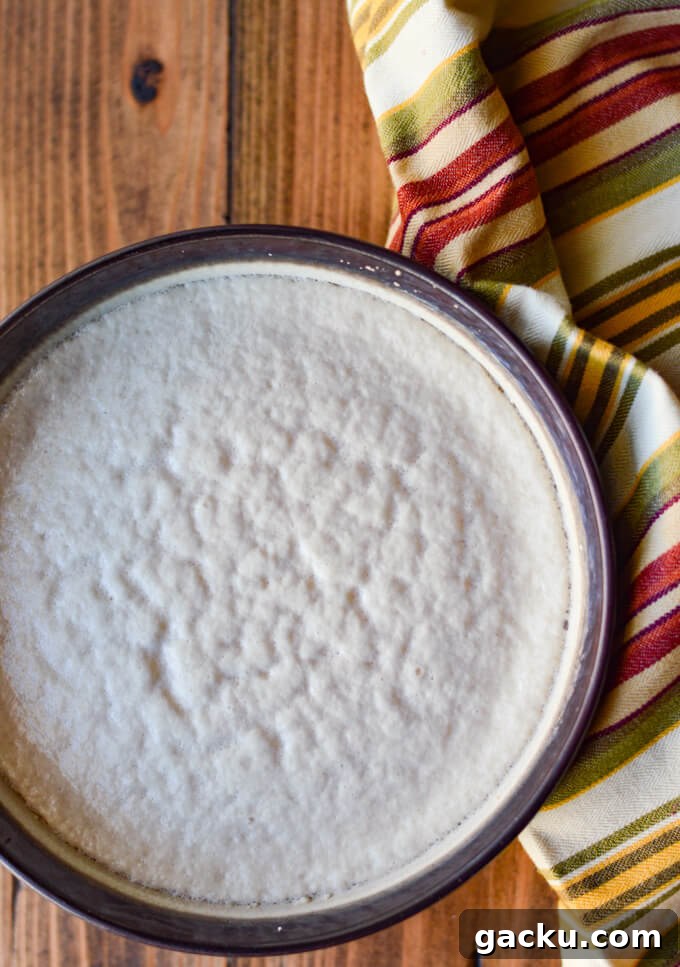
Sugar feeds the yeast and helps it activate; a teaspoon is sufficient. You can substitute honey or maple syrup if preferred. Always check the yeast’s expiration date—old yeast won’t perform well.
Step 2 – Mix the ingredients
Whisk together 3 cups bread flour and 1 1/2 teaspoons kosher salt in a large bowl. Make a well in the center, pour in the activated yeast mixture and 2 tablespoons olive oil, then stir with a wooden spoon until combined. The dough will be slightly sticky at this stage; that’s normal.
- Best flour: Bread flour is recommended because its higher protein content produces more gluten, giving the dough a stretchy, chewy structure.
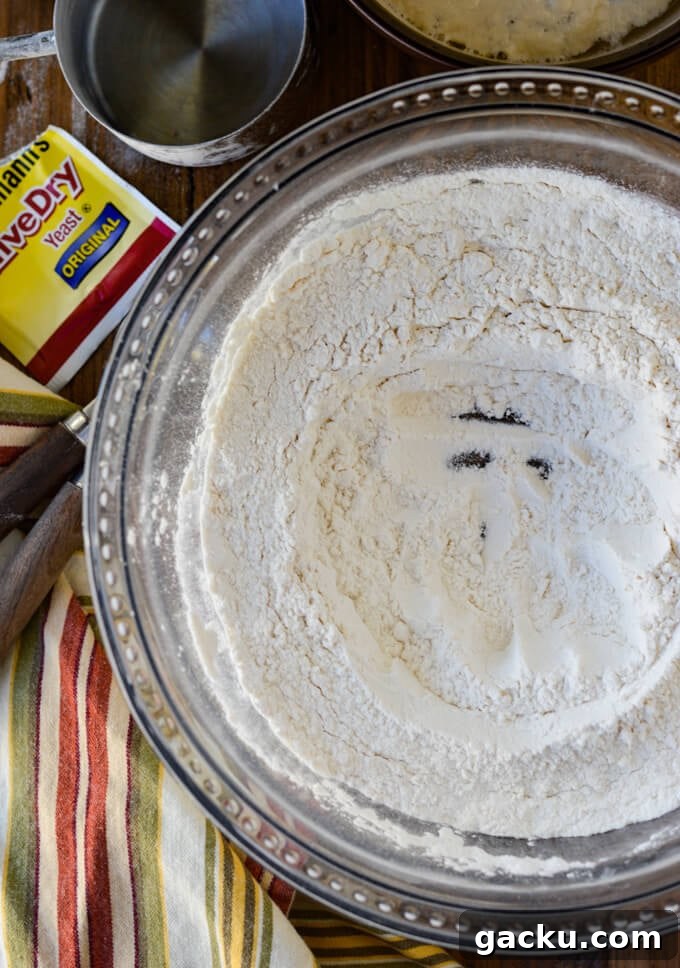
Step 3 – Knead by hand
You can knead with a stand mixer, but working the dough by hand is satisfying and helps you learn its feel. Lightly flour a work surface and turn the dough out. With the heels of your hands, push the dough away, fold it back toward you, rotate 90 degrees, and repeat. Add a little flour if it’s too sticky. Knead for 3–5 minutes until the dough feels smooth and slightly elastic.
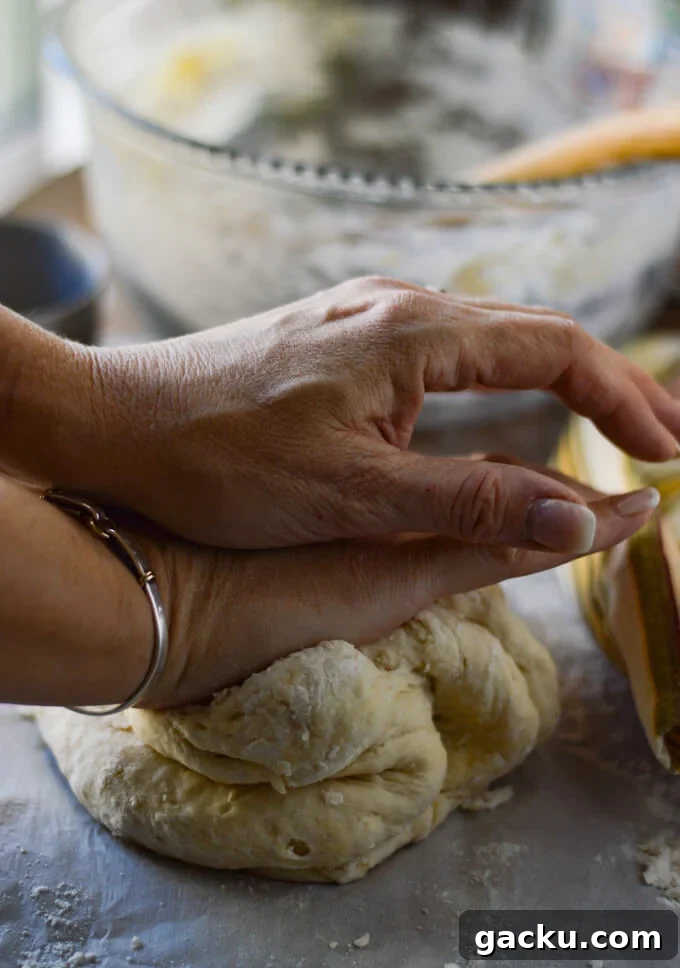
Step 4 – Let the dough rise
Lightly oil a large bowl and place the dough ball inside, rolling it so the surface is coated with oil. Cover with a clean dish towel and set in a warm spot to rise for about 1–1 1/2 hours, until doubled in size. A microwave or an oven warmed to 170°F and then turned off for 10 minutes makes a good warm environment.
If you won’t use the dough right away, cover it with plastic wrap and refrigerate for up to 3 days. Bring it to room temperature for about an hour before shaping. For longer storage, wrap tightly and freeze for up to three weeks; thaw in the fridge a day before use and then bring to room temperature.
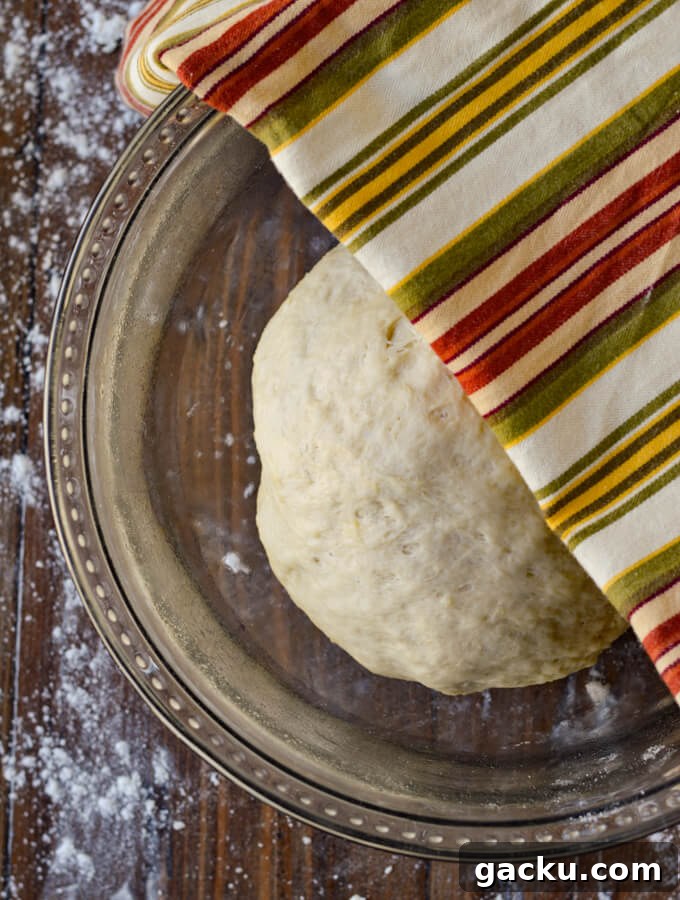
Step 5 – Shape the pizzas
After rising, divide the dough into the number of pizzas you plan to make (this recipe yields about three medium crusts). Flour your surface and either roll each ball with a pin from the center outward or gently stretch by hand until you reach the desired thickness. A rustic, imperfect shape is part of the charm.
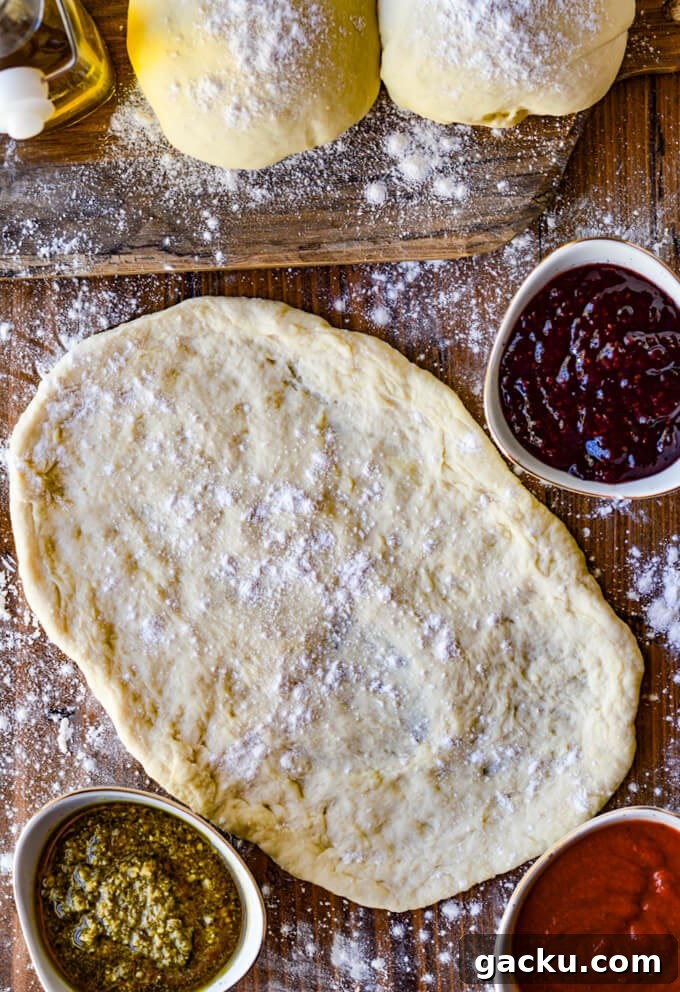
Step 6 – Bake with your toppings
Preheat the oven to its highest setting—550°F if available. A pizza stone is recommended because it stores and transfers heat evenly, producing a crisp bottom crust. Preheat the stone while the oven heats. Sprinkle a little cornmeal on the stone or on your peel to prevent sticking, then place the prepared dough on it (or assemble the pizza on parchment and slide it onto the stone).
Bake 10–20 minutes depending on oven temperature and thickness, until the crust is golden and the cheese is bubbly.
Three pizza ideas to try
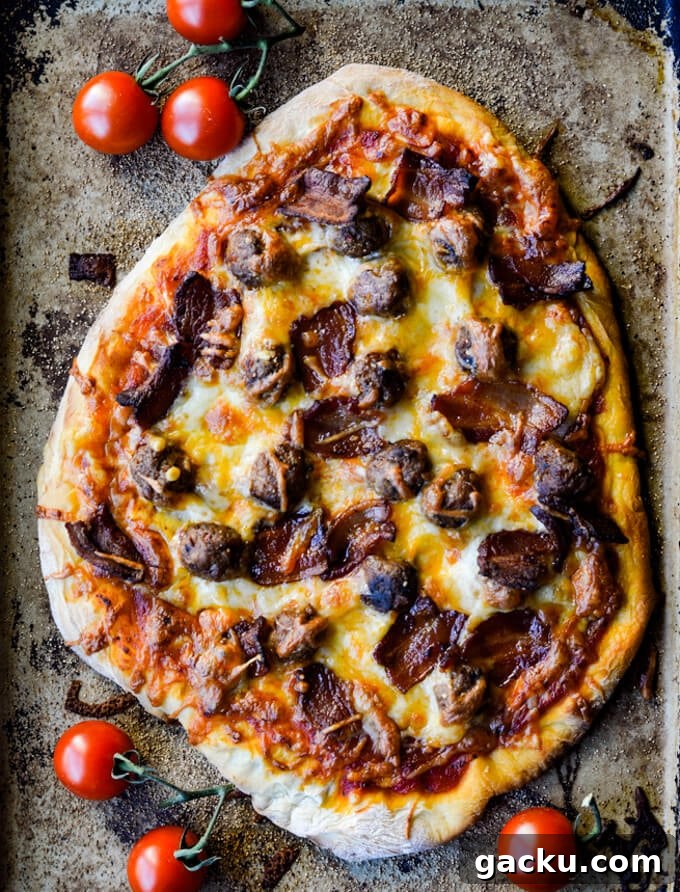
Meat Lovers
This dough makes three medium pizzas—perfect for sharing. Top one with pepperoni, sausage, bacon, and plenty of cheese for a classic meat-lovers pie.
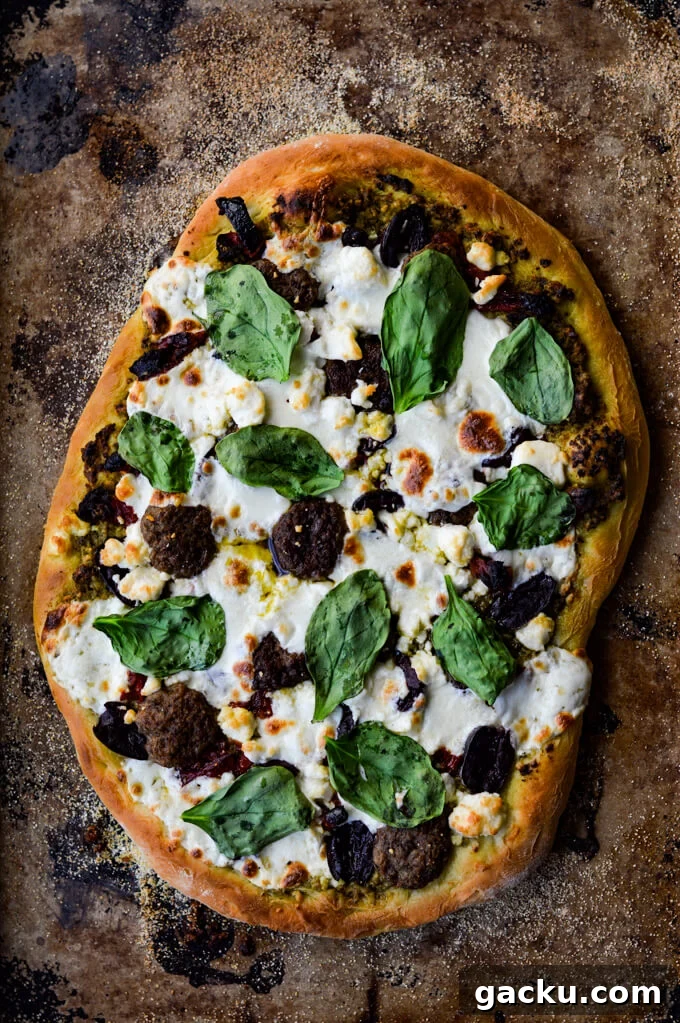
Mediterranean with pesto
For a gourmet option, try pesto as the base with lamb sausage, kalamata olives, sun-dried tomatoes, fresh mozzarella, feta, and spinach for bright Mediterranean flavors.

Chicken with raspberry-jalapeño sauce
For a sweet-heat twist, top dough with a raspberry-jalapeño sauce, shredded chicken, caramelized onions, dollops of goat cheese, and fresh cilantro after baking.
Host a pizza party
Make individual dough balls and set up a toppings station. Everyone can roll out and design their own pizza for a relaxed, interactive meal.
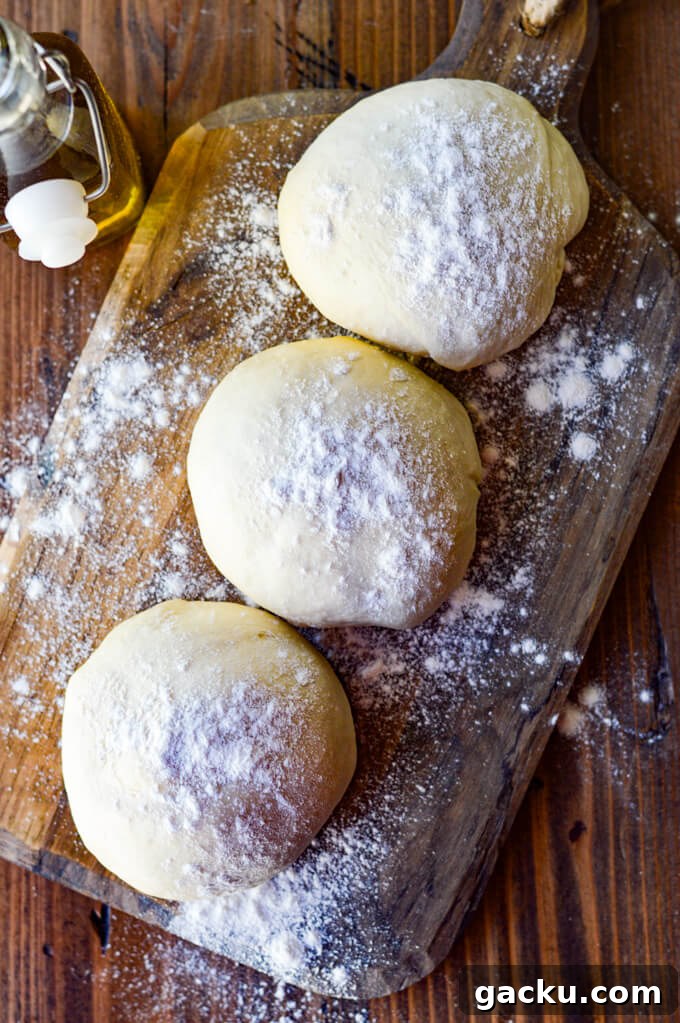
There is nothing like the smell of homemade pizza filling the house. This basic dough recipe is a reliable foundation for countless variations—experiment with toppings and enjoy the results of your work.
Crispy and Chewy Homemade Pizza Dough Recipe

This hand-made pizza dough produces a crust that is both crispy and chewy, providing a foolproof base for a wide range of toppings.
- Author: Kristy Murray
- Prep Time: 15 minutes (not including rising time)
- Cook Time: 10–15 minutes
- Total Time: 2 hours (including rising time)
- Yield: 3 medium pizza crusts
- Category: Pizza
- Method: Oven
- Cuisine: American
Ingredients
- 1 package dry active yeast
- 1 teaspoon granulated sugar
- 1 ¼ cups lukewarm water
- 3 cups bread flour
- 1 ½ teaspoons kosher salt
- 2 tablespoons olive oil, plus extra for the bowl
- Cornmeal, for sprinkling on the pizza stone
Instructions
- In a small bowl, combine the yeast and sugar. Add lukewarm water and stir until dissolved.
- Set the bowl in a warm place and let sit 10 minutes until foamy.
- Whisk flour and salt in a large bowl. Make a well and add the yeast mixture and olive oil.
- Stir with a wooden spoon until combined. The dough will be slightly sticky.
- Turn onto a floured surface and knead 3–5 minutes until smooth and elastic.
- Oil a large bowl, place the dough inside, and coat the surface with oil.
- Cover with a dish towel and let rise in a warm place for 1–1 ½ hours, until doubled.
- Preheat the oven to its highest setting (550°F preferred) and place pizza stones inside to preheat.
- Divide the dough into the number of pizzas you plan to make.
- On a floured surface, roll or stretch each dough ball to the desired thickness.
- Sprinkle the preheated stone with cornmeal, add the dough, and top as desired.
- Bake 10–20 minutes until the crust is golden and cheese is bubbly.
Notes
- Use water around 105°–110°F to activate yeast—lukewarm to the touch.
- A teaspoon of sugar helps activate the yeast; honey or maple syrup can substitute.
- Check yeast is not expired; inactive yeast will not foam.
- Bread flour yields more gluten and a chewier crust than all-purpose flour.
- Knead with the heels of your hands: push away, fold toward you, rotate, and repeat.
- For a warm rising spot, use a microwave or an oven warmed to 170°F and then turned off.
- Refrigerate kneaded dough up to 3 days or freeze tightly for up to 3 weeks; thaw in the fridge before use.
- Higher oven temperatures produce a better crust; use a pizza stone if you have one and preheat it with the oven.
- Use a little cornmeal on the stone or peel to prevent sticking.
Nutrition
- Serving Size: ⅓ of pizza crust
- Calories: 267
- Sugar: 1 g
- Sodium: 280 mg
- Fat: 5 g
- Protein: 8 g