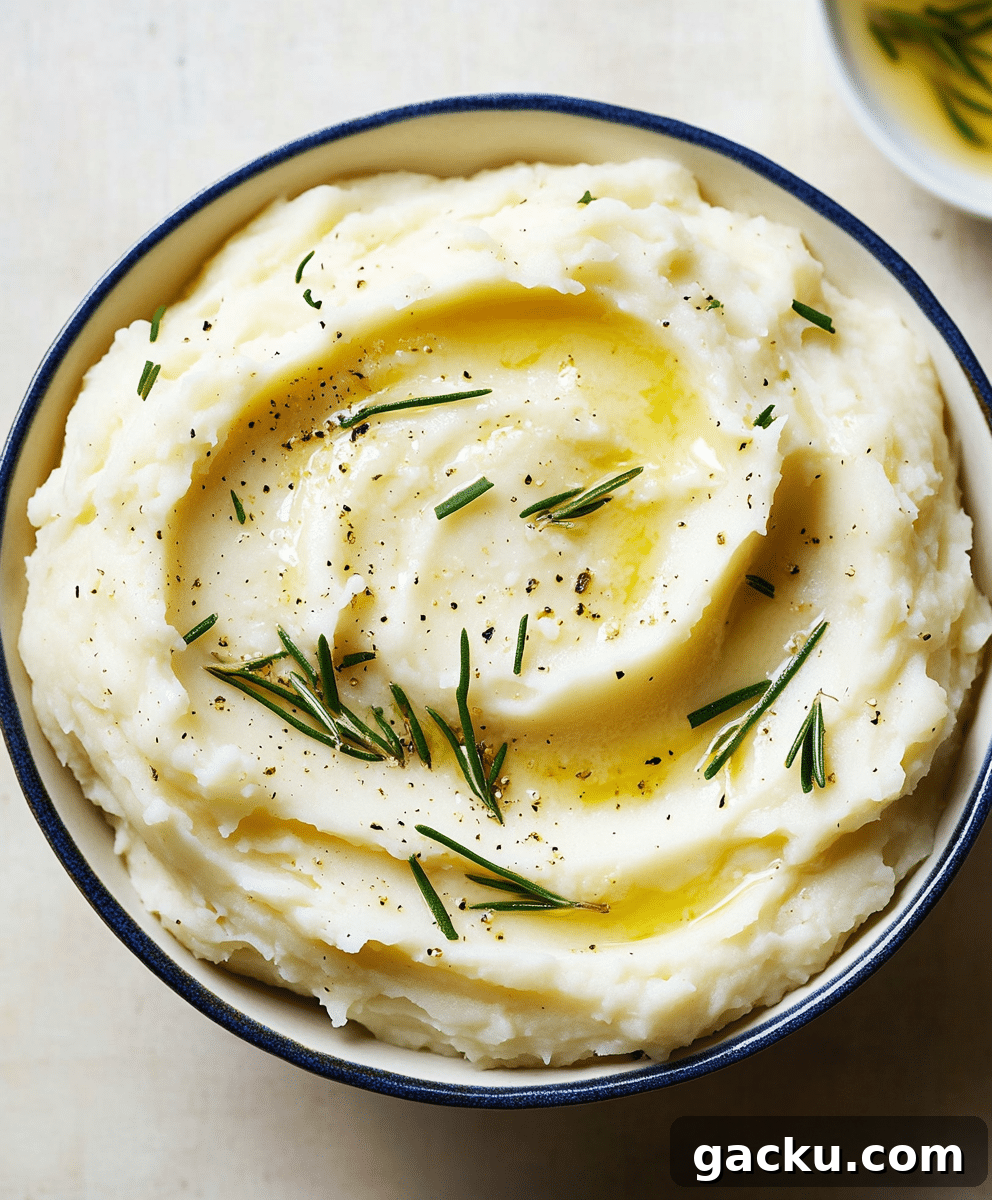
There’s something irresistible about mashed potatoes. They’re the ultimate comfort food—welcome at holiday feasts and weeknight dinners alike when you want warm, buttery satisfaction. But traditional mashed potatoes can feel a little predictable. These cream cheese mashed potatoes change that. With one small addition, they become luxuriously creamy and velvety, with a subtle tang that lifts the flavor and texture to something special.
I discovered the magic of cream cheese in mashed potatoes a few years ago by accident. While finishing preparations for a family dinner, I reached past the milk and butter and found a forgotten block of cream cheese. Short on butter and feeling adventurous, I added it to the mash. The result was astounding: smoother, richer potatoes with a gentle tang that balanced the richness. Since then, I always add cream cheese—this version has become my go-to upgrade.
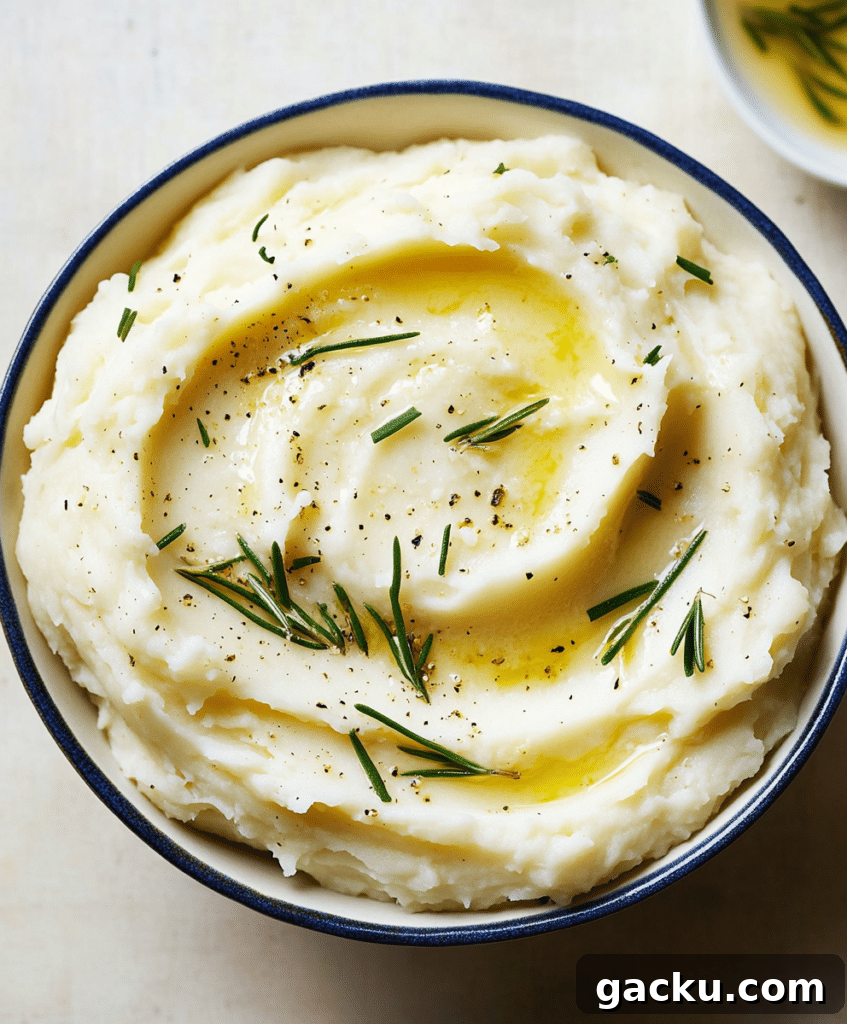
A small tweak with big results
The secret is simple: cream cheese. It gives mashed potatoes a silkier mouthfeel and a hint of tang that regular butter and milk alone can’t deliver. The texture becomes richer and smoother while remaining comforting. Once you try this, the classic version will feel like a distant memory.
How I stumbled upon perfection
Mashed potatoes were always a holiday staple in my family. A few years back I ran out of heavy cream and grabbed cream cheese as a substitute. I worried it might make the potatoes too thick, but the opposite happened—the cream cheese melted into the hot potatoes and made them unbelievably smooth. Now it’s a family favorite, and I’m frequently asked to bring these to gatherings.
Ingredients: what matters and simple swaps
The right ingredients make the difference between good and exceptional mashed potatoes. Here’s what I use:
- Russet potatoes: Starchy and ideal for a fluffy mash. Yukon Golds are a fine substitute and will yield a creamier, denser result.
- Cream cheese: The defining ingredient—adds creaminess and a mild tang. Sour cream or Greek yogurt can work in a pinch but won’t match the silky texture.
- Butter: Salted butter deepens the flavor. Use unsalted if preferred, and adjust salt at the end.
- Whole milk: For best richness, use whole milk. 2% works if you want a lighter version; avoid skim for this recipe.
- Kosher salt & black pepper: Season to taste. Kosher salt brings out the potato flavor and freshly cracked black pepper adds the right amount of bite.
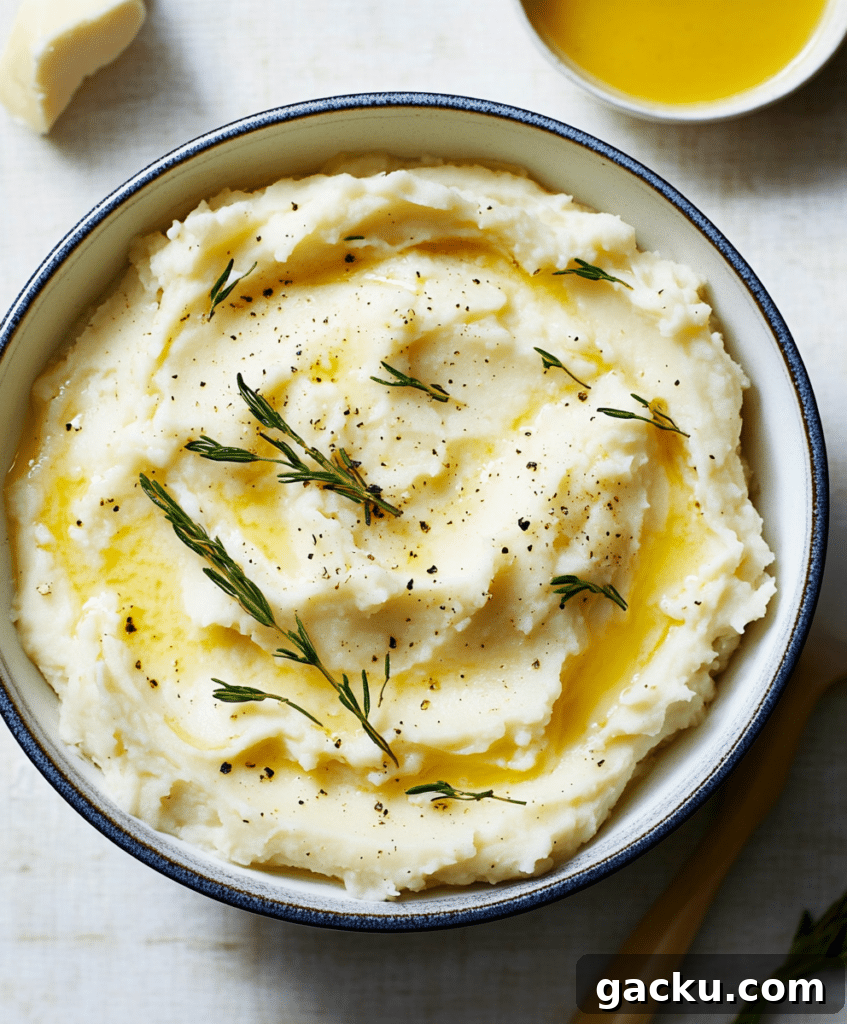
Kitchen gear: helpful tools
You don’t need fancy equipment—just a few basic tools:
- A large pot: Big enough to cover the potatoes with water for even cooking.
- A potato masher or hand mixer: A hand mixer gives an ultra-smooth, whipped texture; a masher leaves a rustic, slightly chunky finish.
- Measuring cup or microwave-safe container: For warming milk, butter, and cream cheese so they blend into the hot potatoes without leaving lumps.
Step-by-step: an easy, reliable method
- Peel and cut the potatoes: Peel and cut into roughly 1-inch pieces so they cook evenly and quickly.
- Boil: Place potatoes in a large pot, cover with cold water, add 1 teaspoon kosher salt, bring to a boil, then simmer covered for 20–25 minutes until fork-tender.
- Warm the dairy: Heat butter, cream cheese, and milk together (about 45 seconds in the microwave). Warming helps everything incorporate smoothly.
- Mash: Drain potatoes, return to a bowl, add warmed dairy mixture, and mash with your preferred tool to the desired consistency.
- Season: Taste and adjust with more salt and fresh black pepper. Potatoes often benefit from a little extra seasoning than you expect.
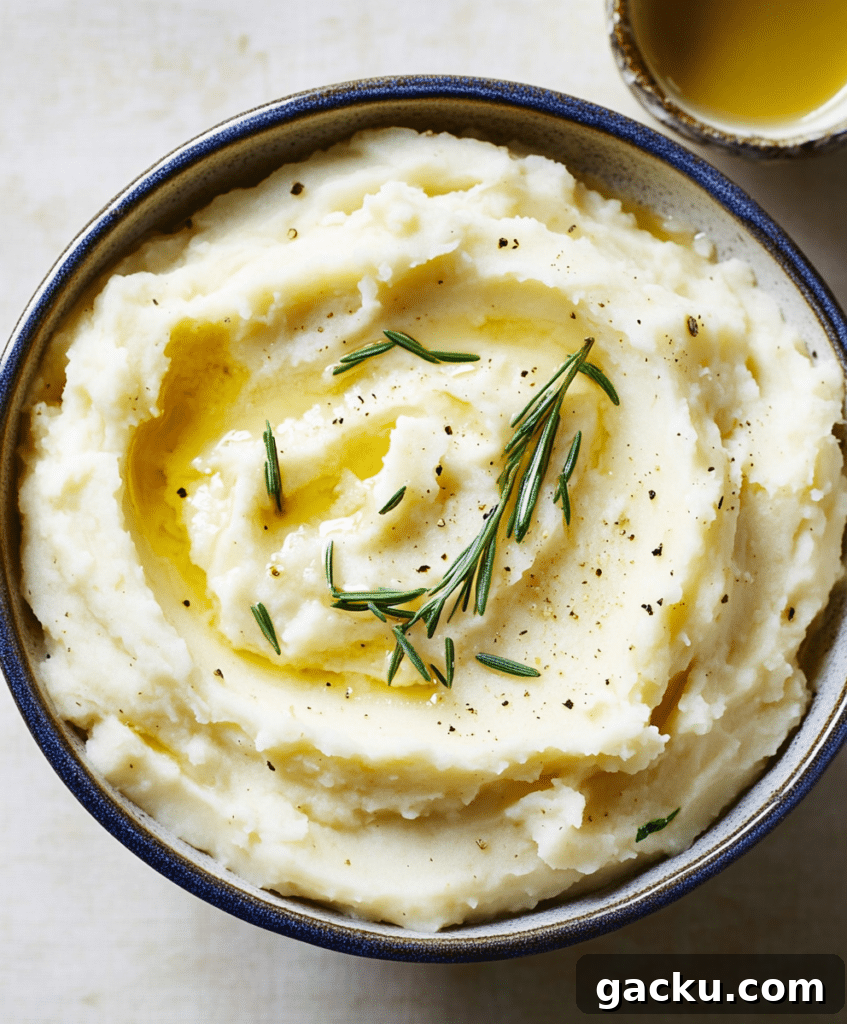
Variations to try
Once you have the base down, try these variations:
- Garlic mashed potatoes: Add roasted or sautéed garlic, or use garlic-flavored cream cheese.
- Herb potatoes: Stir in chives, parsley, or thyme for freshness and color.
- Dairy-free: Use plant-based cream cheese, vegan butter, and unsweetened almond or oat milk.
- Loaded: Mix in bacon, cheddar, and green onions for a hearty side.
- Lower-carb: Replace half the potatoes with steamed cauliflower for a lighter mash.
Serving suggestions
Spoon into a serving bowl, top with a pat of butter so it melts, and garnish with chopped chives or parsley. A light dusting of smoked paprika adds color and a subtle smoky note.
Drink pairings
To balance the richness, pair with a crisp white wine like Sauvignon Blanc or a light Pinot Noir for red. For a non-alcoholic choice, sparkling water with a squeeze of lemon refreshes the palate.
Storage and reheating
Store leftovers in an airtight container in the fridge for up to 3 days. Reheat gently in the microwave or on the stovetop with a splash of milk to restore creaminess, stirring occasionally to prevent drying out.
Scaling the recipe
This recipe serves about six. It scales up easily—double or triple for a crowd, and halve for two people. When scaling down, be cautious with salt and adjust to taste.
Common issues and fixes
If mashed potatoes turn gummy, they were likely overworked or too wet—drain thoroughly and mash gently. If too thin, add a little more cream cheese or butter to thicken and enrich them.
Final thoughts
Cream cheese mashed potatoes are a simple, delicious upgrade to a familiar favorite. With just a few pantry ingredients you get remarkably creamy, flavorful results. Try the recipe and make it your own—happy cooking!
FAQs
1. Can I use a different type of potato?
Yes—Russets are ideal for a fluffy mash, while Yukon Golds yield a creamier, denser texture.
2. What if I don’t have cream cheese?
Sour cream or Greek yogurt can substitute, but the finish won’t be quite as silky.
3. Can I make these ahead?
Yes. Refrigerate and reheat with a splash of milk to restore creaminess.
4. Do I need to peel the potatoes?
Peeling gives a smoother texture; leaving skins on adds texture and fiber—either is fine.
5. Can I freeze them?
Yes. Freeze, then thaw overnight in the fridge and reheat with a bit of milk or cream.