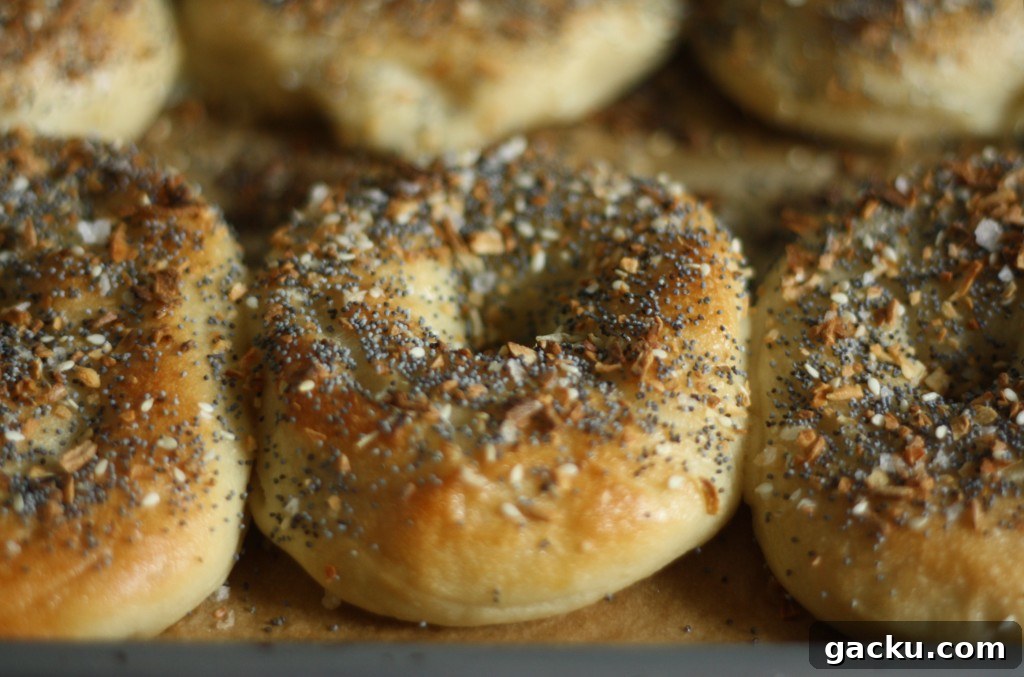
When a woman from Seattle who now lives in New York starts talking about making her own bagels, it’s understandable if you raise an eyebrow. Bagels practically grow on the streets of New York, and for a long time I assumed making them was something only an expert should do. But one autumn I decided to give homemade bagels a try—and quickly discovered I was entirely capable of turning out excellent results at home.
The most important ingredient is patience: this method relies on a short chill and an overnight rest. Below is a simple timeline that works well if you want to make dough on Saturday and enjoy freshly baked bagels on Sunday.
Saturday
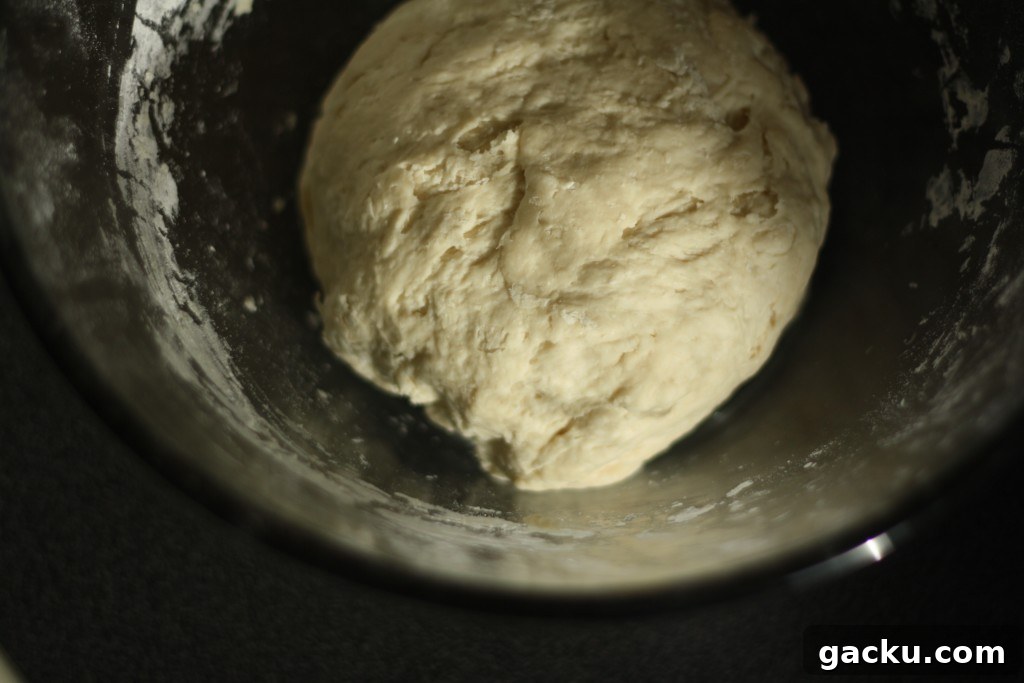
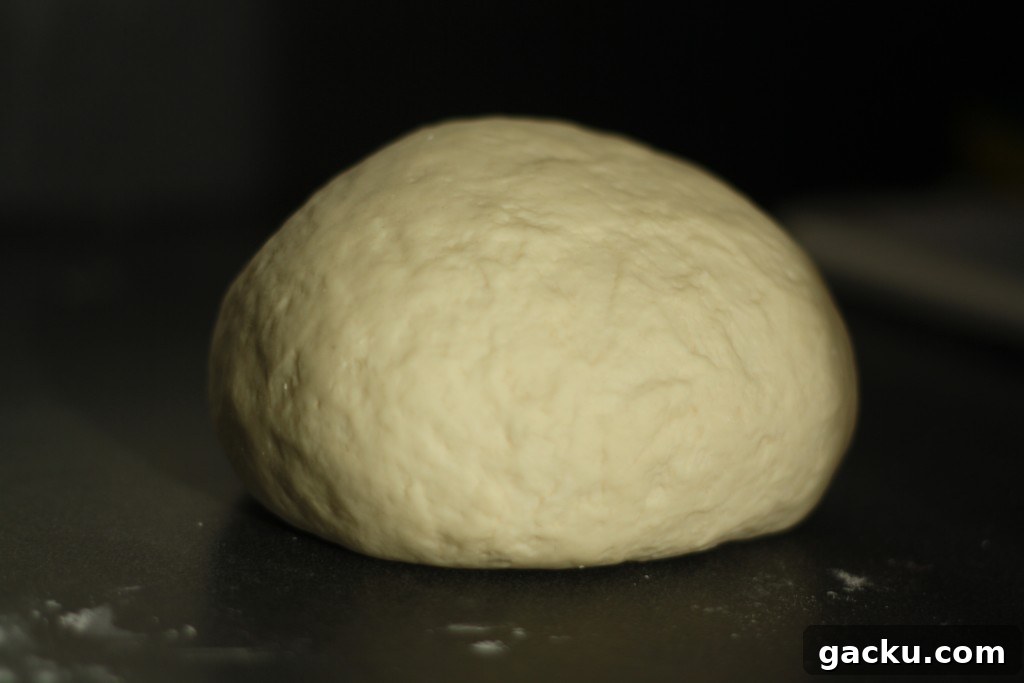
3:00 p.m. Make the dough.
3:15 p.m. Place the dough in the refrigerator to relax for an hour or more. Use the time to unwind—read, paint your nails, play a game—whatever helps you relax.
6:35 p.m. Shape the bagels and return them to the refrigerator.
7:00 p.m. Go out and enjoy the evening. You made bagels—celebrate!
Sunday
12:27 p.m. Wake up and drink coffee.
12:35 p.m. Take the bagels out of the fridge and start boiling water. Arrange your toppings and equipment.
12:36 p.m. Drink another coffee if you need it.
12:47 p.m. Begin boiling and topping the bagels.
12:55 p.m. Bake the bagels.
1:10 p.m. Remove the bagels from the oven and let them cool for at least 15 minutes. It’s hard, but it improves texture and keeps you from burning your mouth.
1:25 p.m. Taste a warm, homemade bagel. There’s a special satisfaction in enjoying something you shaped and baked yourself—especially if you did it in pajamas.
Homemade bagels are genuinely easy to make, and the results are worth the effort.
Homemade Everything Bagels
Makes 8 bagels
Adapted from a Los Angeles Times recipe
For the dough:
3 1/2 cups all-purpose flour (or bread flour)
2 teaspoons salt
3/4 teaspoon yeast
1 tablespoon honey
1 cup + 2 tablespoons water
For the bagel bath:
1 teaspoon salt
1 teaspoon baking soda
Topping:
2 teaspoons each poppy seeds, sesame seeds, sea salt, dehydrated garlic and onion bits
1 egg white
Measure the water in a liquid measuring cup and stir in the honey and yeast gently. In a large bowl, whisk together the flour and salt. Add the liquid and mix until a rough ball forms. If needed, add a teaspoon or two of water to help it come together. Let the dough rest in the bowl for five minutes, then turn it out onto a lightly floured surface and knead until smooth and slightly tacky. Place the dough in a lightly oiled bowl, turn it once to coat, cover with plastic wrap, and refrigerate for at least one hour.
When shaping, line a baking sheet with parchment paper. Divide the dough into eight equal pieces and roll each into a ball on a dry surface. Roll each ball into an 8-inch rope, overlap the ends to form a circle, and seal the seam by rolling it lightly on the countertop. Adjust the shape so each bagel is even in thickness. Lightly brush them with oil, cover with plastic wrap, and refrigerate overnight.
For baking, preheat the oven to 500°F. Prepare a baking sheet lined with parchment, a small bowl with the topping mix, another bowl with the egg white, and a pastry brush. Bring at least four inches of water to a boil in a large pot, add the baking soda and salt, then reduce to a simmer. Carefully lower as many bagels as fit comfortably into the simmering water and boil for one minute, then flip and cook the other side for 30 seconds. Transfer each bagel with a slotted spoon to the prepared baking sheet, brush with egg white, and sprinkle the toppings. Repeat until all bagels are boiled and topped.
Place the baking sheet in the oven and reduce the temperature to 450°F. Bake for about 15 minutes, rotating the sheet halfway through, until the bagels are deep golden brown. Remove to a rack and let cool for as long as you can—slicing too soon can compress the crumb.
Tip: Slice all the bagels at once and freeze any extras. Pre-sliced, frozen bagels toast beautifully and make quick breakfasts for weeks.