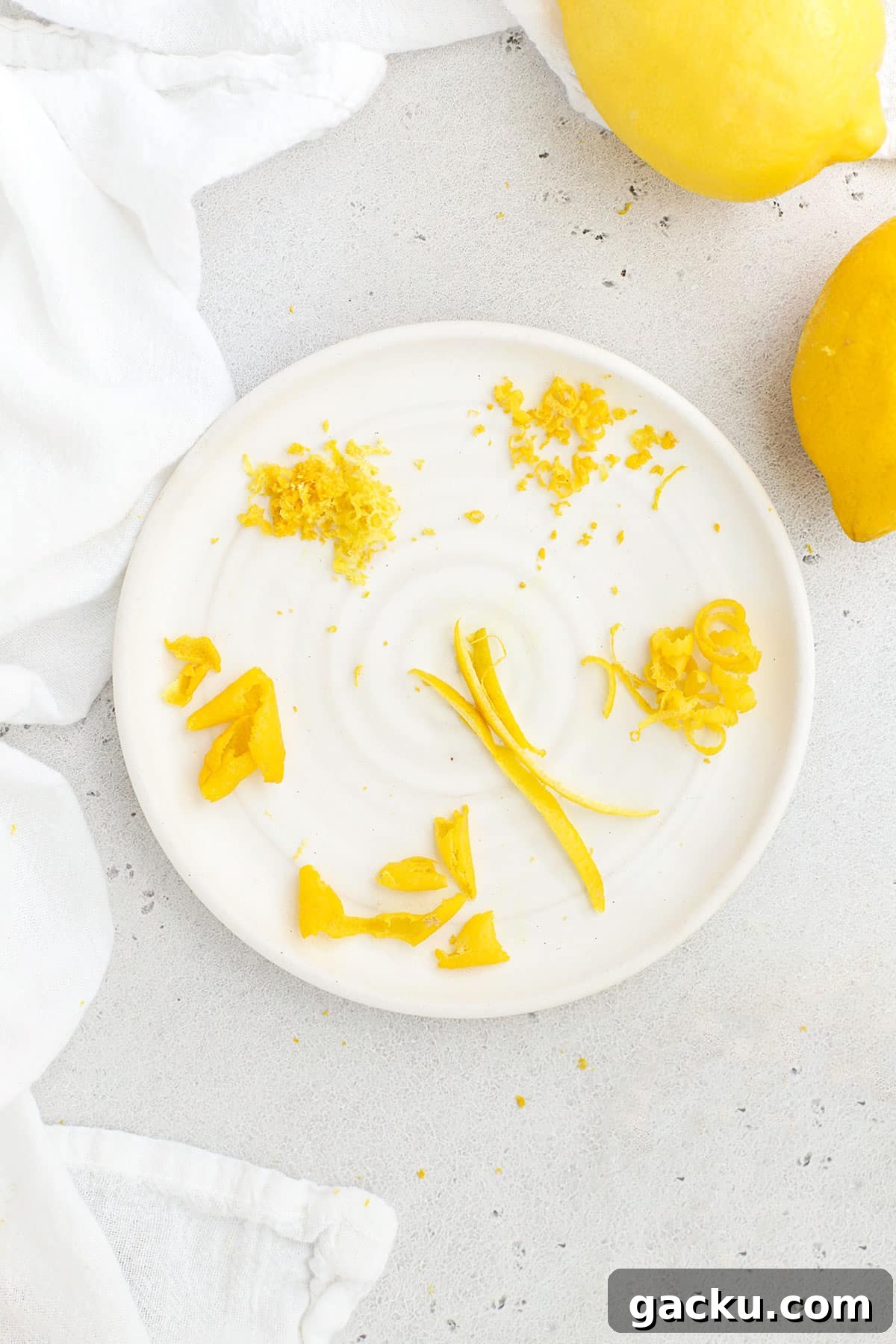
Need a little lemon zest for a recipe? We’ll teach you everything you need to know about how to zest a lemon!
Lemon is one of my favorite flavors for both cooking and baking. Its bright, aromatic zest elevates sweet treats like cookies, cakes, pies, and bars, and also livens up savory dishes — think chicken, salads, dressings, sauces, and roasted vegetables. Using both lemon zest and lemon juice in a recipe often delivers the most vivid lemon flavor.
If you’ve ever wondered what lemon zest actually is, how much zest you can expect from one lemon, or whether zesting is difficult, this guide covers it all. Zesting citrus is a quick, easy technique that adds fresh, concentrated lemon flavor to almost any recipe.
Here’s a clear, practical guide to how to zest a lemon — the same methods apply to other citrus like limes, oranges, and grapefruit.
What Is Lemon Zest?
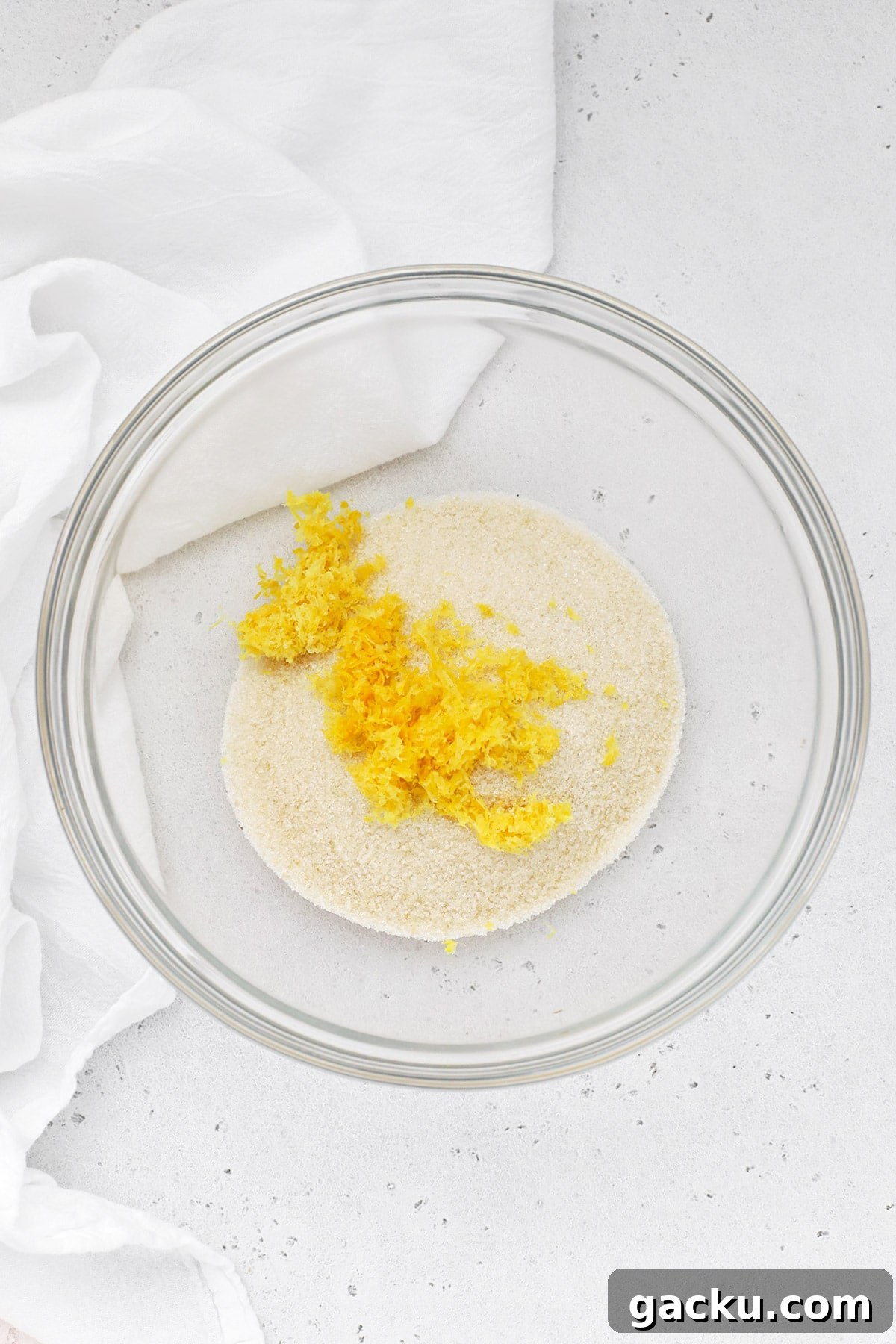
Lemon zest is the thin, colored outer layer of the lemon peel. It contains the fruit’s essential oils, which are highly fragrant and flavorful. Important points:
- Lemon zest is the yellow outer peel only. This fragrant layer is packed with citrus oil and carries most of the bright lemon aroma.
- Do not include the white pith beneath the zest. The pith is bitter and spongy and can make recipes taste unpleasant if included.
How Much Lemon Zest Do You Get Per Lemon?
A general guideline: one medium lemon yields about 1 tablespoon of zest. Size and rind thickness vary, so your yield might be a bit less or more.
What Are The Different Ways to Zest A Lemon?
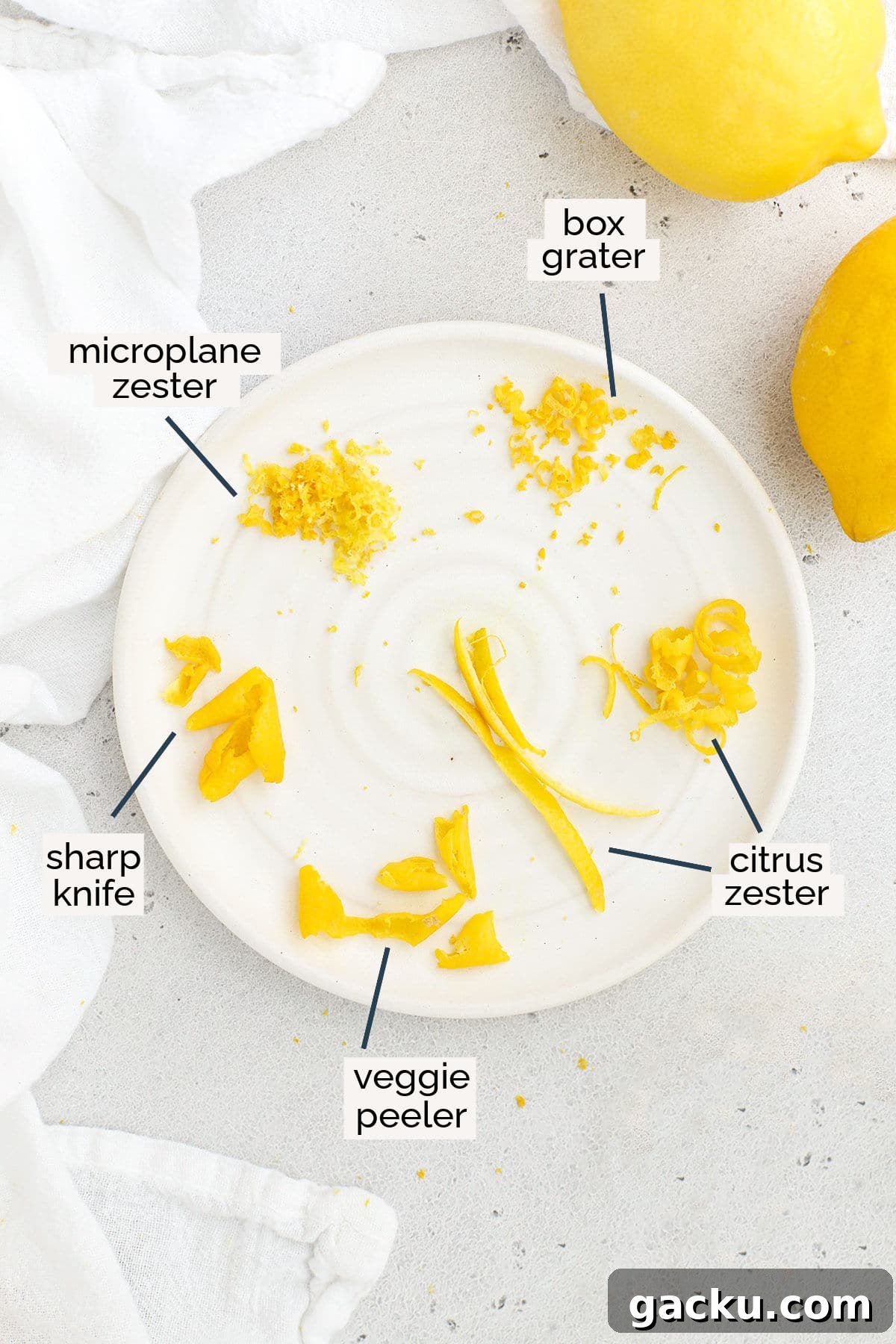
There are several effective ways to remove lemon zest, from the easiest and most precise to methods to use in a pinch. These same techniques work for other citrus.
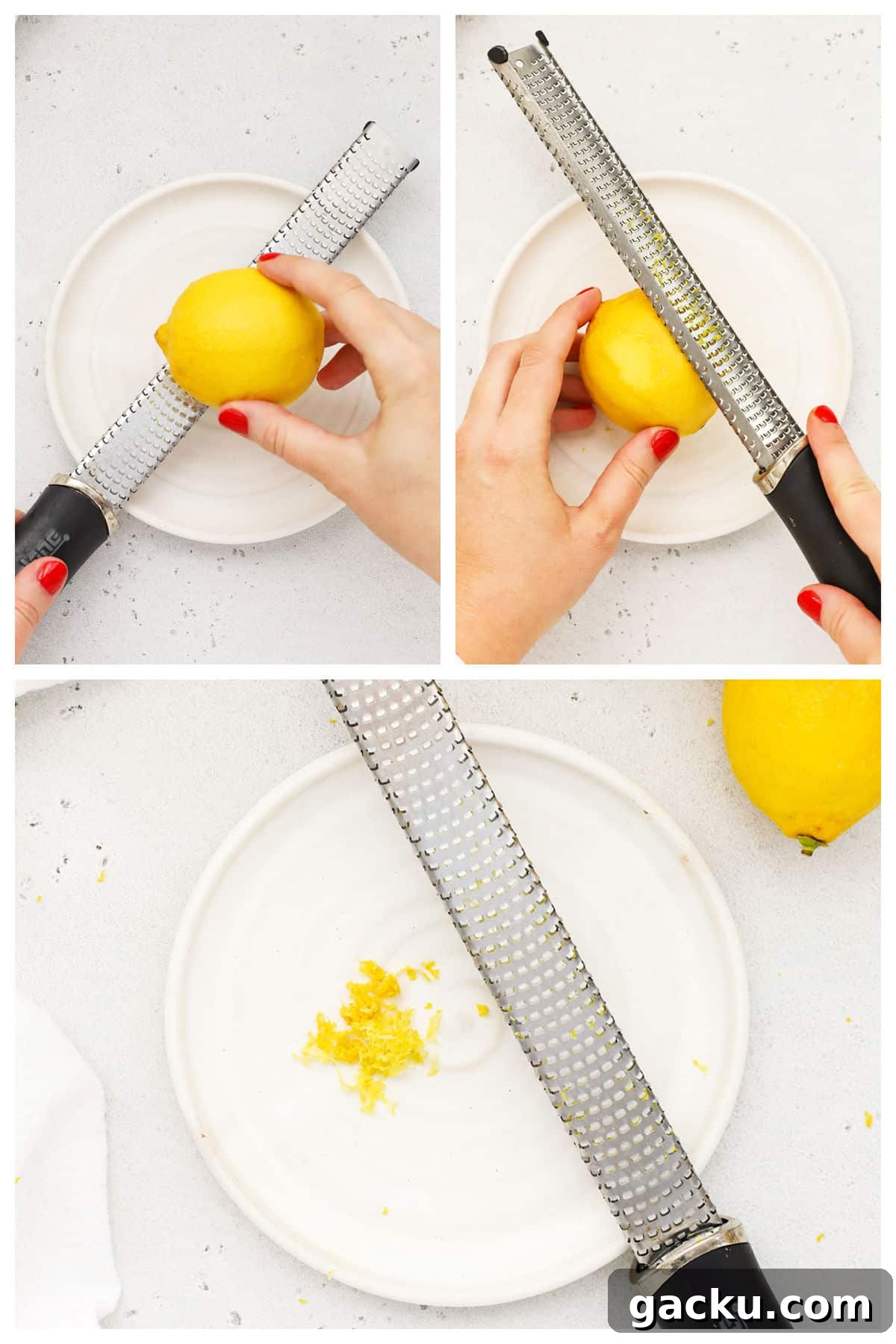
1. Use A Microplane Zester (Easiest)
A microplane or rasp grater produces very fine, delicate zest and is the easiest tool for consistent results. Hold the lemon in one hand and the zester in the other, or brace the zester on a cutting board and move the lemon across it. Rotate the lemon as you go and stop when you see the white pith.
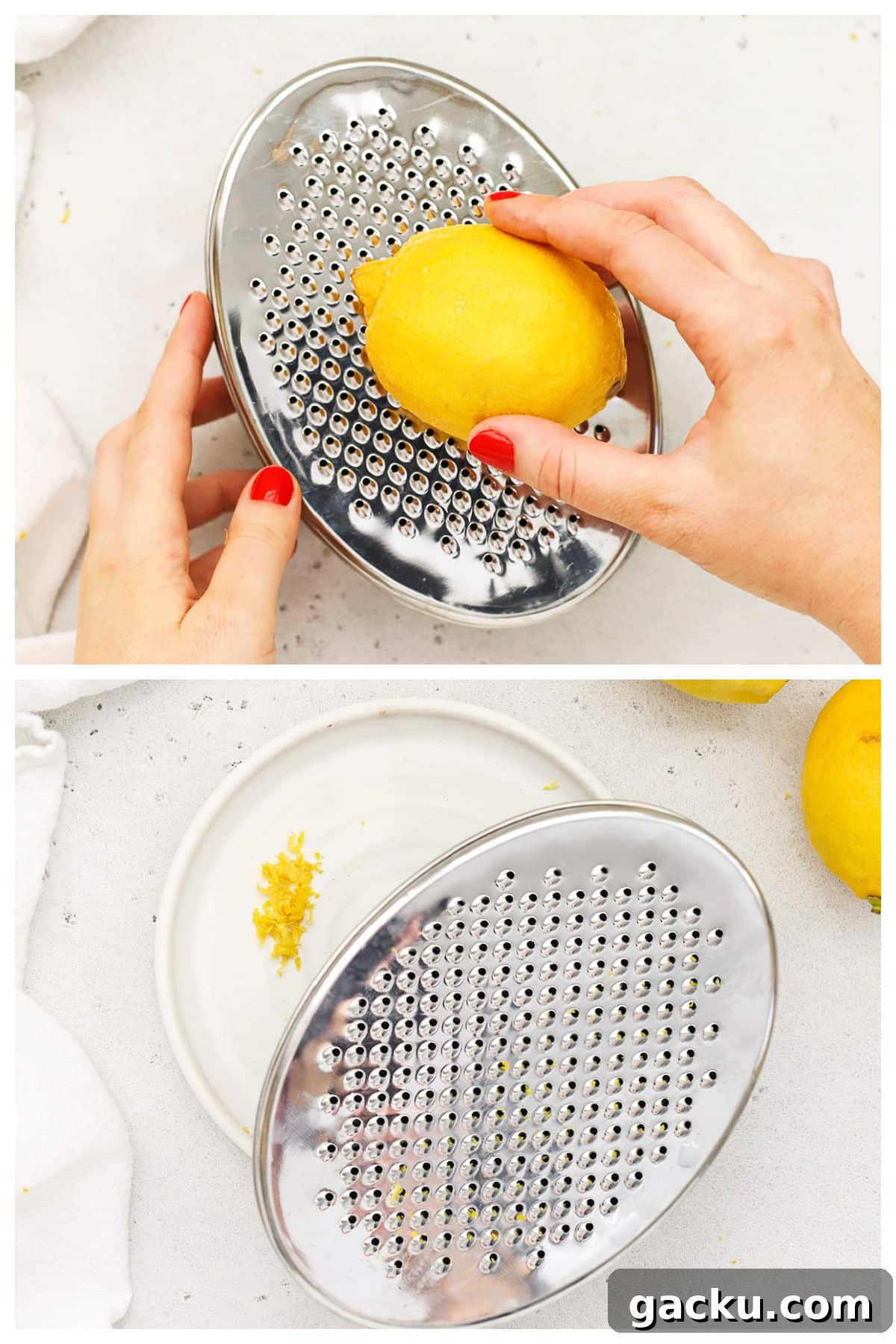
2. Use A Box Grater
If you don’t have a microplane, use the finest side of a box grater or a handheld cheese grater. Work the lemon across the small holes, watching closely for the white pith and stopping once you reach it.
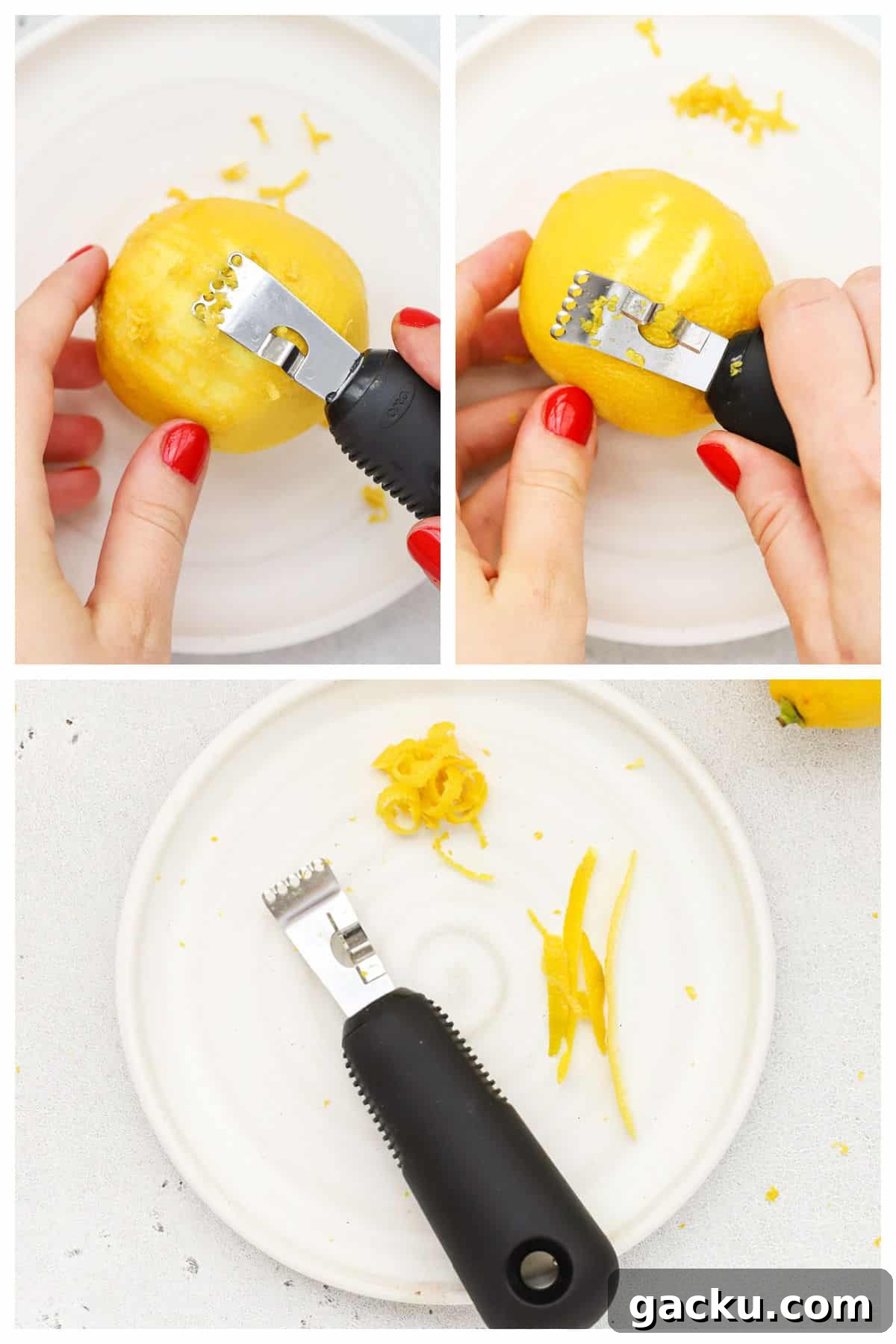
3. Use A Citrus Zester With Channel Knife
A handheld citrus zester creates longer strands of zest, while the channel knife makes wider curls. These are great for garnishes, cocktails, or when you want visually appealing strips. Press gently and scrape toward your body, aiming to remove only the yellow layer.
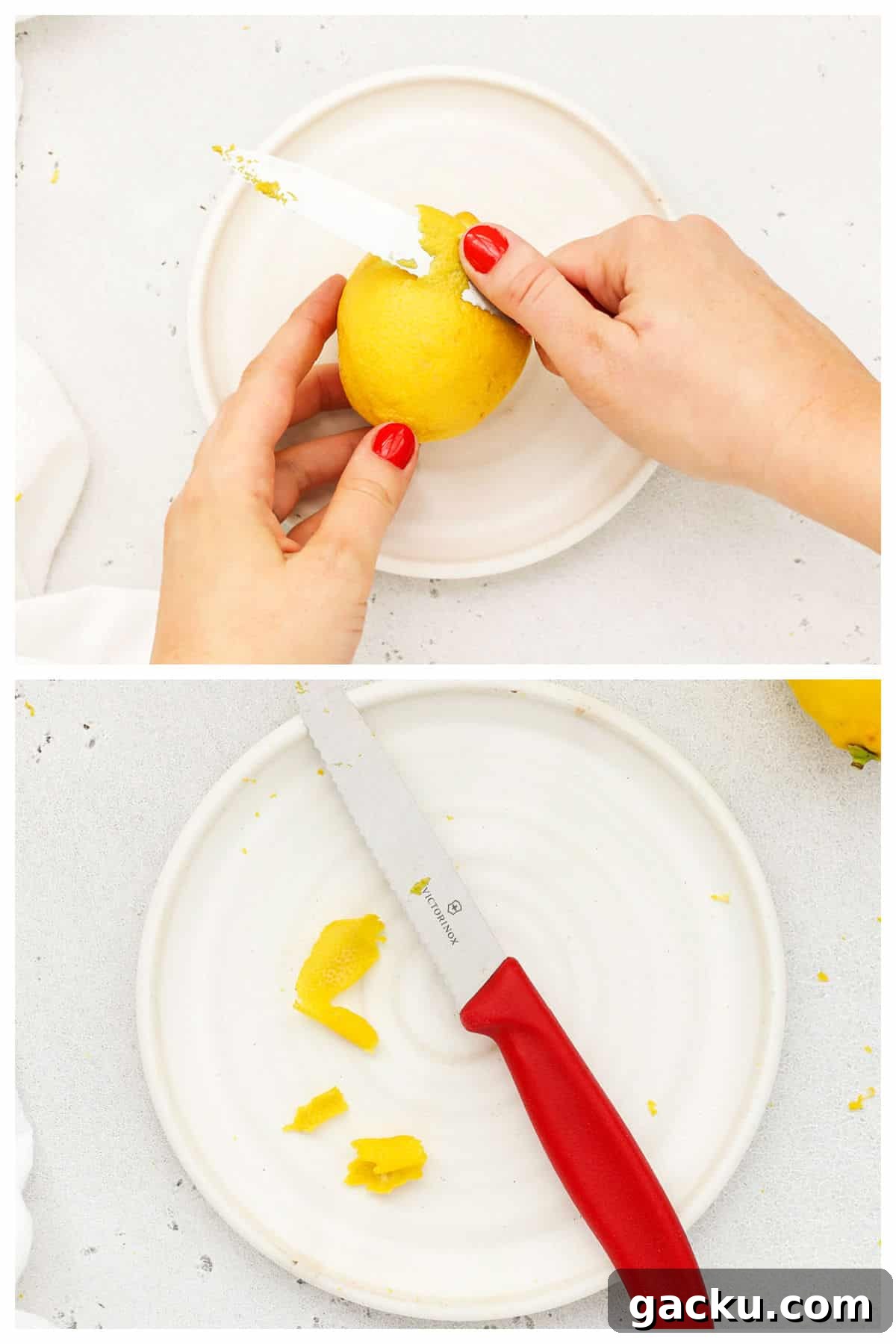
4. Use A Knife
If no zester or grater is available, use a sharp paring knife to carefully slice away the yellow zest in thin strips, avoiding the pith. You can then mince or finely chop those strips if your recipe calls for smaller pieces.
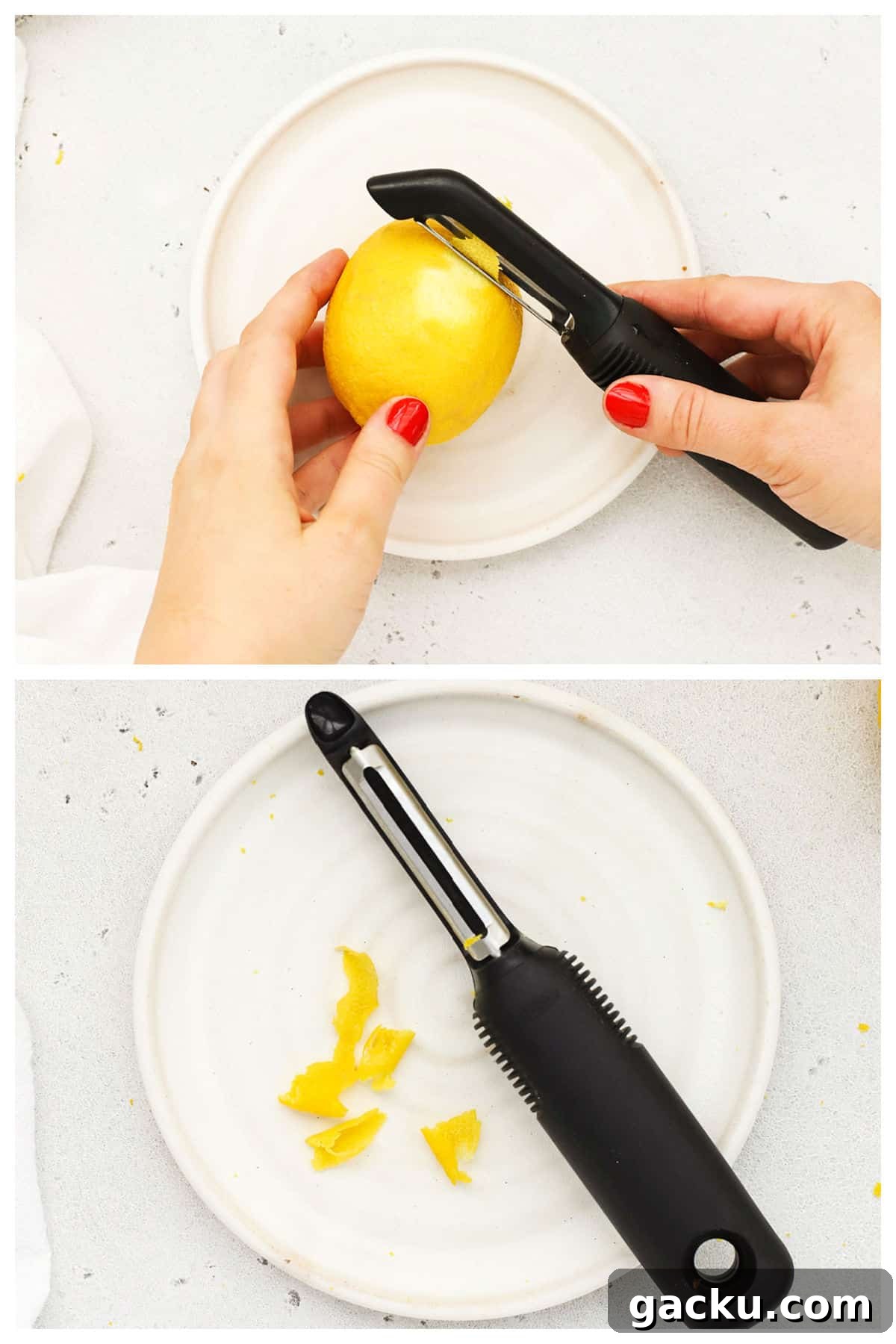
5. Use A Vegetable Peeler
A very sharp vegetable peeler can remove long strips of zest, similar to a knife. This method can be trickier because many peelers remove some pith as well, and it requires caution to avoid cuts. Use only if it’s your best available option.

10 Ways To Use Lemon Zest In Cooking & Baking
Lemon zest is versatile. Here are some favorite uses that showcase its bright flavor:
- Lemon Bundt Cake. Add zest to batters and glazes for extra brightness.
- Garnishing Green Vegetables. Sprinkle zest over steamed or roasted greens like asparagus, broccoli, zucchini, and spinach for a fresh lift.
- Lemon Poppy Seed Muffins. Zest brings that classic lemony punch to muffin batter.
- Energy Bites. A little zest adds dessert-like flavor without extra sugar.
- Lemon Shrimp. Seafood pairs beautifully with zest and a squeeze of lemon juice.
- Pesto. Stir a touch of lemon zest into pesto to brighten the flavors.
- Chicken Marinades. Combine zest, juice, olive oil, garlic, and herbs for a lively marinade.
- Lemon Brownies. Use zest to introduce a fresh citrus contrast to rich chocolate or vanilla batters.
- Mocktails and Cocktails. Use longer strips or curls of zest as an elegant garnish in lemonade, cocktails, or mocktails.
- Cheesecake and Desserts. Add zest to cheesecake filling, frostings, or custards for an aromatic lift.
PRO TIP: Flavor Pairings. Lemon pairs well with honey, berries, garlic, basil, cilantro, thyme, rosemary, dill, black pepper, seafood, ricotta, balsamic, olive oil, chicken, almonds, cream cheese, yogurt, tahini, ginger, butter, mushrooms, feta, chili, lavender, curry, turmeric, and cherries. Combine zest with complementary flavors for impressive results.
FAQ + Tips And Tricks For Zesting Lemons
Zest FIRST. If you plan to both juice and zest a lemon, zest while the fruit is whole — it’s easier and yields better results.
How long does lemon zest last in the fridge? Fresh zest is best used immediately. In the refrigerator it can keep for up to about 2 days but will dry and lose aroma quickly.
Can you freeze lemon zest? Yes. Freeze zest in an airtight container for up to about 1 month to preserve flavor for later use.
Can lemon juice substitute for zest? Not really. Zest contains concentrated lemon oil and aroma that juice does not. Juice also adds liquid which can change a recipe’s balance.
Can you buy lemon zest in the store? Fresh zest is rarely sold pre-packaged because it loses aroma quickly. You may find candied or dried lemon peel, but dried peel isn’t as vibrant as fresh zest.
Printable Tutorial
Did you Try It?
Leave a star rating below and let me know which method you used!

How To Zest A Lemon 5 Ways
5 from 1 review
- Author: Emily Dixon, Sweets & Thank You
- Total Time: 5 minutes
- Yield: 1 batch
- Diet: Gluten Free
Description
Learn how to zest a lemon five ways to add fresh lemon flavor to your cooking and baking.
Ingredients
- Fresh lemons
- A microplane zester, box grater, handheld zester with channel knife, sharp paring knife, or vegetable peeler
Instructions
With A Microplane Zester/Rasp Grater:
- Hold the microplane in one hand and the lemon in the other, or brace the zester on a cutting board for stability.
- Scrape the lemon across the zester, rotating the fruit as you go. Stop when you see the white pith. Remove any stuck zest from the back of the grater carefully.
With A Box Grater:
- Hold the box grater steady and rub the lemon across the finest side, rotating to avoid the pith.
- Stop once you start to see white pith and discard any bitter bits.
With A Handheld Zester or Channel Knife:
- The small holes on top create long, thin strands; the channel knife makes wider curls.
- Press and scrape gently to remove only the yellow layer for decorative strips or garnish.
With A Knife:
- Use a sharp paring knife to carefully slice away the yellow peel in strips, avoiding the pith.
- Chop or mince the strips as needed for your recipe.
With A Vegetable Peeler:
- If using a very sharp peeler, remove long strips of zest, then trim any pith from the edges before chopping or using whole as a garnish.
Notes
Tips:
- Only use the yellow peel — avoid the bitter white pith.
- 1 medium lemon ≈ 1 tablespoon zest.
- Fresh zest is best used immediately; freeze excess zest for up to about 1 month.
- To remove wax from lemons, pour very hot water over them and scrub with a brush before zesting.
- Zest before juicing for easier handling and better results.
- Prep Time: 5 minutes
- Category: Tutorial
- Method: No-Cook
- Cuisine: American