Many home cooks tell me they feel stuck in a dinner rut, serving the same simple meals night after night. If that sounds familiar, a few ancient spices can refresh your weekday cooking without adding complexity. These ingredients—za’atar, sumac and nigella seeds—have been used for centuries across the Middle East and Mediterranean. Each brings a distinct flavor profile that can brighten salads, grains, vegetables and breads and make ordinary dishes feel new again.
Za’atar. Sumac. Nigella seeds. If you haven’t cooked with them yet, they’re easy to introduce and rewarding to use. Read on for what each spice tastes like, practical ways to use them, and ideas for dishes to try.
Za’atar
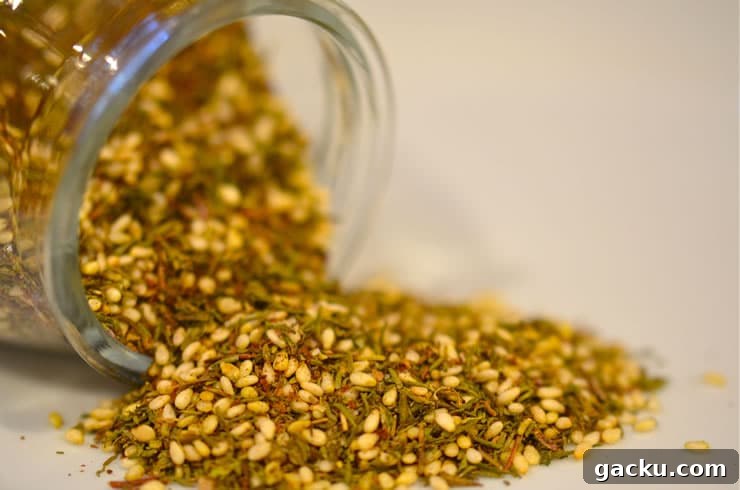
I first discovered za’atar at a Lebanese restaurant where a small olive-oil-and-spice mixture on the table transformed plain bread. Za’atar is a tangy, nutty herb blend common across Syria, Lebanon and Jordan but still underused in many U.S. kitchens. Typical blends always include sumac, sesame seeds and dried thyme, while regional variations add hyssop (the za’atar plant), oregano, marjoram, sage or salt. The herbaceous mixture pairs beautifully with olive oil, flatbreads, tomatoes and yogurt, and it elevates roasted vegetables into something special.
Chef Mourad Lahlou suggests simple, high-impact uses:
- Sprinkle on flatbread or pizza dough before baking; add sliced tomatoes.
- Drizzle olive oil over goat cheese or feta and finish with za’atar.
- Marinate chicken in plain yogurt and za’atar—wipe excess before grilling or roasting.
- Stir into aioli or yogurt dips for extra depth.
- Scatter over tomatoes and cucumbers, finish with lemon or basil.
- Sprinkle on fried or deviled eggs for a bright finish.
One charming tradition from Lebanon: children sometimes eat za’atar sandwiches before tests, believed to help awaken the mind. At the very least, it awakens the appetite.
Za’atar Recipes to Try
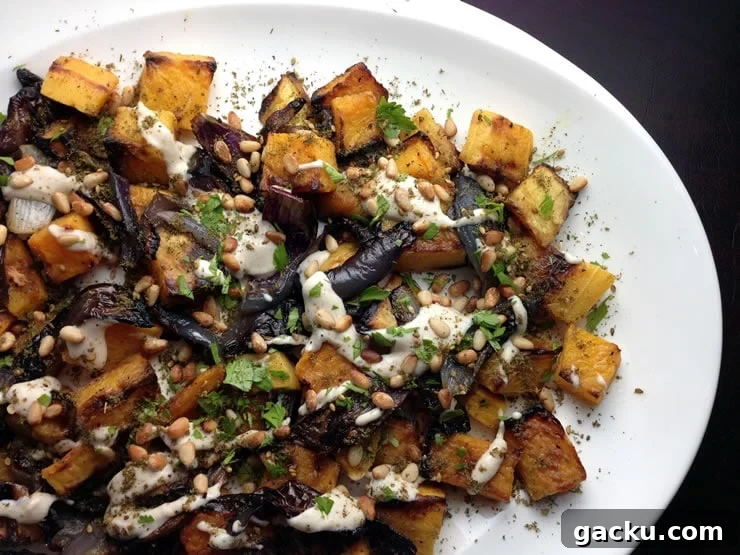
Roasted butternut squash with tahini and za’atar is a lovely fall side that balances sweetness and savory herb notes. You can also make your own za’atar blend at home by combining toasted sesame seeds, ground sumac, and dried herbs to taste—this allows you to customize salt and herb proportions. Use za’atar on roasted cauliflower, mixed into hummus, or sprinkled on warm flatbread with olive oil for a quick snack.
Where to Buy Za’atar
Za’atar is carried by Middle Eastern markets, specialty spice shops and many online retailers. Buying from a trusted spice purveyor ensures freshness—store it in an airtight container away from heat and light for best flavor.
Sumac
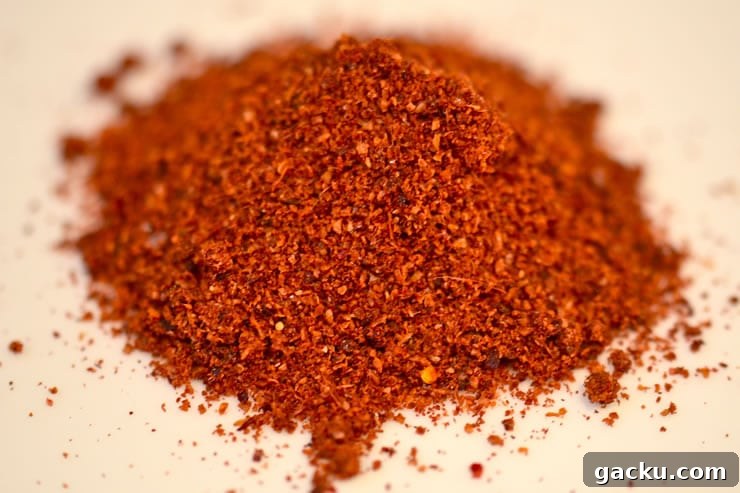
Ground sumac is the red, tangy component that often appears in za’atar blends. Unrelated to the poisonous plants children learn to avoid, culinary sumac comes from dried red berries and delivers a bright, lemony acidity without adding liquid. Its tart, fruity notes complement salads, dressings, roasted vegetables and grilled meats—think beets with a dusting of sumac, avocado sprinkled with sumac, or feta and yogurt dishes finished with a pinch.
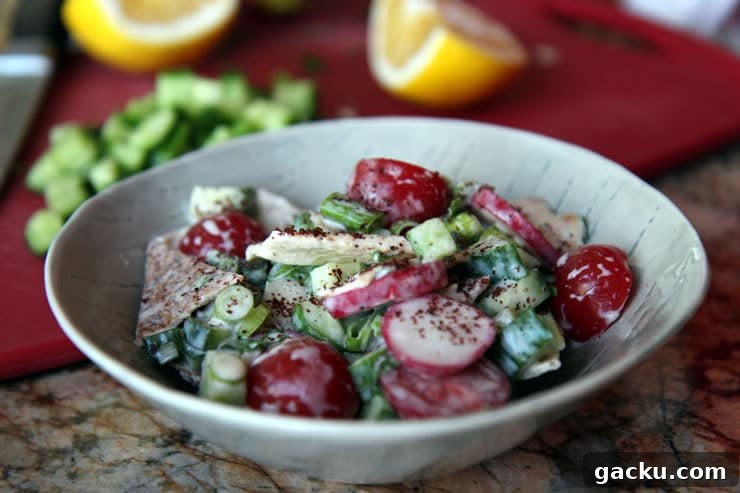
Sumac Recipes to Try
Sumac shines in Middle Eastern recipes like fattoush, where it seasons the salad and toasted bread. Try a sumac-spiked sour cream sauce for turkey or vegetable burgers, or use sumac alongside za’atar and tahini in roast chicken for layered, tangy flavors. It’s also excellent sprinkled over simple grain bowls or mixed into dressings for an acidic lift.
Where to Buy Sumac
Sumac is available at Middle Eastern grocers, specialty spice shops and reputable online stores. Look for bright red powder or whole sumac berries and keep them sealed in a cool, dark place to preserve their citrusy aroma.
Nigella Seeds
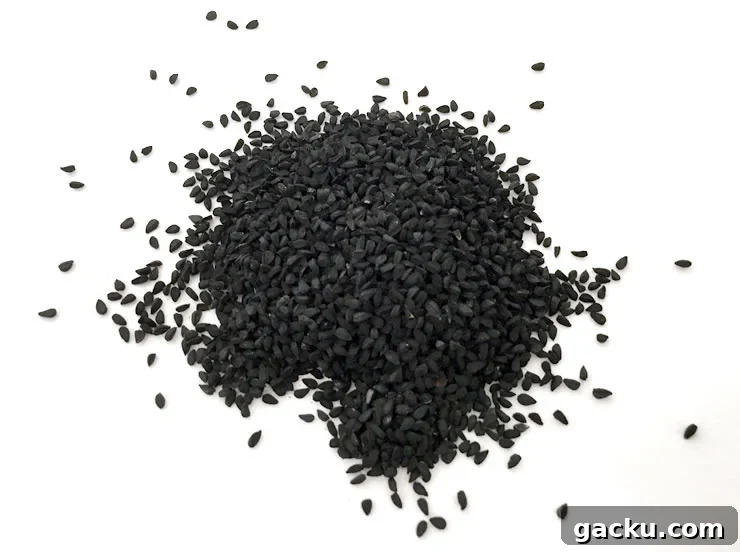
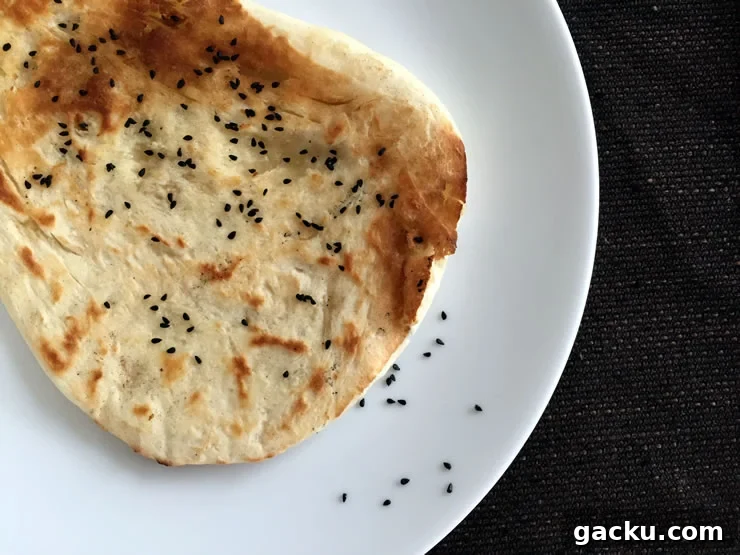
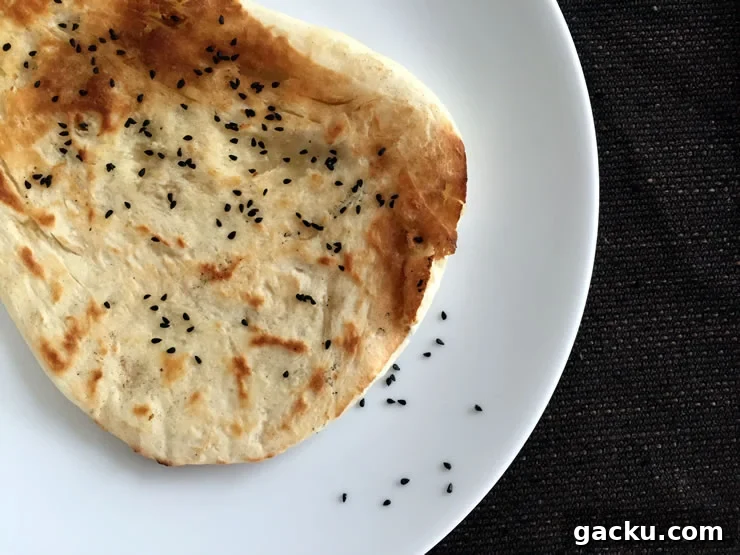
Nigella seeds—also called kalonji, black cumin, or onion seeds—are tiny black seeds that resemble black sesame but offer a distinct flavor: slightly oniony, peppery and nutty. They come from Nigella sativa, an annual flowering plant. Beyond culinary uses, nigella seeds are often credited with various health benefits, though you should approach such claims cautiously. In the kitchen, they provide texture and a subtle savory note to breads like naan and pita, roasted vegetables, egg dishes and soups. A simple finishing touch of nigella on warm flatbread or naan makes a delicious snack.
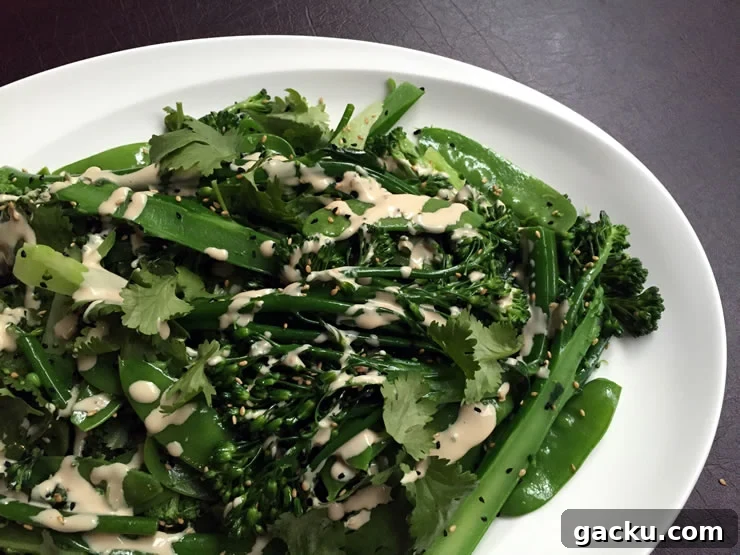
Nigella Seed Recipes to Try
Nigella pairs well with roasted squash, broccolini or broccolini-style sprouting broccoli tossed with tahini, and in Moroccan-inspired tagines where its subtle bite complements warm spices. Try sprinkling nigella on homemade or store-bought naan brushed with olive oil and warming it in a pan for a fast, tasty accompaniment.
Where to Buy Nigella Seeds
Nigella seeds are sold at Indian and Middle Eastern grocery stores (often labeled kalonji), specialty spice shops and many online retailers. Store them in an airtight container away from heat and light.
Practical advice: Be realistic about your cooking and schedule—introduce one new ingredient at a time and trust your palate. Keep spices within reach near your prep area so they become part of your regular routine. A small change—a sprinkle of za’atar, a dusting of sumac, or a handful of nigella seeds—can transform a familiar grilled chicken, roasted vegetable or salad into something exciting.
Sumac and za’atar photos by Stewart Putney, courtesy of Edible Silicon Valley.