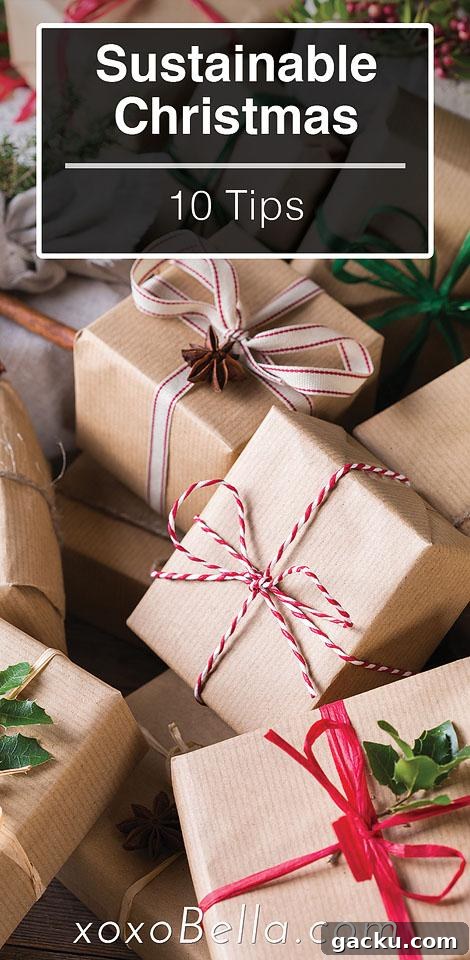
The holidays bring cozy movies, twinkling lights, hot cocoa and gift giving, but they also tend to increase our waste and carbon footprint. Between travel, parties and extra decorations, this season can leave a sizable environmental impact. The good news is that celebrating a sustainable Christmas is easier than it sounds. A few small changes add up quickly. Below are ten practical tips to help you enjoy a festive, eco-friendly holiday season.

1. Stay Home
Holiday travel greatly increases greenhouse gas emissions. Tourism—transportation and accommodation combined—accounts for a notable share of global emissions. If possible, celebrate closer to home or with the people you already live with. When travel is necessary, choose lower-emission options such as trains or buses instead of flying. If flying is unavoidable, consider calculating and offsetting your travel emissions through reputable carbon-offset projects.

2. Avoid One-time Use Wrapping Paper
Shiny, glittery paper looks festive but is often lined with plastic, foil or glitter and therefore not recyclable. Each year tons of wrapping paper end up in landfills. Instead, use reusable or biodegradable alternatives: plain kraft paper, newspaper, fabric, scarves, tea towels or paper bags. You can also wrap a gift in another useful item—baskets, blankets or reusable bags become part of the present. These swaps reduce waste and can save money while still looking thoughtful.


3. Shop Small
Buying from local businesses reduces shipping and packaging emissions and supports your local economy. Small shops often source or make goods locally, so products travel less and require fewer logistics steps than items from large retailers. Shopping locally also helps create community jobs and keeps money circulating in the area. When possible, pick unique gifts from nearby artisans or independent stores to minimize environmental impact and support neighbors.


4. Gift Experiences, Not Items
Experiences—tickets, classes, memberships or outings—create memories without contributing to physical clutter and packaging. They often support local venues and small businesses, and they avoid the shipping, wrapping and eventual disposal associated with many material gifts. Consider gifting a museum membership, class, concert or a day trip tailored to the recipient’s interests.

5. Switch to LED
Replace traditional holiday lights with LEDs. LED strings use far less electricity, generate less heat and last much longer than incandescent bulbs, which reduces waste and energy costs. Over time, switching to LED lights lowers greenhouse gas emissions and saves money, making them an easy eco-friendly upgrade for decorations.

6. Buy Local Food
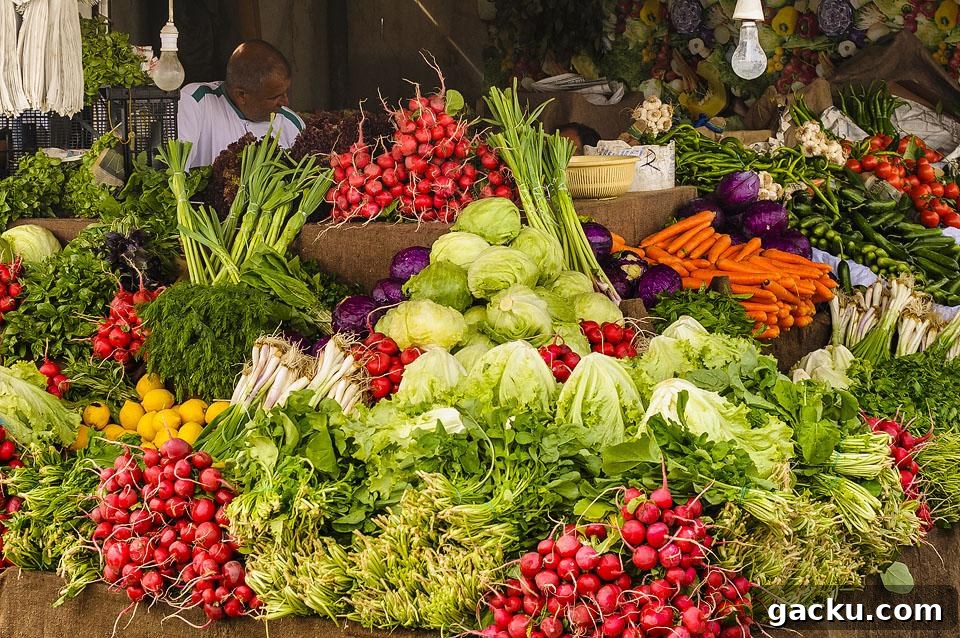
Choose local produce and meats for your holiday meals to cut food miles and support nearby farms. Locally sourced food often requires less transportation and packaging, and it helps preserve farmland and local biodiversity. Buying from farmers’ markets or community-supported agriculture keeps food systems resilient and reduces reliance on long supply chains.
7. Get Creative
Homemade gifts reduce packaging and often use fewer resources than mass-produced items. DIY gifts can be affordable, personal and thoughtful—examples include hand-poured candles, homemade soaps, knit scarves, baked goods or custom photo gifts. Homemade items are a way to give something meaningful while minimizing plastic and single-use materials.

8. Buy Less
Consider buying fewer, higher-quality items instead of many small gifts. Consolidating presents into one or two well-chosen items reduces packaging, shipping and the odds that gifts will be quickly discarded. Thoughtful, durable gifts often provide more lasting value and satisfaction than numerous inexpensive items.

9. Reduce Food Waste
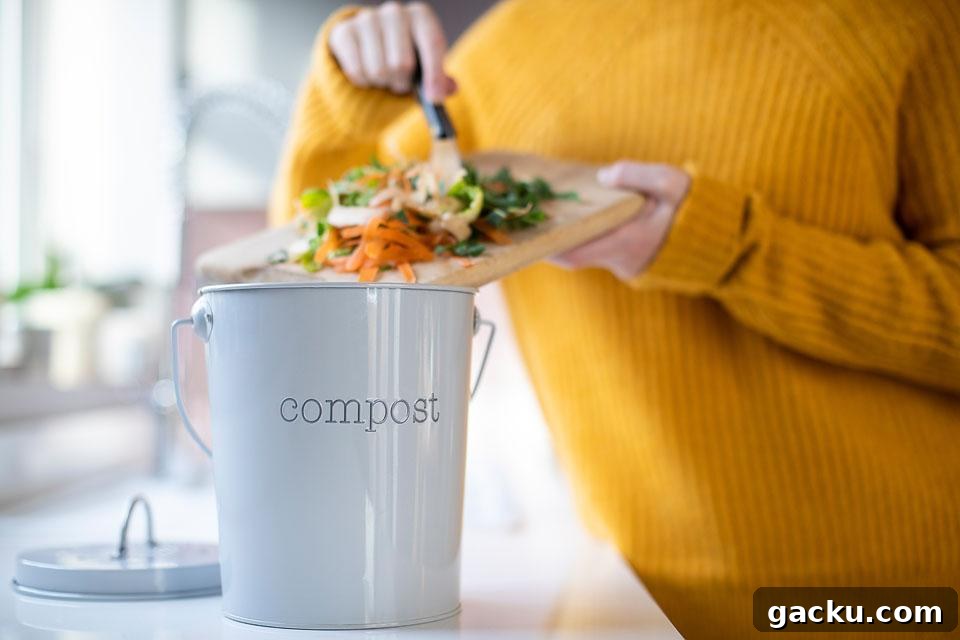
Holidays often mean large meals and excess food. Plan portions, create a menu based on known guest appetites, and use leftovers creatively to avoid waste. Skip single-use plates and utensils in favor of reusable dinnerware when possible. If you do have unavoidable food waste, composting keeps it out of landfills and returns nutrients to the soil. Donating extra edible food to local organizations is another meaningful option.
10. Reuse or Recycle Your Tree
Real Christmas trees are generally more sustainable than artificial ones if they are locally grown and properly recycled. Artificial trees are often made from non-recyclable plastics and travel long distances from manufacturing sites, increasing their carbon footprint. If you choose a real tree, buy locally when possible, and after the holidays take it to a municipal drop-off or recycling center where it can be chipped into mulch. Alternatively, reuse tree wood for firewood, garden mulch or DIY projects to keep materials in use.

Recycling or reusing your tree keeps it out of landfill and can benefit your garden or yard. Many communities offer tree collection or chipping services—check local options—so your tree can be turned into mulch or compost and returned to the landscape.

Use These Tips for a Sustainable Christmas
Small changes make a big difference. Whether you switch to LED lights, wrap gifts in reusable materials, support local businesses or reduce food waste, each step helps lower your holiday footprint while keeping the season joyful. Try a few of these suggestions and adapt them to fit your traditions—celebrating sustainably is both practical and meaningful.
Please share these sustainable Christmas tips with friends and family. Have a happy, eco-friendly holiday season!
You Might Also Like
- The Best Christmas Movie List Ever
- 8 Easy Sustainable Fashion Tips
- Guide to Hiking with Your Dog
- Ways to Start to Live More Sustainably
- 160 Christmas Instagram Captions to Deck the Halls + Your ‘Gram
- 5 Reasons to Buy Local Food