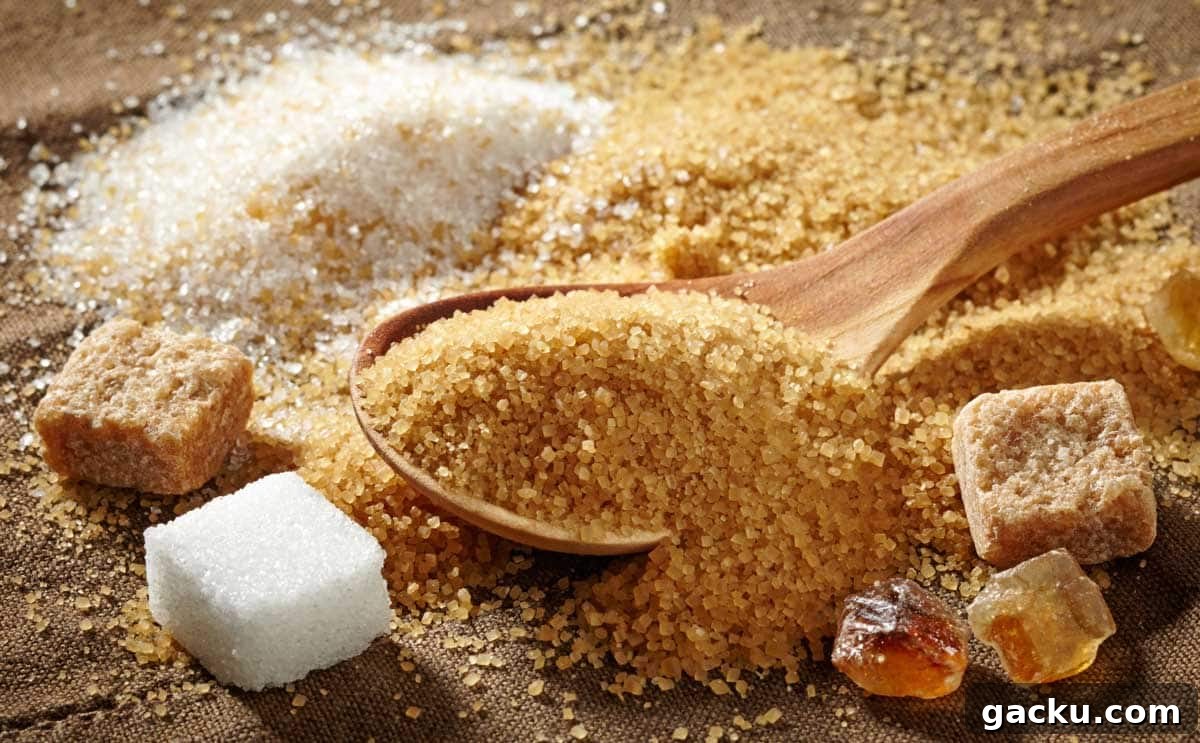
Sugar is more than just sweetness; it’s a versatile, transformative ingredient. In both baking and cooking, the type of sugar you choose affects flavor, texture, color and even preservation. This guide explains common sugars and how to use them so your recipes turn out their best.
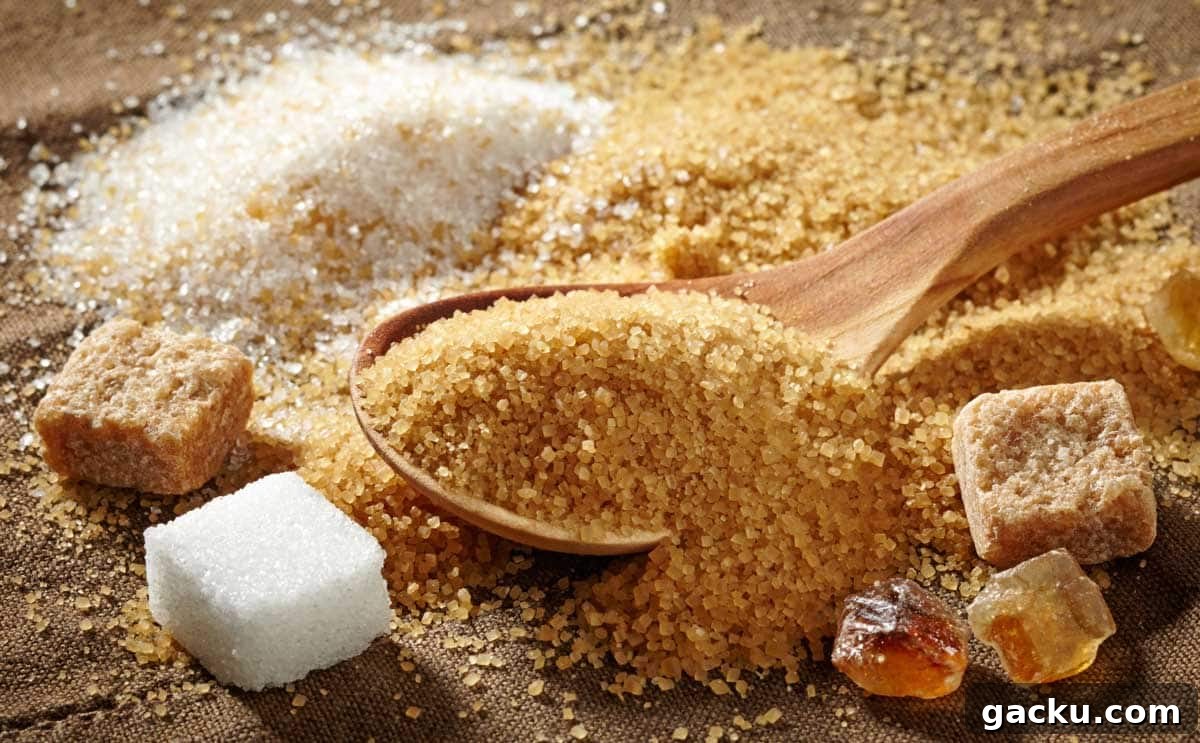
Sugars vary widely in taste and texture. Each type imparts unique characteristics—from the neutral sweetness of granulated sugar to the deeper, molasses-rich notes of brown and raw sugars. Knowing these differences helps you choose the right sweetener for pancakes, cakes, sauces, breads and more, and improves the final texture, color and flavor of your dishes.
The importance of sugar in cooking and baking
Understanding sugar basics makes it easier to select the right ingredient and ensures consistent results. Key roles sugar plays include:
Flavor enhancement: Sugar balances acidity and bitterness while adding sweetness to both savory and sweet preparations.
Caramelization: Heating sugar creates complex flavors and a golden-brown color that enrich sauces, glazes and desserts.
Texture improvement: In baked goods, sugar tenderizes crumb structure, retains moisture, and contributes to a soft, enjoyable texture.
Preservation: Sugar reduces water activity in jams, jellies and preserves, helping slow microbial growth and extending shelf life.
Yeast fermentation: In yeasted doughs, sugar feeds yeast, supporting fermentation and better rise.
Appearance: Sugar aids browning, creates shiny glazes and adds sparkle to finished goods.
Emulsification: In some recipes, sugar assists with blending ingredients and stabilizing mixtures.
Common types of sugar and when to use them
Here are seven commonly used sugars and how they perform in the kitchen.
White granulated sugar
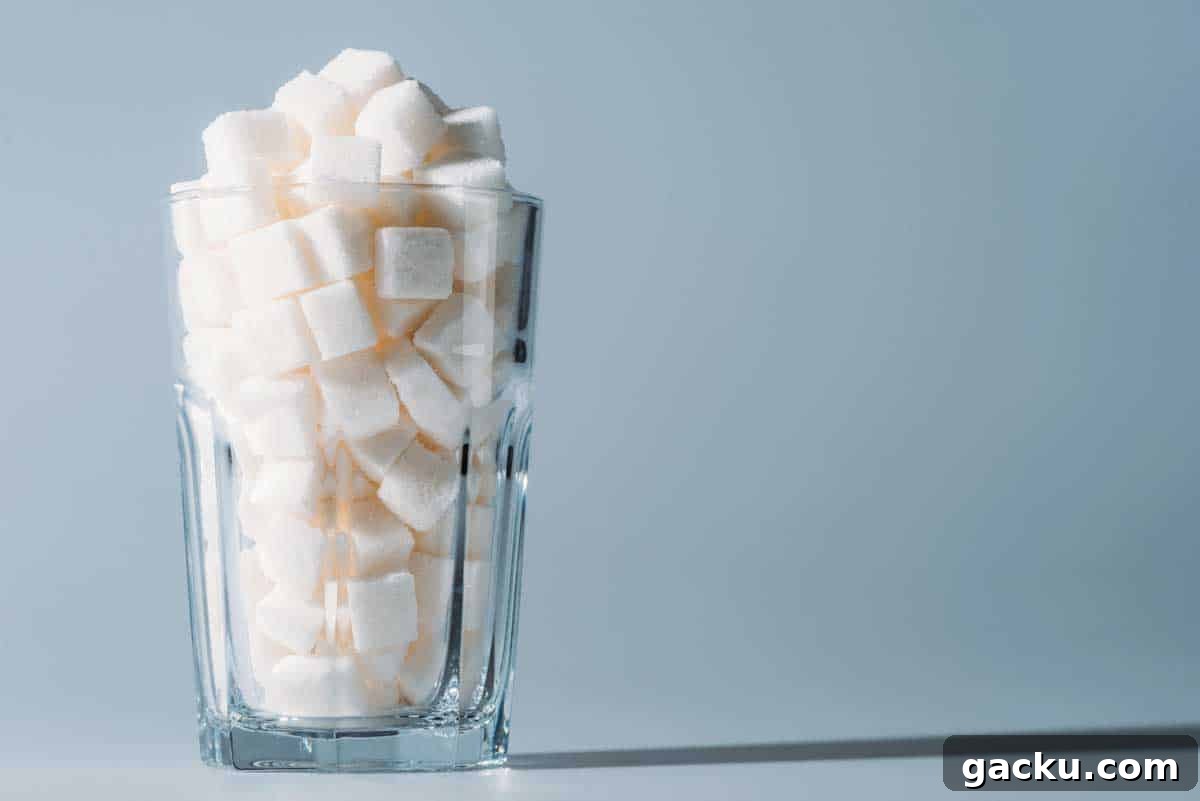
White granulated sugar is the most widely used sweetener. With medium-sized, uniform crystals and a neutral taste, it dissolves easily and is ideal for creaming with butter to create light, airy cakes and cookies, or for melting into sauces. Its versatility makes it a pantry staple for most baking and cooking needs.
- Standard, versatile sweetener for most recipes.
- Often called table sugar; blends well into batters, sauces and beverages.
Brown sugar
Brown sugar is granulated sugar with added molasses. Light brown sugar has a milder flavor and less moisture, while dark brown sugar contains more molasses and delivers deeper, more caramel-like notes. Brown sugar adds moisture and chewiness to cookies, richness to cakes and depth to sauces and glazes, making it a great choice when you want a more complex flavor and softer texture.
- Light brown: milder, suitable for cookies and breakfasts.
- Dark brown: richer, ideal for gingerbread, barbecue sauces and hearty baked goods.
Powdered sugar
Also called confectioners’ or icing sugar, powdered sugar is finely ground granulated sugar blended with a small amount of cornstarch to prevent caking. Its powdery texture dissolves quickly, making it perfect for icings, glazes, whipped frostings and dusting finished pastries. Because it lacks distinct crystals, it isn’t suitable for creaming with butter but excels in producing tender, melt-in-your-mouth cookies and smooth frostings.
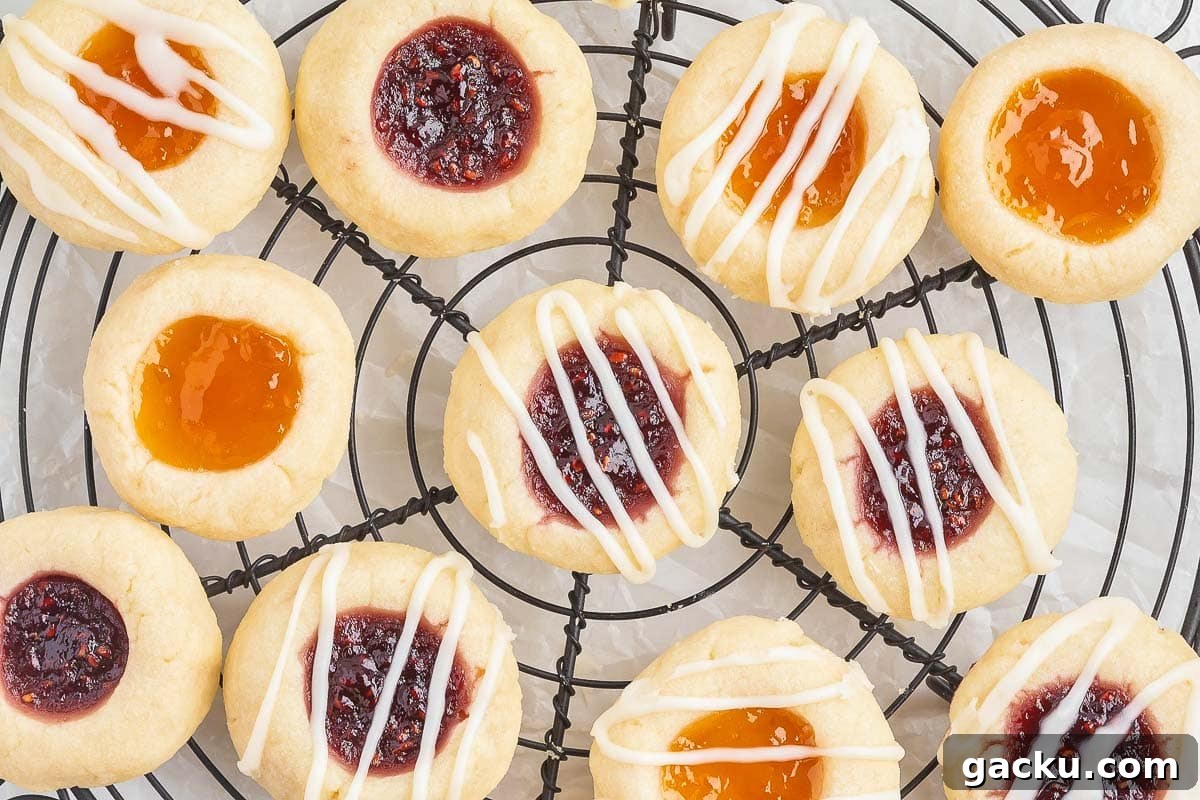
- Finely ground sugar mixed with cornstarch to prevent clumping.
- Best for frostings, icings, dusting and recipes that require a smooth finish.
Superfine sugar
Also known as caster or baker’s sugar, superfine sugar has smaller crystals than regular granulated sugar, so it dissolves particularly quickly. It’s preferred in delicate desserts, meringues, syrups and drinks where a smooth texture and rapid dissolution are important.
- Finer than granulated sugar, dissolves quickly.
- Ideal for delicate desserts, meringues and beverages.
Raw sugar
Raw sugars such as turbinado and Demerara retain some molasses and have larger, coarser crystals with a light golden color. They’re great as finishing sugars when you want a crunchy texture and a hint of caramel flavor. Raw sugars also work well in breads, sauces, spice rubs and as sweeteners for hot beverages.
- Coarser crystals with subtle molasses notes.
- Best used for finishing, adding crunch and a caramel touch to recipes.
Coconut sugar
Made from the sap of coconut palms, coconut sugar has a caramel-like flavor similar to brown sugar. It’s increasingly popular as a natural sweetener in baking and cooking and can be substituted in many recipes that call for brown sugar for a slightly different flavor profile.
- Natural sweetener with caramel-like flavor.
- Versatile in both baking and savory applications that benefit from a deeper sweetness.
Liquid sweeteners
Liquid sweeteners add sweetness along with distinctive flavor and moisture. Common options include:
- Honey: A fragrant, natural sweetener used in baking, dressings, marinades and beverages.
- Maple syrup: A rich-tasting syrup used for pancakes, glazes, desserts and baking.
- Agave nectar: A sweet syrup with a relatively low glycemic index often used as a sugar substitute in drinks, desserts and baked goods.
Liquid sweeteners are also frequently used to make simple syrups for cocktails and beverages, or to add moisture and flavor to baked items. They can change the texture and baking time slightly, so recipes may need small adjustments when swapping between dry and liquid sweeteners.
Sugar plays many roles beyond sweetness: it shapes texture, supports fermentation, aids preservation and contributes to color and flavor complexity. Choosing the right type of sugar helps you achieve the best results for each recipe, whether you’re making a delicate meringue, a soft cookie, a glossy glaze or a rich sauce.
Jere Cassidy writes and develops recipes at One Hot Oven. She trained at culinary school to deepen her baking skills and shares approachable recipes for home cooks and bakers at every level.