
There are many types of cutting boards, and most of us don’t spend much time choosing the right one.
Aside from my chef’s knife, which I’ve used for about 30 years, cutting boards have had a big role in my kitchen. People often ask which cutting board I prefer. I don’t have a single favorite, but I do choose specific boards for specific tasks, and I’ll explain why.
Join 500+ cozy folks for weekly recipes, crafts & good vibes – from my home to yours.
When you sign up, I’ll send you the Cozy Weekend Starter Pack — a free PDF with 3 recipes, 3 crafts, & cozy weekend ideas.
[feast_advanced_jump_to]
🤔 Considerations
Choosing the best cutting board usually comes down to wood versus plastic. Glass boards exist, but they blunt knives and are uncommon among cooks who care for their blades. Your choice depends on what you value: looks or durability, price or ease of cleaning, blade protection or food safety. Are you handy and considering a homemade board? Those factors matter, too.
💰 Price differences
The biggest contrast is price. A sturdy, full-size plastic board can start at around $3. Wood boards of the same size begin at a higher price and can go much higher depending on quality and craftsmanship.
💪 How about durability?
Plastic boards are inexpensive, so replacing them often isn’t painful. But that also contributes to more plastic waste. With proper care, wooden boards last far longer — my meat carving board is over a decade old and still doing the job.
🍋 How to clean a cutting board
Plastic boards are simple to clean: soap and a sponge work, and many are dishwasher-safe — although some cheaper plastics can warp. Plastic can also be bleached if you want to sanitize thoroughly.
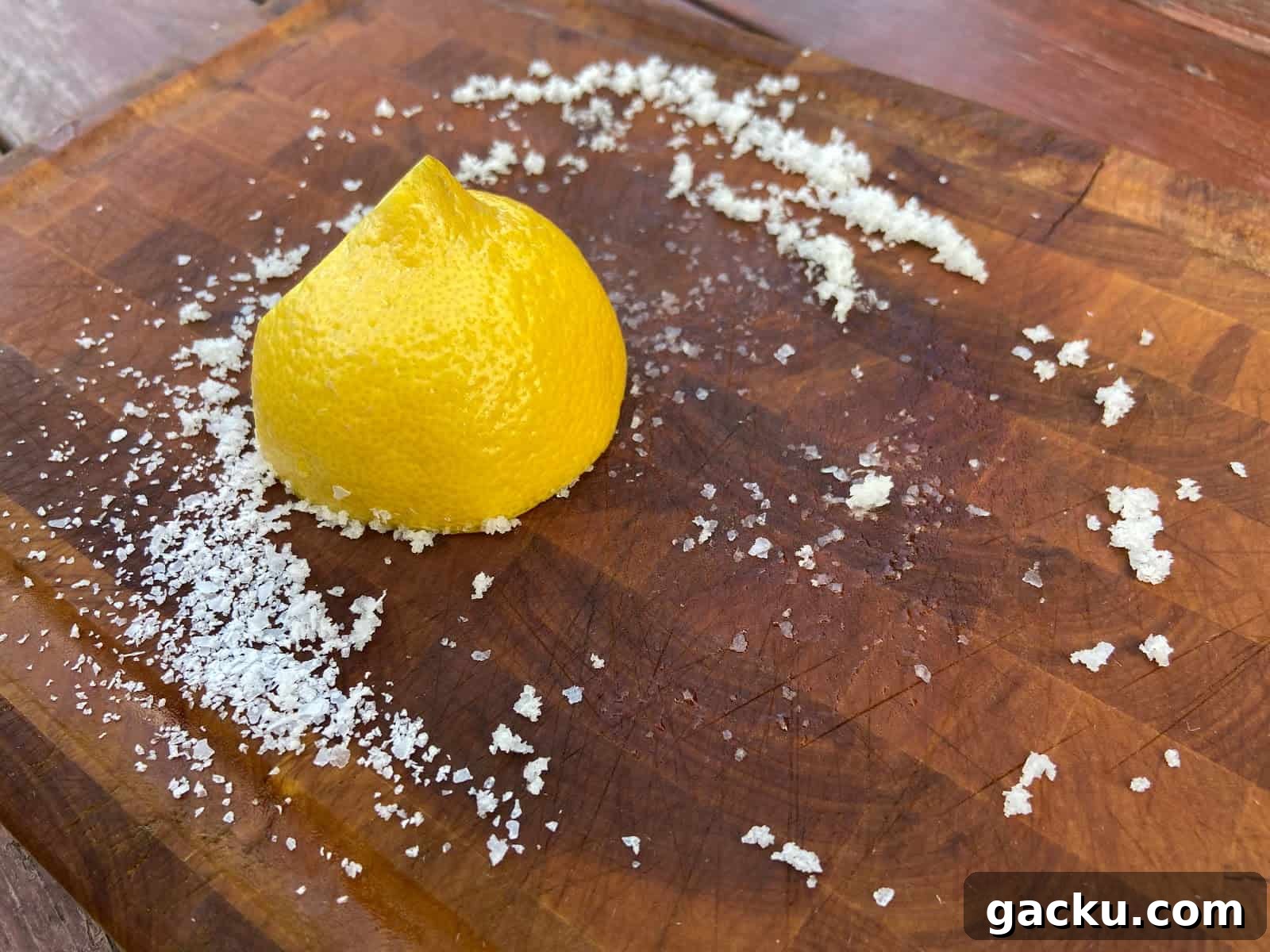
Wood boards require a bit more care. Wash them with soap and a sponge, but don’t put them in the dishwasher. A reliable method is to sprinkle coarse salt on the board and rub it with a cut lemon, let it sit about five minutes, rinse, then air dry. Once a month apply food-grade mineral oil to keep moisture and bacteria out. Avoid avocado or other vegetable oils, which can go rancid.
🦠 What about bacteria?
Opinions vary, but common-sense precautions help. New plastic boards don’t absorb food, so they don’t harbor bacteria — until knife cuts form grooves where food can lodge. Those grooves can be difficult to clean completely, allowing bacteria to survive.
Wood boards are porous, so microscopic food can enter the surface. Interestingly, research has found less surviving salmonella on wood than on plastic. On wood, bacteria tend to sink below the surface where they don’t multiply and eventually die, while on plastic they can remain trapped in grooves.
🔪 How does your knife feel?
Knives last longer on wood or hardwood-like surfaces. Hardwoods such as maple or beech are kind to edges. Plastic surfaces tend to dull knives faster.
🌿 So what’s the best cutting board? Wood or plastic?
Neither wood nor plastic is a clear winner. Bamboo — technically a grass — is a great option. It’s a fast-growing, renewable resource and behaves similarly to wood while often being harder. Care is the same as for wood, though bamboo can crack more easily, so regular oiling helps.
❓ Cutting board or chopping board?
I’ll leave that to regional preference — both names are commonly used.
⭐ Other considerations and cutting board hacks
Here are some practical tips I use in the kitchen.
Lifehack
If your board slides on the counter, place a damp kitchen towel underneath to keep it steady.
Color coding
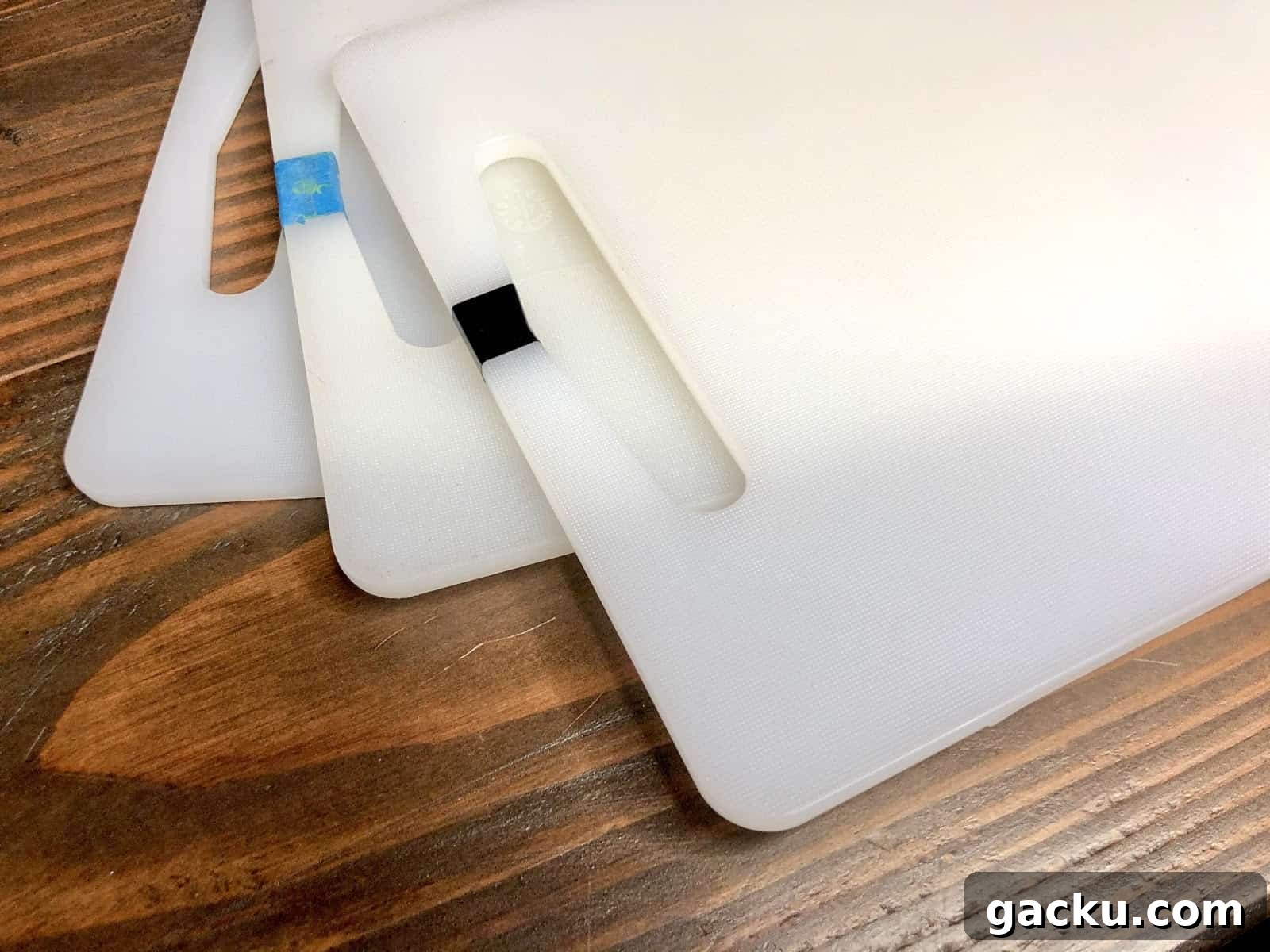
Professional kitchens use color-coded boards to avoid cross-contamination: green for produce, yellow for raw poultry, blue for cooked food, white for dairy, brown for fish and seafood, and red for raw meat. At home I mimic this approach in a simplified way: one plastic board for meats (one side raw, one side cooked) and another board for everything else, marked with tape for easy identification.
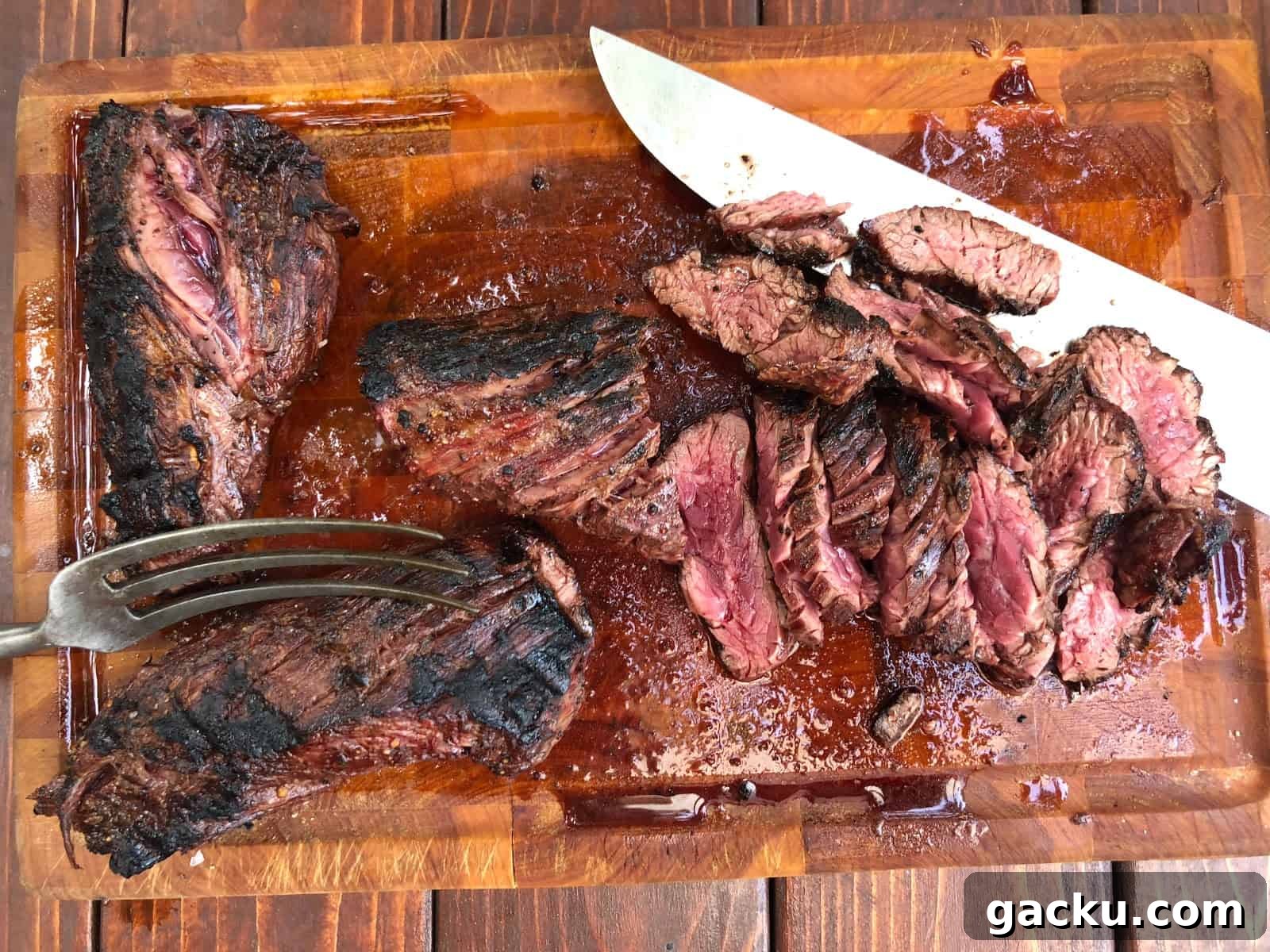
Meat carving board
My carving board has a juice groove or “moat” that collects juices while meat rests and during carving. It’s perfect for roasts and large joints.
Storage
After cleaning, store boards upright so they dry evenly. Moisture encourages bacterial growth, so keeping them dry and well-ventilated is important.
I hope this helps you choose the right board for your needs. It’s often not a simple black-or-white decision — think about what matters most to you. I’m even considering making my own wooden board this summer, so maybe I’ll share that project later. Keep chopping!
Do your friends enjoy interesting articles too? Share this article and tell us what you think by commenting below!
Tell us: Which cutting board is your favorite?