Millions of people are staying home right now. To beat boredom and build useful habits, here’s a list of kitchen skills worth mastering while you have extra time. These techniques are practical, reduce food waste, and will serve you for years.
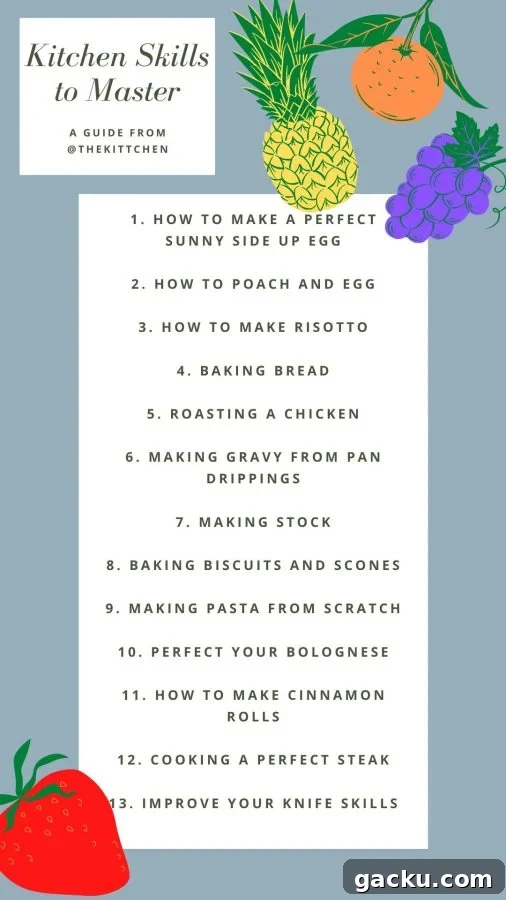
Kitchen Skills to Master
Table of Contents
Toggle

How to Cook a Perfect Sunny Side Up Egg
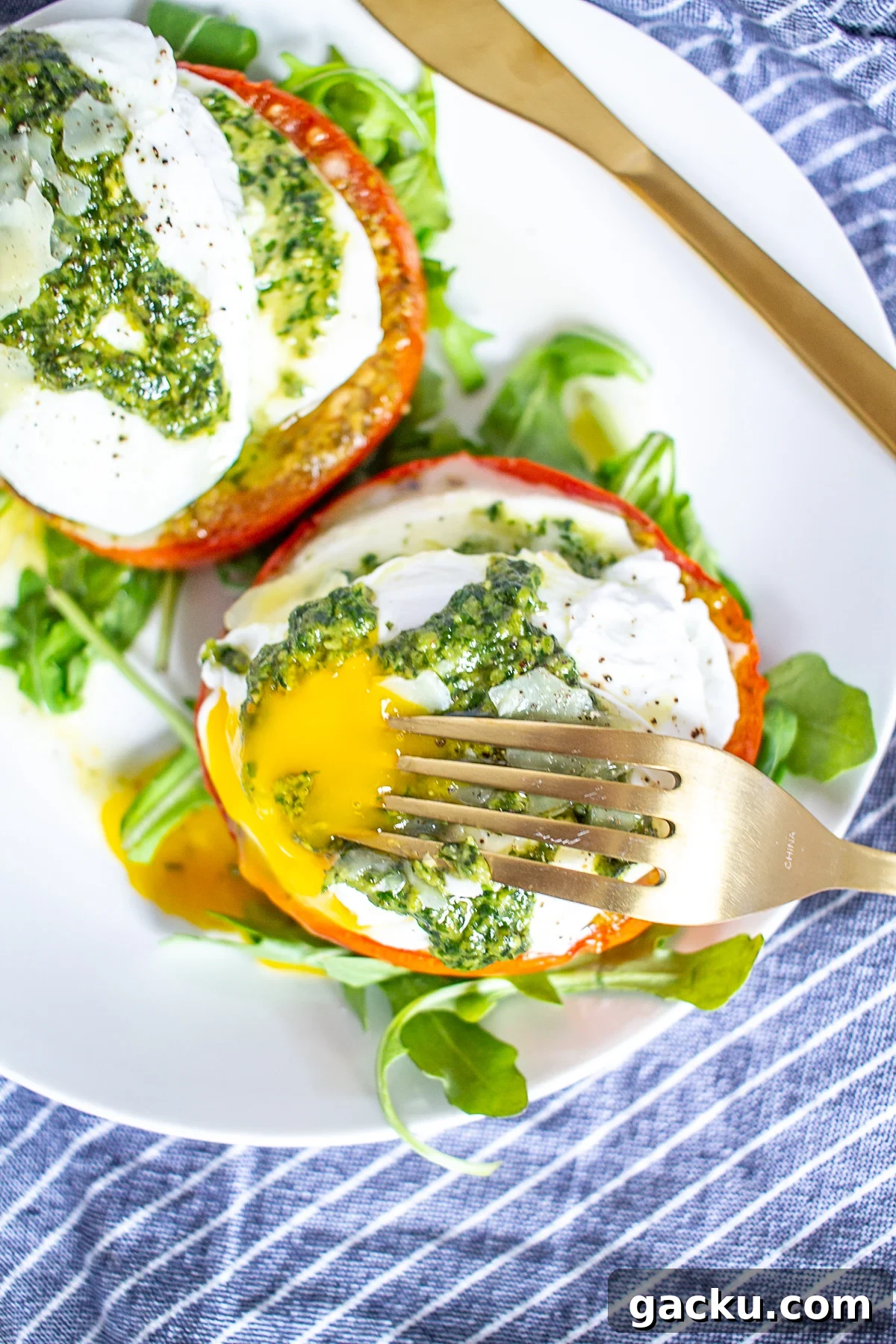
A textbook sunny side up egg has a set white and a runny yolk. Mastering this simple technique opens endless possibilities: eggs and toast, a fried egg on a sandwich or pizza, or as a finishing touch on bowls and salads. Focus on low heat, a lid to gently steam the top if needed, and fresh eggs for the best results.

How to Poach An Egg
Poached eggs elevate dishes like Eggs Benedict and grain bowls. A reliable method is to use a shallow skillet with gently simmering water rather than vigorous swirling; this makes it easier to poach several eggs at once. Use fresh eggs, add a splash of vinegar to help the whites set, and time each egg for soft to medium doneness based on preference.
How to Make Risotto
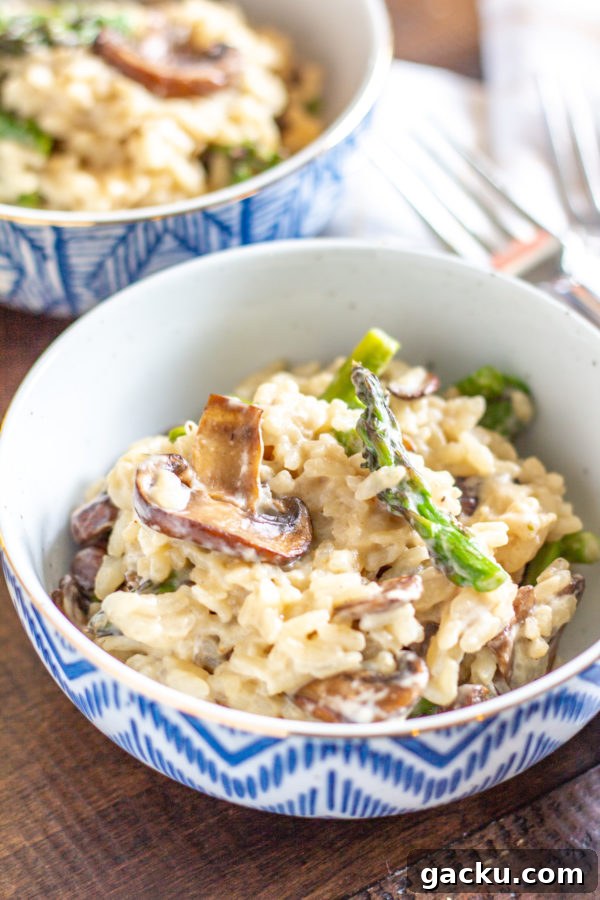
Risotto is simply arborio rice cooked slowly with warm broth until creamy. The technique—slowly adding hot stock and stirring—releases the rice’s starches and creates a rich texture. Once you’ve mastered the base, add cheese, roasted vegetables, herbs, or seafood depending on what you have in the pantry.
How to Bake Bread
With commercial bread sometimes hard to find, baking at home is a practical skill. Start with a basic white sandwich loaf or no-knead artisan loaf, and learn to manage yeast, hydration, and proofing. If you’re interested in long-term baking projects, creating and maintaining a sourdough starter is a rewarding next step.
How to Roast a Chicken
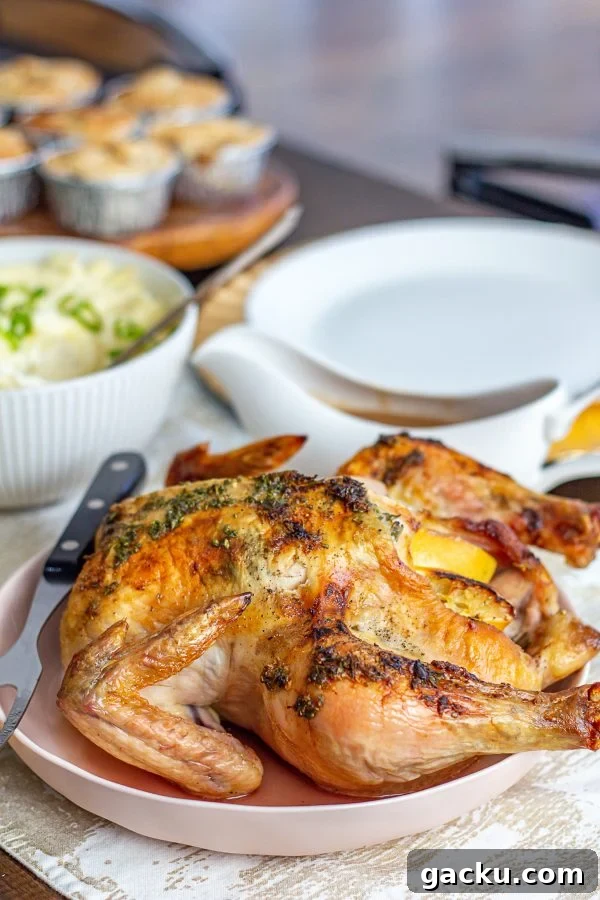
Roast chicken is comforting, economical, and versatile. Roast one or two birds and use leftovers for salads, sandwiches, soups, and casseroles. Pay attention to seasoning, even browning, and resting time to keep the meat juicy and flavorful.
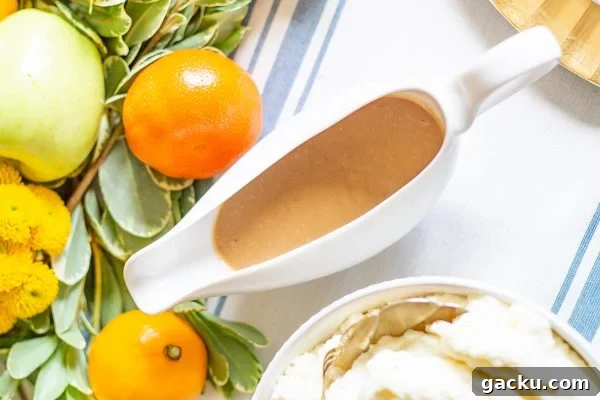
How to Make Gravy from Pan Drippings
Don’t discard pan drippings—use them to make a rich gravy. Deglaze the roasting pan with stock or wine, strain if desired, and thicken with a roux or slurry. This technique works for chicken, turkey, and roast beef and makes the most of concentrated flavors.
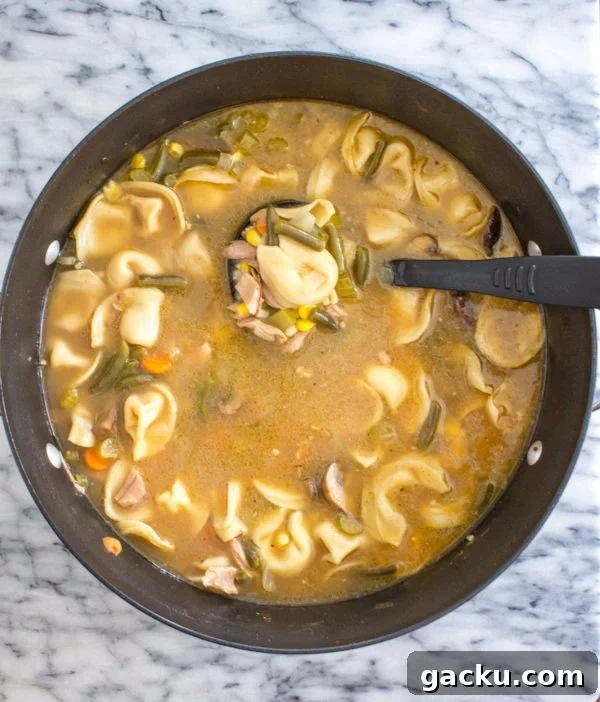
How to Make Stock
Making stock from leftover bones, vegetable scraps, and herbs is an efficient way to reduce waste and build flavor. Simmer gently for several hours, strain, cool, and freeze in portions for future soups, risottos, and sauces. It’s economical and elevates many dishes.

How to Make Biscuits and Scones
Biscuits and scones are quick, forgiving bakes that reward basic technique. Mastering a flaky buttermilk biscuit and a tender scone gives you a platform to add cheeses, herbs, fruits, or chocolate. They’re ideal for weekend baking and make great gifts or freezer-ready snacks.
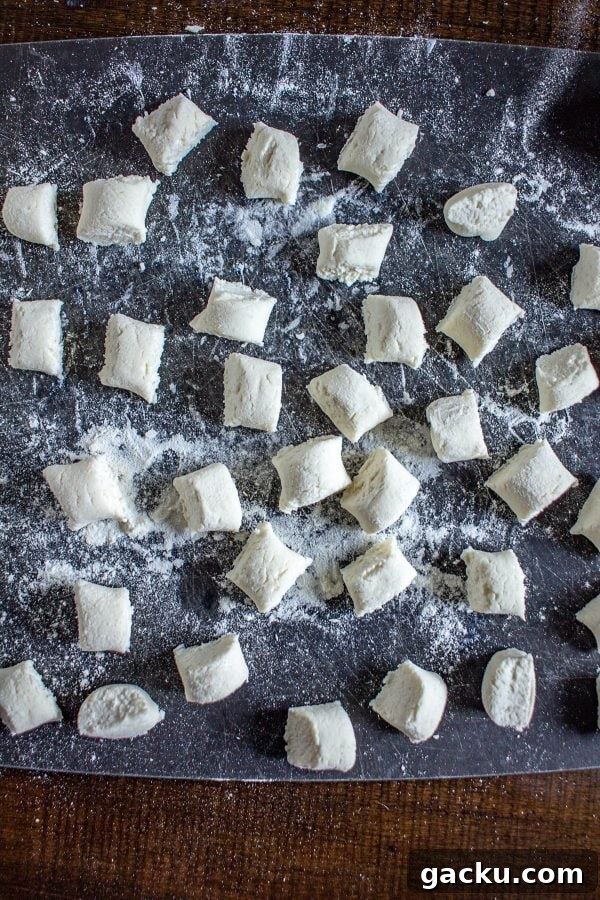
How to Make Pasta from Scratch
Fresh pasta and simple dumplings like ricotta gnocchi are approachable projects. They require few ingredients, can be portioned and frozen, and offer satisfying hands-on work. Start with an easy dough, practice rolling and cutting, then experiment with shapes and fillings.
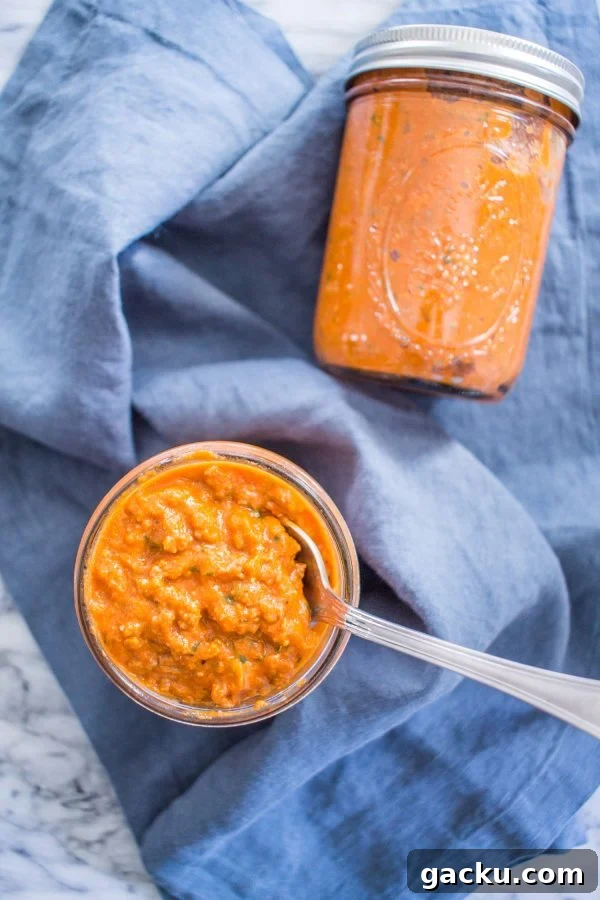
Perfect Your Bolognese
Now is a great time to simmer a rich Bolognese. Slow-cooking allows flavors to meld and creates a sauce you can use in pasta, lasagna, or as a base for other dishes. Make a double batch and freeze portions for hassle-free meals later.
Learn to Make Cinnamon Rolls
Homemade cinnamon rolls with cream cheese frosting are a special treat. Try an overnight method that lets the dough rest in the fridge and gets baked fresh in the morning—perfect for weekend indulgence or holiday mornings.
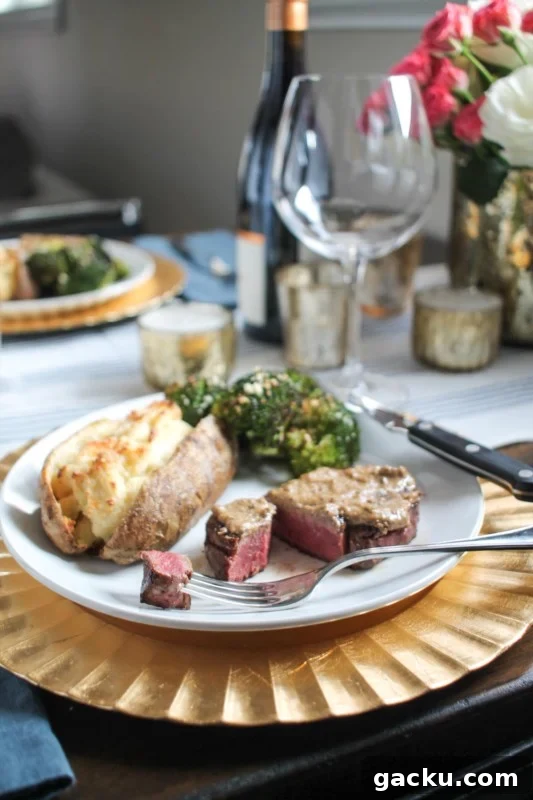
Cook the Perfect Steak
Cooking steak well comes down to temperature control and simple technique. Use a hot pan or grill, sear to develop a crust, then finish to your preferred doneness—using a meat thermometer if needed. Let the steak rest before slicing to retain juices.
Improve Your Knife Skills
Knife skills are essential for safety and efficiency. Practice proper grip, consistent chopping motions, and safe cutting techniques to reduce the risk of injury and speed up prep. Learning basic cuts—dice, mince, julienne, and chiffonade—will improve every recipe you make.