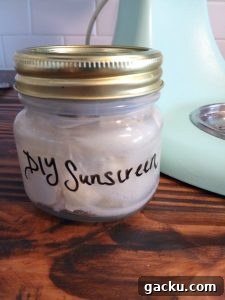
Natural Homemade Sunscreen
+ added bug repellent ingredients
Learn how to make a simple, natural homemade sunscreen to protect your family this summer. Shea butter, zinc oxide, and select essential oils form the base of this easy recipe.
Disclaimer: This post contains affiliate links. I may earn a small commission if you make a purchase, at no extra cost to you. I only recommend products I trust.
Summer is here and the days are getting hot in the Pacific Northwest. Even on overcast days, it’s important to have sunscreen on hand.

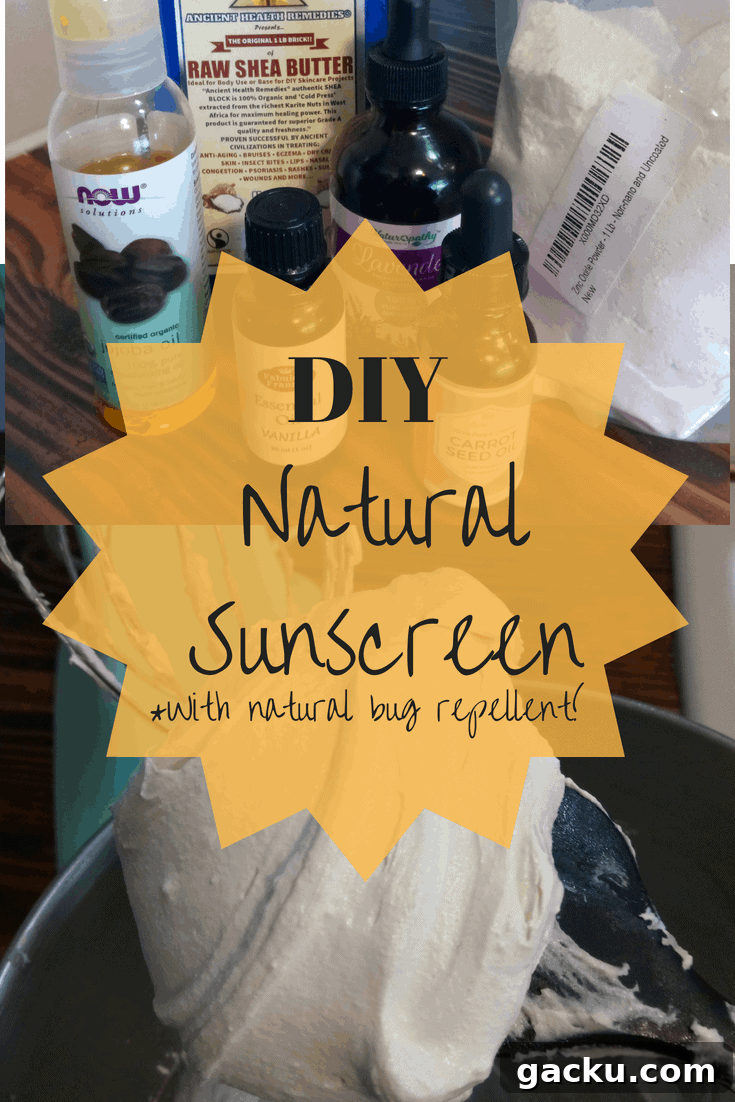
This natural sunscreen is effective and very EASY to make.
Really simple — everything goes into a mixer and you whip it together.
No stand mixer? Any hand mixer or beater will do.
There is NO heating, no double-boiler, no refrigeration, and it’s ready in under five minutes. There’s a quick clean-up tip at the end, too.
Zero excuses — let’s protect your skin the simple way.
Why I started making our own natural sunscreen
One word: hives.
My firstborn broke out in hives at three months old. Following the pediatrician’s advice, we stopped using certain detergents, lotions, and soaps.
That experience made me cautious about everything applied to his skin. I began reading labels closely and researching sunscreens to avoid another reaction.
What I discovered about many store-bought sunscreens was concerning — long ingredient lists with chemicals I didn’t want on my children’s skin. So we avoided conventional options.
What we did instead
We tried natural and organic sunscreens, but many felt sticky, were very thick, and were expensive for the amount you get.
I tested several DIY recipes and learned what worked and what didn’t. Some left an obvious white cast, others caused breakouts. After experimenting, I settled on this balanced recipe that has worked well for our family.
Why make your own even without sensitivities?
Many commercial sunscreens contain ingredients that raise health concerns for some people. Some research and expert opinions suggest certain compounds in conventional sunscreens can generate free radicals or act as endocrine disruptors.
I encourage you to research and make choices that fit your comfort level. This recipe offers an option using mineral-based protection and familiar skin-loving ingredients.
The ingredients used in this DIY sunscreen
This recipe uses ingredients that offer natural sun protection and also benefit the skin.
Shea butter: SPF 4–6
Jojoba oil: SPF 4
Carrot seed oil: SPF 35–40
Zinc oxide: SPF 10–20
For added insect-repelling properties, you can include essential oils such as lavender, lemon eucalyptus, and tea tree. These oils are commonly used as natural pest deterrents and pair well with sunscreen for outdoor use.
Important: Not all essential oils are safe for young children. Many experts recommend avoiding essential oils on children under two. If you plan to use this sunscreen on an infant, omit essential oils.
Just a note on these ingredients
These ingredients may not be common in every home, but they are versatile and useful beyond this recipe. I didn’t own them until my son’s skin reaction prompted me to learn more.
- Shea butter combined with jojoba oil makes a nourishing, kid-friendly body lotion.
- Pure shea butter works as a simple frizz-taming hair treatment—rub a small amount between palms and smooth on dry ends.
- Zinc oxide can be used in homemade diaper creams or face masks for its protective and mild antibacterial properties.
- Lavender, carrot seed, and tea tree oils are useful in small amounts for facial serums and topical blends, when used safely and appropriately.
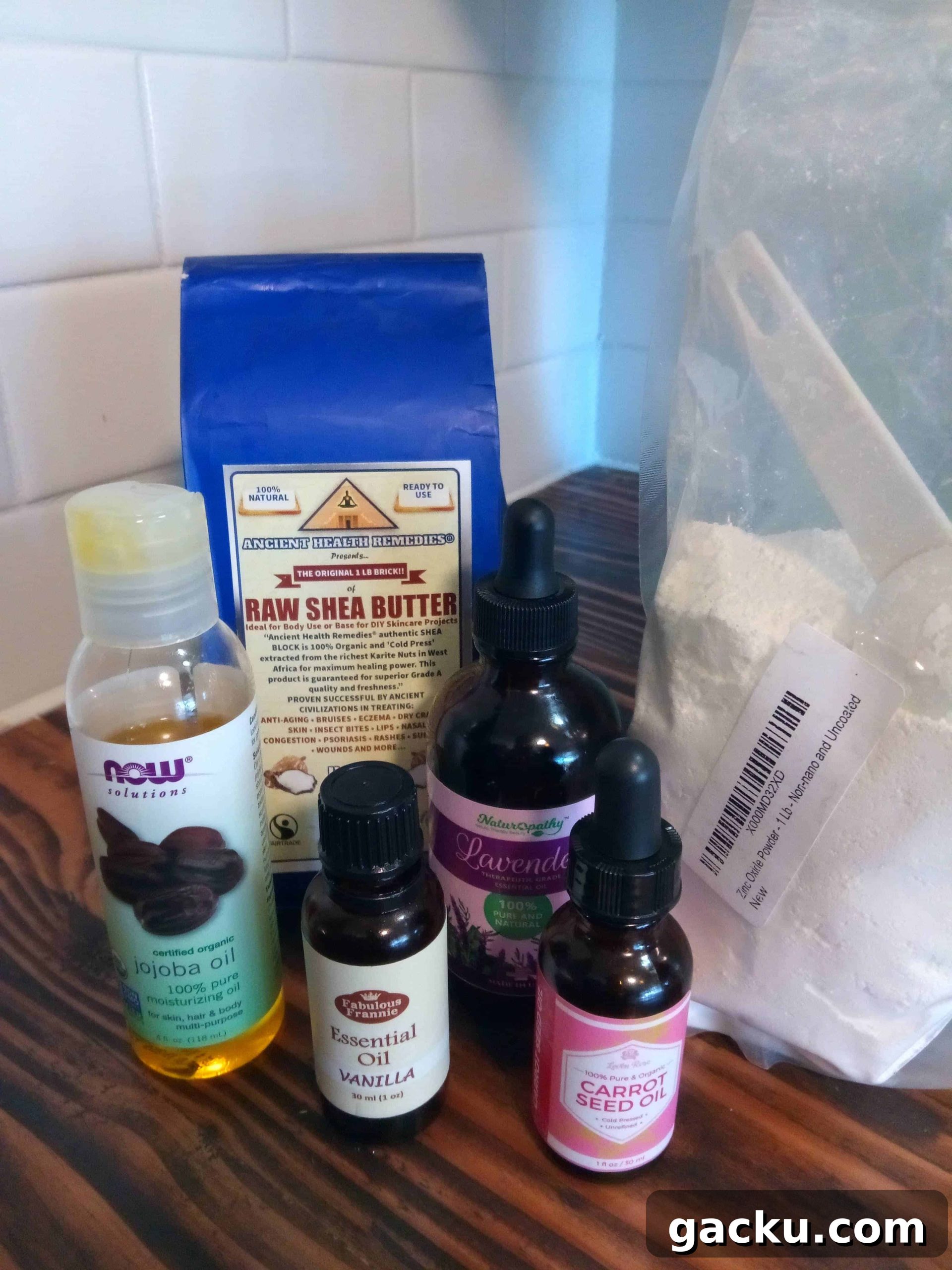
Don’t be intimidated — the ingredients are straightforward and multi-purpose.
Ingredients for Natural Homemade Sunscreen
- ½ cup shea butter
- 2 tablespoons jojoba oil
- 1 teaspoon carrot seed oil
- 1 tablespoon zinc oxide (non-nano, uncoated)
- 15–20 drops essential oil of your choice (optional; omit for infants)
NOTE:
- Avoid citrus essential oils (lemon, orange) as they can increase photosensitivity.
- For insect-repellent properties, try a blend of lavender and tea tree: about 12 drops lavender and 8 drops tea tree. You can substitute some lavender with lemon eucalyptus if desired, but follow safety guidance for children.
How to Make Your Natural Sunscreen
- Place the shea butter in the bowl of a mixer and beat on medium until it softens and breaks up. If it’s very firm, see the troubleshooting tip below.
- Add the jojoba oil, carrot seed oil, and any essential oils. Whip on high for about one minute, scraping the bowl as needed.
- Slowly stir in the zinc oxide powder, then whip again until fully incorporated and smooth. Be careful to avoid inhaling the powder.
- Transfer the finished sunscreen into a clean jar or container.
- Store in a cool place and use as you would any sunscreen. Reapply regularly, especially after swimming or sweating.
Quick Clean-Up Tip
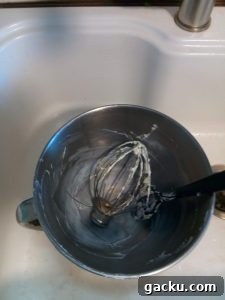
To make cleaning easier, boil a pot of water or use an electric kettle while you finish. After transferring the sunscreen to its container, place the beater and spatula in the mixing bowl and pour boiling water over them to melt remaining oils. Pour out the oily water and wash as usual. Running them through the dishwasher afterward helps remove residue.
In-Store Sunscreens to Consider
If you don’t have time to make your own, here are a few mineral-based options to consider that offer broad-spectrum protection.
Pacifica Mineral Sunscreen, SPF 30
Babyganics Mineral Sunscreen, SPF 50
Kids Uber-Sensitive Mineral Sunscreen, SPF 40
Learn more and decide what’s best for you
There are many resources and expert perspectives about sunscreen ingredients and safety. Review reputable sources, consult healthcare providers when in doubt, and choose products or DIY solutions that match your family’s needs and comfort level.
A note on essential oils and children
Essential oils can be helpful but are not always safe for young children. Research each oil and follow pediatric guidance. When in doubt, leave essential oils out of products intended for infants and toddlers.