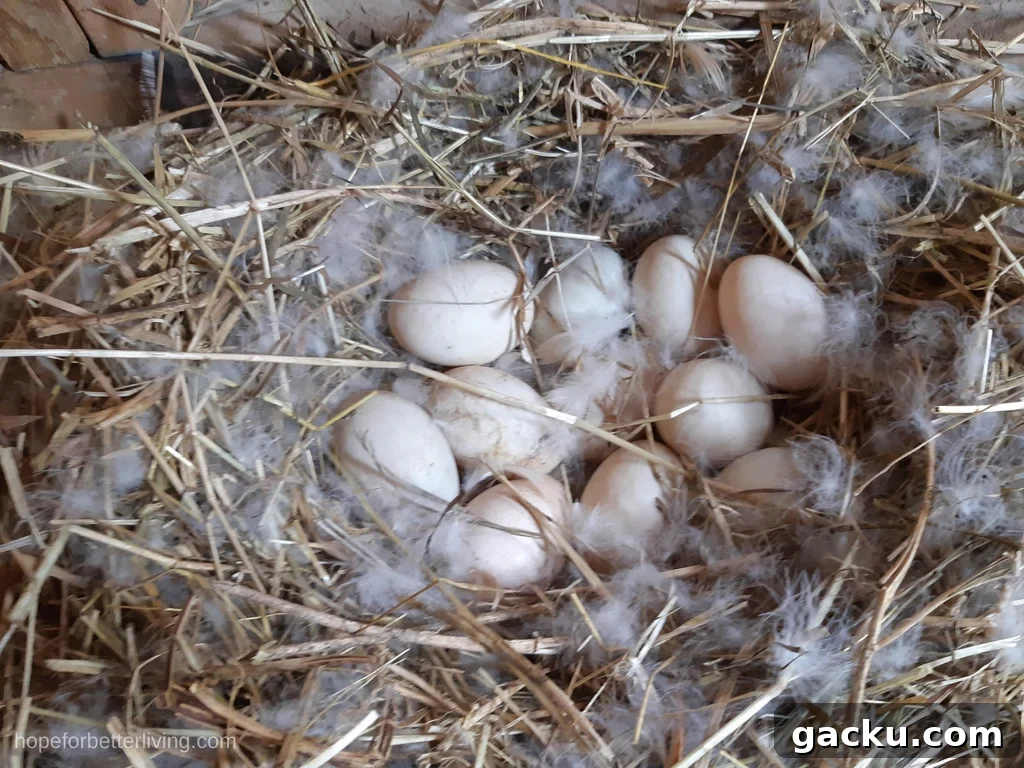
When we bought 20 ducks from a local egg farm, our original plan was to raise them for meat. Once we started getting eggs, however, we decided to keep a few layers for ourselves. The challenge was that the flock contained birds of different ages, and we didn’t want to keep older hens that no longer produced. So we learned how to tell if a duck is laying.
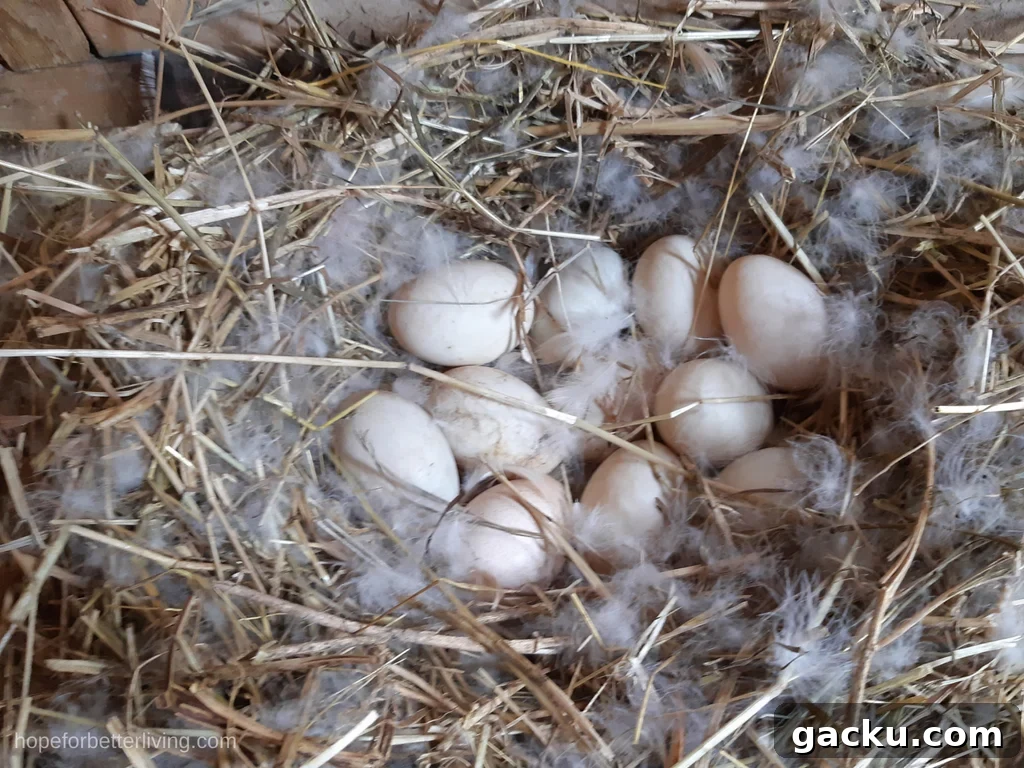
How to Tell If a Duck is Laying
The most reliable method for checking whether a duck is laying is a hands-on pelvic check. It sounds awkward, but it’s straightforward and effective. Wear old clothes and expect some dirt and manure—this is farm work.
You’ll need to feel the space between the pelvic bones. If a hen is actively laying, you should be able to comfortably fit 3–4 fingers between the pelvic points. Yes, you will need to feel around under the tail, so be prepared.
Work through each female in the flock one at a time. Contain the ducks in their house or a small pen while you inspect them so you can release each bird back outside after checking. If you plan to cull non-layers, keep a tube of oil-based paint or similar marking method on hand to identify birds to be removed.
Step-by-Step Guide to Testing
Gently catch a duck and settle it across your lap so it’s calm and supported. Look for the pelvic bones by running your fingers down the duck’s belly until you feel two V-shaped bones just above the vent, pointing toward each other like > <.
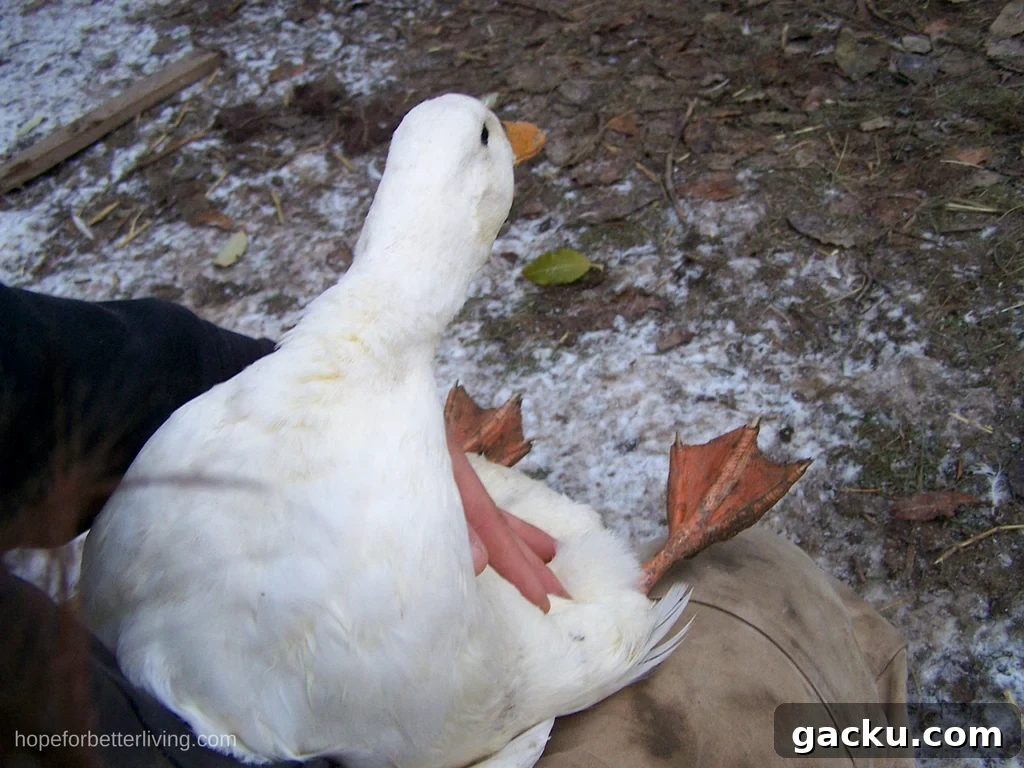
Warning: don’t press hard on the abdomen or you may trigger a mess. Once you locate the pelvic bones, gently try to slide 3–4 fingers between the points. If they fit comfortably, the duck is likely laying well.
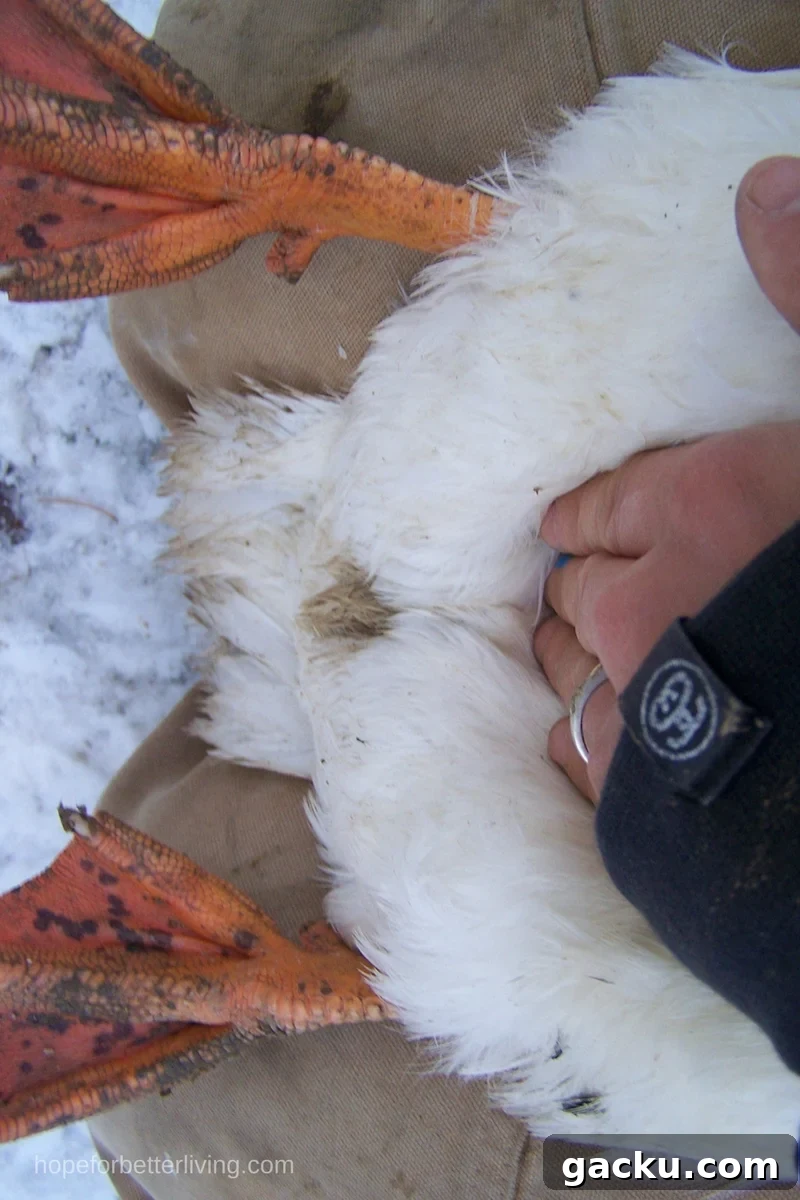
If you can only fit two fingers between the bones, the bird is probably a sporadic layer or may be a small breed with naturally narrower spacing. If only one finger or none fits, the bird is likely past her prime for egg production and is a candidate for culling. Mark those birds where they won’t be able to wash the paint off.
As you repeat this test across the flock, you’ll become quicker and more confident. With a large number of ducks, the inspection process can move surprisingly fast once you know what to feel for.
When to Run This Test
For best results, perform pelvic checks when ducks are generally producing well—typically in spring and early summer. Egg production naturally decreases in colder, darker months, especially for flocks without supplemental lighting. During winter, a laying hen’s pelvic gap can narrow, so interpret results carefully if testing in the off-season.
Keep seasonal variation in mind: a bird that appears to have tightened pelvic bones in winter may still be a good layer in spring. Conversely, a wide pelvic gap during peak season is a reliable sign of active laying.
Conclusion
The finger-width pelvic test is a practical way to determine whether a duck is laying. While it can be messy, it’s accurate and fast once you get the hang of it. To reduce the need for frequent checks, keep detailed records—note when you purchased the birds, their estimated ages, and their production over time. On average, a duck hen will lay well for about five years, so tracking age and performance helps you make better decisions without constant handling.