Rice is incredibly versatile. It can take center stage in a meal, complement other flavors, or serve as a simple side. While there are tens of thousands of rice varieties worldwide according to Think Rice, the common cooking techniques are relatively few and easy to master.
Table of Contents
Toggle
Do You Drain Your Rice?
Whether to drain rice depends on the cooking method. If you cook rice in a large amount of water, you will drain it. If you rinse or soak rice before cooking, drain it first. If you use the absorption method or steam it, draining is not necessary.
Rice Cooking Methods
There are three primary ways to cook rice: the absorption method, the boiling method (which includes parboiling), and steaming. Each produces different textures and suits different dishes.
– The boiling method uses plenty of water and requires draining once the rice is cooked.
– The absorption method adds only the water the rice needs to cook, so no draining is needed.
– Steaming is ideal for sticky or short-grain rices and also does not require draining. Remember to drain rice after rinsing or soaking before you begin cooking.
Absorption Method
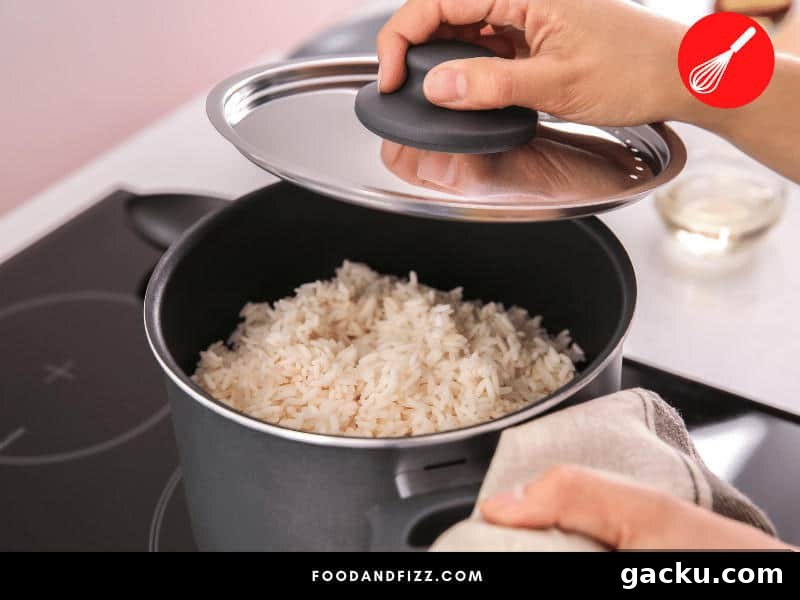
The absorption method requires accuracy: you add the exact amount of water the rice will absorb while cooking. Too much water makes rice soft and mushy; too little leaves it undercooked or prone to burning. A common guideline is a 2:1 water-to-rice ratio for many types, but some varieties need adjustments. Follow package instructions when available.
Cover the pot with a tight-fitting lid, bring the water to a boil, then reduce heat to low and let the rice simmer. Keep the lid on and allow the rice to rest off the heat for 10–20 minutes so residual steam finishes the cooking and yields fluffy grains.
The Boiling Method
If you prefer a forgiving approach or don’t want to measure precisely, the boiling method works well. Add more water than the rice needs and cook until the grains are tender. Pour the cooked rice into a colander to drain excess water. This approach is simple and reliable for many long-grain varieties.
Parboiling
Parboiling is similar to boiling but stops before the rice is fully cooked. You drain the rice and finish cooking it later—often within a layered or mixed dish like biryani—so the grains absorb additional flavors without overcooking.
Steaming Rice
Steaming is the traditional method for sticky and sushi rice. Short-grain varieties respond best to steaming, which produces tender, sticky textures useful for molding or forming sushi. Use a steamer pot and basket with the water level below the basket so the rice cooks in steam rather than boiling water. Keep the basket covered to retain heat and moisture.

Which is Better, Parboiling or Absorption Method?
There’s no single best method; choose based on the dish and your tolerance for precise measurement. Parboiling (or boiling) is forgiving and reduces the risk of burning, while the absorption method produces evenly cooked, fluffy rice when you use the correct water ratio.
Consider texture: steaming yields sticky rice ideal for shaping and sushi; absorption makes rice fluffy and separate; boiling often produces firmer grains suited to side dishes.
Should You Rinse Rice?
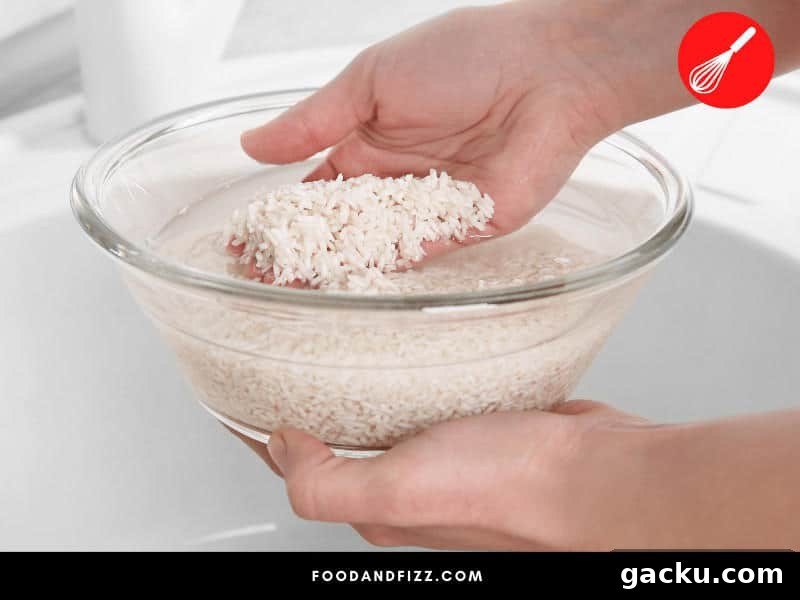
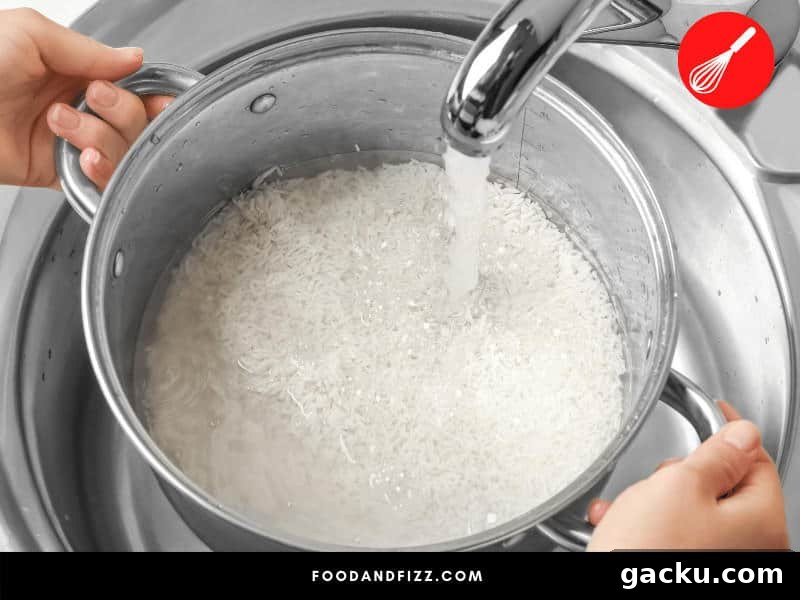
Rinsing removes surface starch, dust, and debris. Historically it was essential; today many packaged rices are clean enough that rinsing isn’t required. Sticky or sweet varieties often benefit from thorough rinsing until the water runs clear. If you rinse, be sure to drain the rice before cooking.
Should You Soak Rice?
Soaking depends on the rice type. Glutinous, wild, and some whole-grain rices may benefit from soaking—sometimes overnight—to shorten cooking time and improve texture. Most white rice varieties do not require soaking. When soaked, the rice needs less cooking water because it has already absorbed moisture.
Conclusion to Do you Drain Rice?
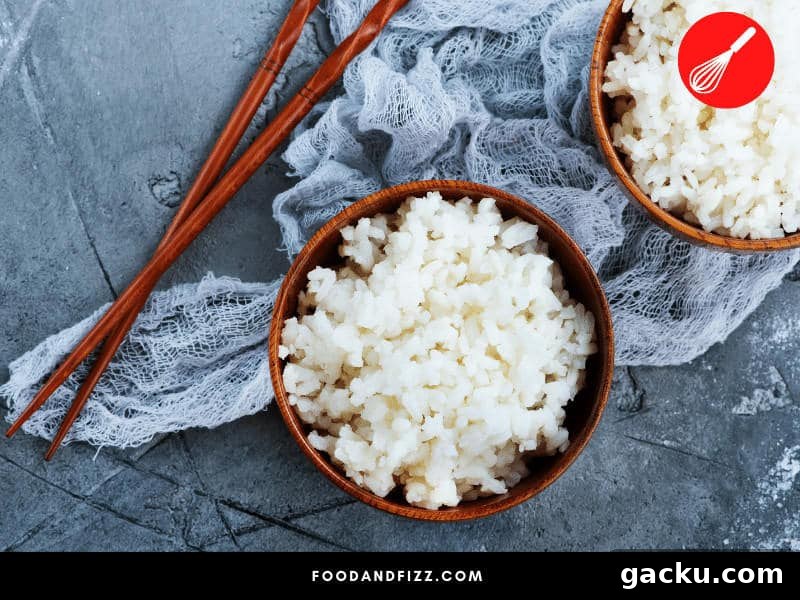
In summary: drain rice after cooking when you use the boiling or parboiling methods. Drain rice after rinsing or soaking. Do not drain when using the absorption method or when steaming. Choose the technique that matches the rice type and the texture you want for your dish.
Frequently Asked Questions on Do You Drain Rice?
Why Does Rice Become Mushy?
Rice becomes mushy when it’s overcooked and absorbs too much water. Avoiding excessive cooking time and following correct water ratios prevents this.
How Do You Fluff Rice?
Let cooked rice rest covered for at least 10 minutes. Then gently fluff with a fork or rice paddle—lift the grains rather than stirring—to separate them without crushing.
Should Rice Be Rinsed After Cooking?
No. Rinsing cooked rice will wash away flavor and make the texture mushy or overly sticky. If you need to remove excess water, drain rather than rinse.