
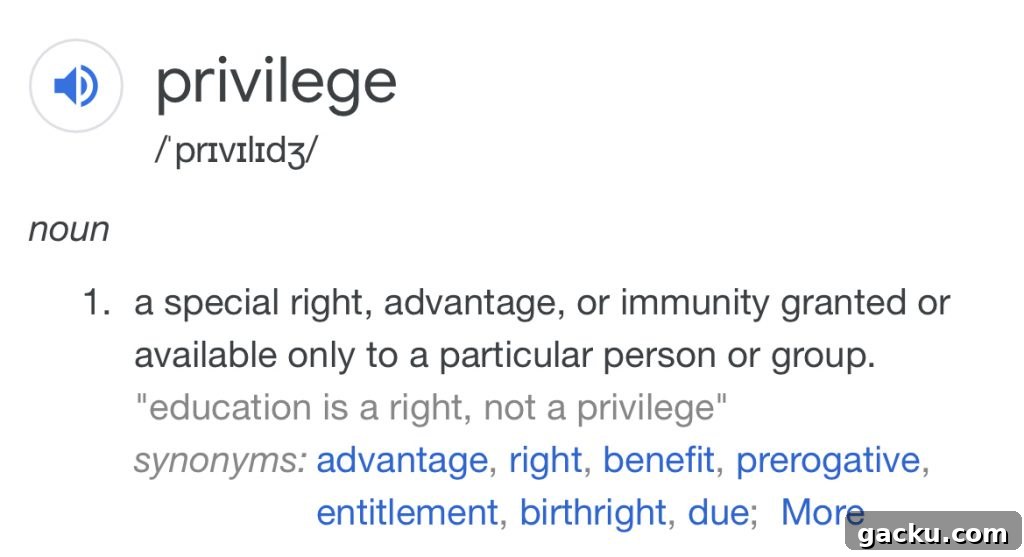
As I mentioned on my “about me” page, I like to bring conversation topics to the table alongside the vegan recipes and inspiration. While you enjoy the food ideas, I invite you to join the conversations between posts. Today I want to talk about privilege — a subject that can feel controversial but is important to understand. We’ll consider privilege in a broad sense and touch briefly on white privilege and heterosexual privilege. I’m starting here because I’ll likely refer to these ideas in future posts.
First, an important clarification: being privileged does not mean your life has been easy. It means that certain traits — the color of your skin, your sexual orientation, your gender, or other attributes — do not make life harder for you in the ways they do for others. If you recognize you hold some of the privileges discussed below, read with an open heart and mind. Progress requires honesty, empathy, and a willingness to see how systems and everyday life treat people differently.
My first encounter with privilege
Growing up, my father warned us that our skin color and last name might bring disadvantages. I learned about those realities early: at age four I experienced mental and physical abuse because of my skin color — a story I’ll save for another time. While I don’t benefit from white privilege, I also can’t claim to understand all the struggles faced by deeply melanated siblings. Colourism exists, and as a biracial, light-skinned, racially ambiguous cis man I do experience certain privileges.
Recognizing the privileges we hold compared with others is essential. If we want a world where people can live equally and with dignity, we must name those advantages and act on them. Often you don’t notice a privilege because you’ve never lived without it, which is why listening to others’ experiences matters. That’s why I wrote this post — to open dialogue and encourage reflection.
White privilege
White privilege often shows up in everyday, taken-for-granted ways: being taught your history in school, seeing yourself represented accurately in media, and not being racially profiled. It means you are less likely to receive unfair treatment based on skin color. People are less likely to react with surprise at your speech or question your competence based on appearance. It also means there is a cultural affirmation of your worth that many people of color do not receive.
White privilege does not deny the existence of poor white people or individual hardship. Rather, it points out that white people typically do not face the routine barriers, assumptions, and systemic disadvantages that Black people and other people of color encounter every day.
Heterosexual privilege
Heterosexual privilege operates in similar everyday ways. It includes consistent and accurate representation in media, the freedom to display affection openly without fear, and an absence of violence or rejection because of sexual orientation. It also often means being accepted by family and community without risk of abandonment or abuse.
The reality for many LGBTQ+ people is very different. In some countries, being non-heterosexual is criminalized — even punishable by death. In the United States and elsewhere, discrimination in employment and daily life persists. Transgender women, particularly Black trans women, face especially high risks of harassment, violence, and systemic neglect.
There are many forms of privilege beyond race and sexuality; we’ll explore more of them in future posts.
What we can do with our privileges
The first step is education. Read widely, listen to the voices of those with different experiences, and resist speaking over them. Learn from articles, podcasts, and first-person accounts instead of assuming you already understand. A few books that offer thoughtful perspectives are White Innocence: Paradoxes of Colonialism by Gloria Wekker and Why I’m No Longer Talking to White People About Race by Reni Eddo-Lodge. I plan to follow this piece with a post on how to be an ally and practical ways to use privilege to support equality.
Thank you for taking the time to read and reflect. If you’d like to continue this conversation, feel free to DM me on Instagram or leave a comment. I come from a place of love and a desire to build understanding.
One Love, Jason